

I am interested in the classical world.
Joined January 2025
- Tweets188
- Following33
- Followers4.9K
- Likes6.7K







Pinned Tweet
Dancing figures fresco, Pompeii, 1st century AD, National Archaeological Museum, Naples.


Gladiator mosaic, 3rd century AD, Roman Empire. Photo courtesy of the National Museum of Archaeology, Spain.

Res Classicae retweeted

Not my best photos, but this is what the Colosseum may have looked like today. How different!


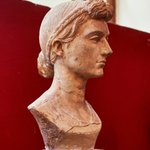
Portrait head of a woman (1st century AD) at the Archaeological Museum of Sparta. Photo by George E. Koronaios.


Res Classicae retweeted
Digging through my Vatican Museums pics and... wait, what? It's Pertinax 2.0!


Res Classicae retweeted
At first glance, it's hard to imagine the origin and use of this piece. It looks pre-Columbian and ceremonial. Far from it.
Made of diorite and dating to the 1st Egyptian Dynasty, c. 3100-2900 BC, this is a door socket excavated at an archaic temple in Hierakonpolis.
It’s on display at the Penn Museum, and the museum’s description reads: “This carved figure represents a captive on the ground with his arms bound behind him. A circular depression in the prisoner’s back held the post of a heavy wooden door that symbolically crushed Egypt’s enemies every time the door swung open.”
📸 by me.


Phrixus and Helle fleeing on the ram of the Golden Fleece, Roman fresco, 1st century AD. Photo courtesy of the Archaelogical Park of Pompeii.

My university textbook was actually quite good. I'd also recommend selected readings from primary sources.


Two books:
1. ‘The Romans - A 2,000 Year History’ by Edward J Watts which traces the history of the Roman state from the foundation of Rome until the 13th century
2. ‘Ancient Rome: Romulus to Justinian’ by Thomas R. Martin which covers the history of Rome but also touches the culture, social attitudes, and religion too.
Both books cover a lot of history and give you a great introduction to the topic.


