

Mickiewicz, Achaemenids, Arsacids, Sasanians, Napoleon III & Eugénie, anime, old/new Rome, Tolkien, old maps, Asa Mitaka | Art & history, comments on everything
Ctesiphon
Joined May 2015
- Tweets7.1K
- Following3.4K
- Followers2.4K
- Likes64.9K





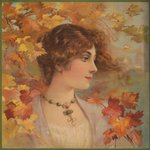


"Countess Mathieu de Noailles, Anna Elisabeth de Brancovan" (1913) by Ignacio Zuloaga (1870–1945). A really cool portrait.

"Two Studies of a Seated Girl Playing a Sitar" by Edward Burne-Jones (1833–1898). Two studies, one girl, one sitar.

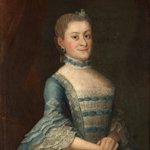
"Portrait of Karolina Radziwiłł" (1760s), anonymous Polish artist. Teresa Karolina Radziwiłł, née Rzewuska, was the daughter of Grand Crown Hetman Wacław Rzewuski and Anna Lubomirska. Married in 1764 to Karol Stanisław Radziwiłł, she was portrayed here during her first marriage. The painter seems to have made little effort to idealize her appearance, an unusually uncompromising approach to a woman of such high rank. The meticulous detail in her clothing and jewelry, however, leaves no doubt about her status.

6
122
"The Sultan's Favourite Women" by Antoine Victor Edmond Joinville (1801–1849). I've always been drawn to Orientalist paintings. The costumes, interiors and carefully staged scenes offer a fascinating glimpse into how 19th-century European artists imagined life in the East.

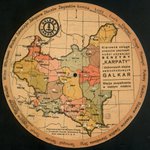
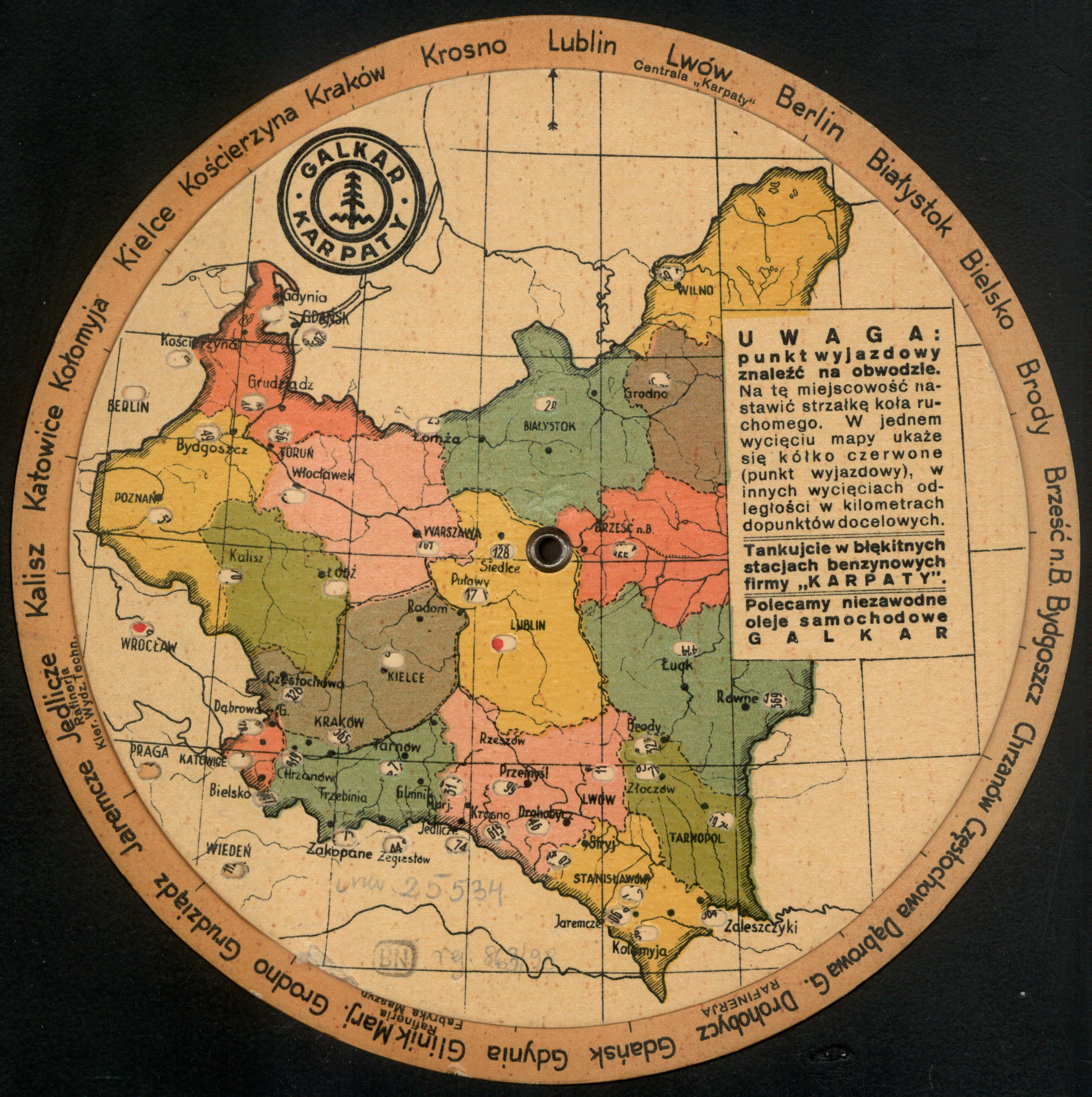
"Map of Distances Between Cities in Poland" (before 1939), published by the J. Koralewski Institute in Poznań. A practical little piece of pre-war Polish motoring ephemera: a circular, full-colour road map measuring just 19 cm in diameter, designed to show distances between cities across the country. The front included instructions on how to use it, while both sides carried advertisements.


"Warsaw" (1719–1726), published by Josef Friedrich Leopold (1668–1726). This 20 × 30 cm etching presents a view of Warsaw, with two putti holding cartouches containing explanatory legends in Latin and German. The title and accompanying text appear in both languages, reflecting the international readership of eighteenth-century prints. Published in Augsburg, the print bears the imperial privilege inscription "Cum Priv. Sacrae Caesar. Majest." and the plate number 5.

12
186
"Cracow" (1719), attributed to Allain Manesson-Mallet (1630–1706), published by Johann Adam Jung (1675–1737). A small copper-engraved panorama of Kraków, measuring just 13.7 × 9.6 cm. The view comes from the 1719 Frankfurt edition of Manesson-Mallet’s Description of the Entire World. The city is identified in both German and French, and the print carries the German heading "Die Stadt Cracau".


"The Abandoned Woman" (1872) by Hugues Merle (1823–1881). A title that leaves little room for a happy ending. One wonders who walked away and what happened before this moment.

6
153
"Glorification of the Holy Cross" (1616–1627) by Leonaert Bramer (1596–1674). I've always appreciated the atmosphere Bramer creates in his paintings, especially his use of light. This one is no exception.

6
135
"Allegory of Painting" (c. 1882) by Hans Makart (1840–1884). An allegory of painting, featuring the artist's own wife, Bertha, at the easel. How thoughtful of him to include his wife in an allegory of his profession.

1
8
131
"Gra planszowa z mapą Królestwa Polskiego oraz z przedstawieniami polskich zabytków", litografia barwna sprzed 1850 roku. Oryginał ze zbiorów Biblioteki Narodowej. Przyznam, że chętnie bym zagrał, ale niestety nie udało mi się znaleźć zasad.

5
92
"Estelle Gautier" by Ernest Hébert (1817–1908). Whoever she was, she gives off the unmistakable vibes of an unhappy wife who has just discovered something.

"Knight for the Drama Drink Your Blood" (1910) by Arthur-Joseph Gueniot (1866–1951). I have no idea what kind of drama this was meant to be, but the title certainly caught my attention. "Drink Your Blood" isn't exactly a title one comes across every day.

"Fidus Series – Twelve Illustrations, Plate 9" (1904) by Hugo Höppener (Fidus, 1868–1948). Fidus had little interest in ordinary reality. His world was full of idealised beauty, symbolism and mystical visions. I'm not entirely sure what's going on here, or how glue is involved in all of this, but I suppose that's part of the mystery.

1
7
342
"Tail-piece to Page 24 of Bell’s Edition of The Tempest" (1900) by Robert Anning Bell (1863–1933). Even a small decorative illustration can have its own atmosphere.

"Personification of Syria, Surrounded by Ten Scenes" (1578, anonymous work). Syria gets the royal treatment here: personified as a woman and surrounded by ten little windows onto the world around her. A 16th-century reminder that the Middle East has been at the crossroads of history, trade and ambition for centuries.

6
121
