

Tactical advisor | Personal account | | 體能技研
Taiwan
Joined February 2008
- Tweets3.6K
- Following444
- Followers3.8K
- Likes24.6K






5/) 整件事發展尚未結束,這些「認知」「框架」在 2026 年也成為社會深層理解多域威脅(multiple-domain threats)的理路。當初涉其事者,無論是在政府、企業、非營利組織等,也大多離開現職。
比較棘手的是,目前威脅態勢的應處亟需發展不同的 capability 和 capacity,而非精神動員。


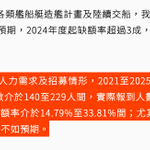
As of the end of June this year, Type 1 main combat forces with a manning-to-authorized ratio of less than 80% include:
Army: Infantry units, mechanized infantry units, special forces (including snipers), artillery units, armor units, anti-armor units, and garrison units.
Marine Corps: Infantry battalion, armor battalion, and artillery battalion companies, as well as garrison companies, transport vehicle companies, artillery vehicle companies, defense companies, and the Amphibious Reconnaissance and Surveillance Group and its subordinate units.
Navy: Missile companies, various fleet units, tactical reconnaissance groups, and the Maritime Surveillance and Reconnaissance Group (Hai Feng Brigade).
Air Force: Air defense and missile units.
Military Police: 202nd Command.
udn.com/news/story/10930/980…
