

ראש קבוצת המחקר 'תמרור- פוליטוגרפיה' לסכסוך הישראלי- ערבי- פלסטיני
ישראל
Joined March 2017
- Tweets2.2K
- Following293
- Followers4.4K
- Likes5.7K
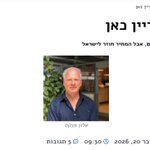


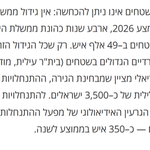



היום בכתבתו של יותם דשא בישראל היום- אי אפשר להמשיך ולהתעלם מהעובדות על הכישלון המהדהד של סמוטריץ' שעלו במחירים בלתי נסבלים למדינת ישראל


האתר החדש שלי בעברית ובאנגלית עלה לאוויר!
הספרים, האטלסים, המאמרים, המפות הנתונים ועוד. להורדה ללא כל תשלום!
shaularieli.com/

shaul Arieli שאול אריאלי retweeted

Tamrur – Politography – Where Reality Meets Facts
During the third quarter of 2026, Turkey's position toward Israel became more confrontational, extending beyond diplomatic criticism. According to a study by Dr. Hay Eytan Cohen Yanarocak, a strategic rivalry is developing between the two countries, with Turkey taking steps to restrict Israel's security and diplomatic room for maneuver while expanding its own regional influence.
Developments in Syria are among the clearest expressions of this shift. The August 18 strike on Abu al-Duhur airbase, amid Turkish plans to station forces and military systems there, demonstrated Israel's willingness to act to protect its freedom of aerial operations. Turkey condemned the strike but did not respond militarily. Thus, while the rivalry is intensifying, both countries still seek to avoid direct war.
The Israeli–Palestinian conflict has also become more central to Turkey's policy toward Israel. Among 289 sources examined in the report, researchers identified 120 instances categorized as delegitimization of Israel, 80 calls for sanctions, 67 appeals for international action against Israel, and 40 accusations of genocide.
By contrast, a two-state solution was mentioned only nine times, the establishment of a Palestinian state 11 times, and a return to negotiations 12 times. According to the study's analysis, the findings suggest greater emphasis on pressuring and isolating Israel and portraying it as a regional and international threat than on advancing a diplomatic settlement.
Other elements include Turkey's continuing focus on Jerusalem and the Temple Mount/Haram al-Sharif, trade restrictions, and ties with Hamas's leadership. Ankara describes its Hamas ties as a means of mediation; Israel regards them as providing support to a hostile organization.
Erdoğan and Fidan have at times distinguished between Netanyahu's government and the Israeli public. However, the report finds that these statements were not accompanied by policy changes during the period examined. Direct flights have not resumed, economic restrictions remain, and measures to pressure Israel have expanded.
According to the study, the relationship reflects a longer-term trend rather than a temporary crisis. It describes an emerging strategic rivalry and highlights the importance of deterrence, coordination channels, and diplomatic approaches to bilateral relations and the Palestinian issue. The report assesses that, without such an approach, Turkey may use the diplomatic vacuum to expand its regional and international influence.
More on our website – politography.org.il/
To participate – [email protected]
Tamrur – Politography – Where Reality Meets Facts
טורקיה כבר אינה רק מבקרת חריפה של ישראל. ממחקרו של דר' חי איתן כהן ינרוג'ק עולה כי ברבעון השלישי של 2026 היא התבססה כיריבה אסטרטגית פעילה, הפועלת לצמצום מרחב הפעולה הביטחוני והמדיני של ישראל ולהרחבת השפעתה באזור.
סוריה היא הביטוי החד ביותר לשינוי. תקיפת בסיס אבו א־דוהור ב־18 באוגוסט, על רקע כוונה טורקית להציב בו כוחות ומערכות צבאיות, המחישה כי ישראל מוכנה לפעול כדי למנוע פגיעה בחופש הפעולה האווירי שלה. טורקיה גינתה את התקיפה, אך נמנעה מתגובה צבאית. שתי המדינות מעמיקות אפוא את היריבות, אך עדיין מבקשות להימנע ממלחמה ישירה.
גם הסכסוך הישראלי־פלסטיני הפך מבחינת אנקרה ממושא להזדהות לזירת פעולה מרכזית נגד ישראל. מתוך 289 מקורות שנבדקו בדו״ח, נמצאו 120 מופעים של דה־לגיטימציה לישראל, 80 קריאות לסנקציות, 67 קריאות לקהילה הבינלאומית לפעול נגדה ו־40 האשמות ברצח עם.
מנגד, הקריאה לפתרון שתי המדינות הופיעה רק תשע פעמים, הקמת מדינה פלסטינית הוזכרה 11 פעמים והחזרה למשא ומתן 12 פעמים. הנתונים מלמדים כי מוקד המדיניות הטורקית עבר מקידום הסדר מדיני להפעלת לחץ על ישראל, לבידודה ולהצגתה כאיום אזורי ובינלאומי.
לכך מצטרפים העיסוק המתמשך בירושלים ובהר הבית, מגבלות הסחר והקשרים עם הנהגת חמאס. אנקרה מציגה את קשריה עם חמאס ככלי תיווך; ישראל רואה בהם מתן חסות לארגון עוין.
אמנם ארדואן ופידאן מנסים לעיתים להבחין בין ממשלת נתניהו לבין הציבור הישראלי, אך המסרים המתונים אינם מלווים בשינוי מדיניות. הטיסות הישירות לא חודשו, המגבלות הכלכליות נותרו והמאבק נגד ישראל התרחב.
היחסים אינם נתונים עוד במשבר חולף. ישראל וטורקיה נמצאות בתהליך של התגבשות יריבות אסטרטגית, המחייבת הרתעה, ערוצי תיאום ומענה מדיני רציני ליחסים הבילטרליים ולסוגיה הפלסטינית. אחרת, אנקרה תמשיך לנצל את הוואקום כדי להרחיב את כוחה האזורי והבינלאומי.


themarker.com/weekend/2026-1… הבלוף הגדול של סמוטריץ' ו
"פריחת ההתנחלויות" נחשף שוב ושוב


יום הבחירות עלול להיות יריית הפתיחה, לא סיומו של המאבק. בעבור מצביעי האופוזיציה, הבחירות הן האפשרות היחידה לחולל שינוי במסגרת כללי המשחק הדמוקרטיים. בעבור הקואליציה, הן שייכות לפרדיגמה שהיא פועלת כבר קדנציה שלמה למוטט. צד אחד עדיין נאחז בכללים הישנים, מבלי להפנים שהצד האחר זנח אותם מזמן ופועל להחרבתם. הקואליציה תשתתף בבחירות בתקווה לנצח ולקבל לכאורה מנדט נוסף להמשך פירוק הדמוקרטיה; אך יש לחשוש שהיא נערכת גם לאפשרות של הפסד — ולניסיון לבטלו בכוח.
haaretz.co.il/opinions/2026-…

jokopost.com/thoughts/57794/ מחיר המדיניות הכושלת, המתריסה והמנותקת

המלחמה באיראן דחקה את הפלסטינים מסדר היום האמריקאי, אבל היא לא פתרה את הסכסוך. היא רק חשפה את עומק הכשל האמריקאי ואת המחיר שישראל תשלם עליו.
לפי דו״ח תמרור לרבעון השלישי של 2026, של דר׳ רז צימט, המלחמה לא השיגה אף אחת ממטרותיה המרכזיות: המשטר האיראני לא הופל, לא התחוללה התקוממות עממית, תשתיות הגרעין ומלאי האורניום המועשר לא הושמדו, ויכולות הטילים הבליסטיים לא חוסלו. איראן הפכה את מיצר הורמוז למנוף אסטרטגי ויצאה מן המערכה חזקה יותר; ארצות הברית יצאה חלשה ופחות אמינה.
גם ישראל לא התחזקה. היא הודרה מן המשא ומתן על מזכר ההבנות, ובארצות הברית גוברת הטענה שנתניהו גרר את טראמפ למלחמה מיותרת שהתבססה על הערכות שגויות. השאלה אם ישראל היא נכס אסטרטגי או נטל כבר נשמעת בתקשורת, בקונגרס, בקרב דמוקרטים וגם בחלקים מתנועת MAGA.
בינתיים, הסוגיה הפלסטינית כמעט נעלמה. ברבעון השלישי נרשמו אפס אזכורים לפתרון שתי המדינות מצד הבית הלבן, מחלקת המדינה והקונגרס; אפס אזכורים למשילות הרשות הפלסטינית; ואפס ביקורת או איומים כלפי חמאס. מתוך 1,150 פרסומים שנבדקו ברשתות החברתיות, ישראל הוזכרה בשמה רק פעמיים. אף פרסום לא עסק בתהליך מדיני עתידי.
ממשלת ישראל יכולה לראות בהיעדר הלחץ האמריקאי הישג. זו טעות. כאשר ארצות הברית מאבדת יוקרה, אמינות והשפעה, ישראל מאבדת את מכפיל הכוח החשוב ביותר שלה. התלות הישראלית בוושינגטון גוברת דווקא כאשר כוחה של וושינגטון נשחק.
דחיקת הסוגיה הפלסטינית אינה פתרונה. ארצות הברית אולי איבדה עניין, אך המציאות לא נעלמה: ישראל נותרת עם בידוד מתרחב, בעלת ברית חלשה יותר וסכסוך שהיא מסרבת לפתור. זהו אינו מאזן של ניצחון, אלא תמרור אזהרה מפני המשך מדיניות המחלישה את ישראל ומרחיקה אפשרות להסדר מדיני.

חמש זירות בהן הממשלה שוחקת את אחרוני המילואימניקים ללא תכלית מדינית ריאלית jokopost.com/security/57841/


Under the Oslo Accords, Israel transferred parts of the West Bank to the responsibility of the Palestinian Authority—Areas A and B. It also committed to transferring Area C to the PA, with the exception of issues reserved for permanent-status negotiations: settlements, Jerusalem, and military sites. However, the transfer process was halted in 1999, leaving Areas A and B at only 38% of the West Bank.
For nearly 30 years, Israel has pursued a policy that runs directly counter to the spirit of the agreements: it has continued to build and expand settlements while almost entirely denying Palestinians the ability to build in Area C. This is despite the fact that 52% of the area is privately owned by Palestinians and that, under international law, Israel is required to allocate state land for the needs of the occupied population—not reserve it almost exclusively for the settlement enterprise.
The result was entirely predictable: Palestinian construction has spilled over from Areas A and B into Area C, covering 110 square kilometers—the areas marked in dark green on the map. This amounts to approximately 2% of the West Bank and exceeds the total built-up area of all Israeli settlements, including outposts and agricultural farms. More than 300,000 Palestinians currently live in these built-up areas.
In addition, there are 25 square kilometers of Palestinian built-up land located entirely within Area C, where nearly 100,000 Palestinians live.
Israel defines all this construction as illegal. But this is not ordinary planning delinquency; it is a cycle created by Israel itself. Israel retains full planning and construction authority, refuses to approve Palestinian development on a scale that meets the population’s needs, and then issues demolition orders against those forced to build without permits. Many of these homes are subject to demolition orders, which are carried out at an average rate of approximately 1000 homes per year, while the total number of such homes exceeds 80,000.
