

Tebtebba is a global indigenous peoples’ organization working for the respect, protection and fulfillment of indigenous peoples' rights and development.
Joined September 2011
- Tweets3.5K
- Following2.2K
- Followers3.9K
- Likes652



📢Join us at our side event at the ASEAN Civil Society Conference / ASEAN People’s Forum (ACSC/APF) in Quezon City!
"Indigenous Peoples at the Centre; People-led Solutions to Multiple Crises"
Across the ASEAN region, Indigenous Peoples continue to advance innovative, community-driven solutions to climate change, biodiversity loss, and resource stewardship. Yet, these vital efforts remain under-recognized and under-resourced.
As ASEAN addresses these interconnected crises, this session explores pathways toward equitable, rights-based futures by centering Indigenous leadership, building multi-stakeholder partnerships, and showcasing community-driven solutions.
📅Date/Time: 28 October | 10:30 AM – 12:00 Noon
📌 Location: BR4 | Meeting, Conferences, and Exhibitions (MICE), Quezon City
RSVP here! forms.gle/vTFZWC3S8WfKM6Ew8
#WeAreIndigenous

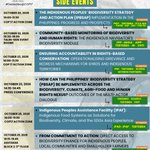
Join us at the COP17 Side Events!
Tebtebba, together with its co-organizers, will host a series of side events at the 17th meeting of the Conference of the Parties (COP17) to the Convention on Biological Diversity (CBD), highlighting Indigenous Peoples’ vital role in biodiversity conservation, climate action, and rights-based approaches to conservation.
We look forward to meaningful discussions and exchanges that amplify Indigenous Peoples’ knowledge, rights, and contributions to a more just and sustainable future.
See you there!
#WeAreIndigenous #COP17 #Biodiversity #IPBSAP #IPAF #IndigenousFoodSystems #Tebtebba@COP17

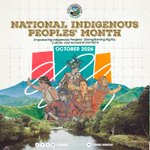
National Indigenous Peoples Month 2026
This October, we celebrate the strength, resilience, and continuing contributions of Indigenous Peoples under the theme, “Empowering Indigenous Peoples: Strengthening Rights, Culture, and Ancestral Domains.”
Empowerment begins with recognizing and upholding Indigenous Peoples’ rights, protecting their cultures and traditional knowledge, and securing their ancestral domains and territories. It means ensuring that Indigenous Peoples have the power to shape decisions that affect their communities, lands, resources, and futures.
As we celebrate National Indigenous Peoples Month, let us stand together in advancing Indigenous Peoples’ rights, self-determination, cultural integrity, and collective well-being. Our rights. Our cultures. Our territories. Our future.
#WeAreIndigenous #NationalIndigenousPeoplesMonth #NIPM2026 #IndigenousPeoples #IndigenousPeoplesRights #IPRA

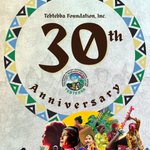
𝐈𝐧 𝐢𝐭𝐬 30𝐭𝐡 𝐲𝐞𝐚𝐫 𝐚𝐧𝐧𝐢𝐯𝐞𝐫𝐬𝐚𝐫𝐲, 𝐓𝐞𝐛𝐭𝐞𝐛𝐛𝐚 𝐫𝐞𝐦𝐚𝐢𝐧𝐬 𝐬𝐭𝐞𝐚𝐝𝐟𝐚𝐬𝐭 𝐢𝐧 𝐢𝐭𝐬 𝐯𝐢𝐬𝐢𝐨𝐧 𝐭𝐨 𝐬𝐞𝐞 𝐚 𝐰𝐨𝐫𝐥𝐝 𝐰𝐡𝐞𝐫𝐞 𝐈𝐧𝐝𝐢𝐠𝐞𝐧𝐨𝐮𝐬 𝐏𝐞𝐨𝐩𝐥𝐞𝐬’ 𝐫𝐢𝐠𝐡𝐭𝐬 𝐚𝐫𝐞 𝐫𝐞𝐬𝐩𝐞𝐜𝐭𝐞𝐝, 𝐩𝐫𝐨𝐭𝐞𝐜𝐭𝐞𝐝 𝐚𝐧𝐝 𝐟𝐮𝐥𝐟𝐢𝐥𝐥𝐞𝐝.
#WeAreIndigenous
#Tebtebba@30

𝐔𝐧-𝐏𝐀𝐗 𝐭𝐡𝐞 𝐓𝐑𝐔𝐓𝐇
On August 16, 2026, Indigenous Peoples and civil society organizations joined Tarlac residents in Sitio Malasa, Barangay Anupul, to un-pax the truth behind the proposed 1,620-hectare Pax Silica semiconductor project. Despite the project's name taking inspiration from the Latin word for peace, Indigenous Aeta families face the harsh reality of imminent land loss, displacement, and the destruction of their traditional way of life.
Seven (7) sitios in five (5) barangays have been identified as potentially affected by, or reported to overlap with, the proposed Pax Silica Economic Security Zone. Based on the Philippine Statistics Authority 2024 Population Census, these five barangays have a combined population of 65,682. According to Kalikasan National Coordinator Cathleen De Guzman, around 20,000 Indigenous Aetas and local farmers face displacement if the project continues (GMA News Online, 2026).
Indigenous community leaders report that they have not consented to the project. (It lacks proper Free, Prior, and Informed Consent (FPIC)). Residents state they received sudden eviction notices without fair compensation or clear relocation plans, as they recounted daily harassment by the Bases Conversion and Development Authority (BCDA), pressuring them to leave.
The contested land is the main source of food and income for Aeta families, Indigenous Peoples in the area, who grow rice, corn, and vegetables, and raise livestock. For the Aetas, losing the land is a threat to their very survival.
Un-pax the truth and stand in solidarity with the Aeta communities of Tarlac!
We join the affected communities in their demand for the respect of their right to Free, Prior, and Informed Consent (FPIC), as enshrined in the United Nations Declaration on the Rights of Indigenous Peoples (UNDRIP) and the Indigenous Peoples’ Rights Act of 1997 (IPRA).
Stop forced displacement of Indigenous Peoples in the name of development!
View the full carousel here: facebook.com/tebtebbapage/
#WeAreIndigenous

International Day of the World’s Indigenous Women and Girls | September 5, 2026
Indigenous Peoples, and especially Indigenous women, have always been at the forefront of movements to defend rights, lands, and cultures. This year marks the first official commemoration of the International Day of the World’s Indigenous Women and Girls, by virtue of the resolution (A/RES/80/10) adopted by the United Nations, recognizing their historic leadership and advancing global commitment to their rights.
Indigenous women and girls continue to serve as leaders, knowledge‑bearers, and agents of change. Yet they face intersectional discrimination — not only for being women and Indigenous, but also due to poverty, age, language, and geographic isolation. These overlapping barriers disproportionately impact them. Despite these challenges, they thrive as stewards of lands, territories, and resources, and remain the backbone of their communities.
In this celebration, Tebtebba Foundation supports the campaign of the International Indigenous Women’s Forum (FIMI), Indigenous Women Have Always Led: Driving Global Commitment.
Yes, Indigenous women have always led. Today, we call on governments, institutions, and civil society organizations to recognize, support, and invest in Indigenous women and girls’ rights. This is essential to building resilient communities and a sustainable planet.
This commemoration is not only symbolic but also a call to action: to fully and effectively implement CEDAW General Recommendation No. 39 on the rights of Indigenous women and girls, particularly by:
· Recognizing Indigenous women’s historic leadership.
· Supporting their ongoing struggles and contributions.
· Investing in Indigenous women and girls’ rights for a more resilient and sustainable future.
#WeAreIndigenous #InternationalIndigenousWomensDay #IndigenousWomenLead #IndigenousWomen

On August 14, 2026, a roundtable on Free, Prior, and Informed Consent (FPIC) and critical mineral mining was held at the Commission on Human Rights (CHR) in Quezon City. The event coincided with the academic visit of Dr. Pichamon Yeophantong of the UN Working Group on Business and Human Rights (UN WGBHR), following the release of the WGBHR's new guidance report on Indigenous Peoples' right to FPIC in business activities.
The roundtable discussion came at a crucial time, as Indigenous communities in the Philippines face increasing pressure from mining and renewable energy sectors. The Working Group stressed that poor FPIC implementation has fueled persistent human rights violations and disputes. Indigenous Peoples' representatives from mining-affected communities and civil society organizations gathered to share experiences, identify gaps, and find ways to use the UN report to hold States and businesses accountable.
The roundtable was co-organized by Indigenous Peoples Rights International, the Coalition for Human Rights in Development, Tebtebba Foundation, the Right Energy Partnership with Indigenous Peoples, the UP Institute of Human Rights, and the Legal Rights and Natural Resources Center.
The visit was made possible by an Australian Research Council (ARC) grant, which also supports Dr. Yeophantong’s work leading the Environmental Justice and Human Rights Project and the Responsible Business Lab.
#WeAreIndigenous


On this International Day of the World’s Indigenous Peoples (#IDWIP), we spotlight the contributions of Indigenous midwives and reaffirm the value of Indigenous knowledge in advancing culturally appropriate care. Let us not only celebrate Indigenous midwives but also demand recognition of their practices and knowledge systems. Their wisdom must be valued, protected, and integrated into health policies to ensure that no one is left behind.
As we call for the full, meaningful, and effective implementation of CEDAW GR No. 39, we particularly highlight the recommendation to State Parties: “Ensure the recognition of Indigenous health systems, ancestral knowledge, practices, sciences and technologies, and prevent and sanction the criminalization thereof.”
Stand with Indigenous midwives. Advocate and demand for their recognition. Let’s honour Indigenous midwives as knowledge holders, caregivers, and protectors of life. #WeAreIndigenous #IndigenousPeoples #WorldsIndigenousPeoplesDay #RecognizeIndigenousMidwives #NoOneLeftBehind

During #HLPF2026 at the UN Headquarters in New York, the Indigenous Peoples Major Group for Sustainable Development (IPMG) pushed for real action on the 2030 Agenda. From customary water governance to community-led energy initiatives, Indigenous Peoples-led solutions are essential to achieving SDGs 6, 7, 9, 11, and 17.
To build a truly equitable future, world leaders must move beyond exclusion and commit to:
• Enforce FPIC: Guarantee Free, Prior, and Informed Consent before approving any energy, infrastructure, or water projects on Indigenous Peoples' lands.
• Direct Financing: Channel climate and development funds directly to Indigenous Peoples-led funds and communities.
• Protect Rights & Governance: Recognize customary water systems, land rights, and Indigenous Knowledge Systems and Practices (IKSP) at all levels of planning.
• Support Community Solutions: Invest in Indigenous Peoples' clean energy initiatives, sustainable community-led enterprises, and traditional governance.
The 2030 Agenda cannot be achieved without centering Indigenous Peoples' rights, self-determination, and meaningful engagement.
To read IPMG's position papers and publications, please visit: indigenouspeoples-sdg.org/in…
#WeAreIndigenous

Tebtebba joined #IndigenousPeoples, #farmers, #fisherfolks, and fellow #CivilSocietyOrganizations at University of the Philippines-Diliman for the workshop on the Philippine National Action Plan on Business and Human Rights.
Organized by residential Human Rights Committee Secretariat (PHRCS), National Commission on Indigenous Peoples (NCIP), Land Justice Initiative, and University of the Philippines Institute of Human Rights (UP-IHR), this workshop is a crucial step in shaping a national policy that holds businesses accountable to respect human rights and states to protect Indigenous Peoples as enshrined in the United Nations Guiding Principles on Business and Human Rights.
Key priorities for the NAP-BHR include:
- Protecting Ancestral Domains: Ensuring land rights, cultural identity, and self-determination are safeguarded against adverse business impacts.
- Strengthening FPIC: Reinforcing the integrity of the Free, Prior, and Informed Consent and its genuine implementation.
- Corporate Accountability: Making sure businesses respect the rights of Indigenous Peoples.
- State Accountability: Enforce the state's duty to protect the rights of Indigenous Peoples.
#WeAreIndigenous


Watch | Grace Balawag of Tebtebba Foundation, delivered a joint statement on the Board Work Plan during the 9th Meeting of the Board of the Fund Responding to Loss and Damage (#FRLD) on July 8, 2026, at the Asian Development Bank Headquarters in Mandaluyong City, Philippines.
She urged the Board to prioritize the development of Fund-specific Gender and Indigenous Peoples policies while ensuring that these processes do not delay resource mobilization or developing countries' access to the Fund.
To read or download the full statement, click the link:
bit.ly/4eRvzc3
#WeAreIndigenous
#HLPF2026 | How Do We Put Peoples First? VNR, FfD, and Data
Thank you to everyone who joined the discussion on putting communities at the forefront of SDG implementation, monitoring, and financing!
The side event explored how to protect Indigenous rights, elevate grassroots evidence in VNRs, address Island States' vulnerabilities, and frame development financing as a fundamental human rights duty. This served as a powerful reminder that true progress requires centering the lived experiences of those most affected by inequality.
Keynote Address:
Juliet Nicole Braslow (UN ESCAP)
Panelists:
Robie Halip, Executive Director, Right Energy Partnership with Indigenous Peoples - REP
Huey Lee, Buddhist Tzu Chi Foundation
Tebeio Tamtom, BIMBA, Kiribati
Sille Stidsen, Department Director of Human Rights and Sustainable Development, Danish Institute for Human Rights
Message:
Stefan Schröer, Human Rights and Social Affairs, European Union Delegation to the United Nations in New York
Thank you as well to the co-organizers: Indigenous Peoples Major Group for the SDGs (IPMG), Government of Canada, Tebtebba (Indigenous Peoples International Centre for Policy Research and Education), Buddhist Tzu Chi Foundation, Indigenous Navigator Consortium, Danish Institute for Human Rights (DIHR), International Indian Treaty Council (IITC), and Asia Pacific Regional Civil Society Engagement Mechanism (APRCEM).
#WeAreIndigenous #SDGs #LeaveNoOneBehind #IndigenousPeoples


Grace Balawag of Tebtebba Foundation, Inc. representing the Indigenous Peoples’ Organizations (IPO) constituency, delivered a joint statement — coordinated among the ENGO (Environmental Non‑Governmental Organizations), Women & Gender, YOUNGO (Children and Youth Non‑Governmental Organizations) and IPO constituencies — on the Board Work Plan on July 8, 2026, during the ongoing Fund Responding to Loss and Damage (#FRLD) 9th Board Meeting, July 8–10, at the Asian Development Bank Headquarters in Mandaluyong City, Philippines.
“𝙒𝙚 𝙩𝙝𝙚𝙧𝙚𝙛𝙤𝙧𝙚 𝙘𝙖𝙡𝙡 𝙛𝙤𝙧 𝙩𝙝𝙚 𝘽𝙤𝙖𝙧𝙙 𝙩𝙤 𝙥𝙪𝙩 𝙬𝙤𝙧𝙠 𝙤𝙣 𝙖 𝙁𝙪𝙣𝙙‑𝙨𝙥𝙚𝙘𝙞𝙛𝙞𝙘 𝙂𝙚𝙣𝙙𝙚𝙧 𝙖𝙣𝙙 𝙄𝙣𝙙𝙞𝙜𝙚𝙣𝙤𝙪𝙨 𝙋𝙚𝙤𝙥𝙡𝙚𝙨 𝙥𝙤𝙡𝙞𝙘𝙞𝙚𝙨 𝙤𝙣 𝙞𝙩𝙨 𝙬𝙤𝙧𝙠𝙥𝙡𝙖𝙣 𝙖𝙨 𝙨𝙤𝙤𝙣 𝙖𝙨 𝙥𝙤𝙨𝙨𝙞𝙗𝙡𝙚, 𝙛𝙤𝙧 𝙚𝙭𝙖𝙢𝙥𝙡𝙚 𝙗𝙮 𝙩𝙖𝙨𝙠𝙞𝙣𝙜 𝙩𝙝𝙚 𝙎𝙚𝙘𝙧𝙚𝙩𝙖𝙧𝙞𝙖𝙩 𝙬𝙞𝙩𝙝 𝙖 𝙗𝙚𝙣𝙘𝙝𝙢𝙖𝙧𝙠𝙞𝙣𝙜 𝙨𝙩𝙪𝙙𝙮 𝙖𝙨 𝙬𝙚𝙡𝙡 𝙖𝙨 𝙖 𝙡𝙚𝙜𝙖𝙡 𝙖𝙣𝙖𝙡𝙮𝙨𝙞𝙨 𝙤𝙣 𝙩𝙝𝙚 𝙜𝙖𝙥𝙨, 𝙖𝙣𝙙 𝙖𝙣 𝙖𝙨𝙨𝙚𝙨𝙨𝙢𝙚𝙣𝙩 𝙤𝙛 𝙬𝙝𝙖𝙩 𝙩𝙝𝙞𝙨 𝙬𝙤𝙪𝙡𝙙 𝙚𝙣𝙩𝙖𝙞𝙡 𝙛𝙤𝙧 𝙩𝙝𝙚 𝙁𝙪𝙣𝙙’𝙨 𝙡𝙤𝙣𝙜‑𝙩𝙚𝙧𝙢 𝙤𝙥𝙚𝙧𝙖𝙩𝙞𝙤𝙣. 𝙒𝙚 𝙖𝙡𝙨𝙤 𝙧𝙚𝙢𝙞𝙣𝙙, 𝙝𝙤𝙬𝙚𝙫𝙚𝙧, 𝙩𝙝𝙖𝙩 𝙙𝙚𝙡𝙞𝙗𝙚𝙧𝙖𝙩𝙞𝙤𝙣𝙨 𝙤𝙣 𝙩𝙝𝙚 𝙂𝙚𝙣𝙙𝙚𝙧 𝙖𝙣𝙙 𝙄𝙣𝙙𝙞𝙜𝙚𝙣𝙤𝙪𝙨 𝙋𝙚𝙤𝙥𝙡𝙚𝙨 𝙥𝙤𝙡𝙞𝙘𝙞𝙚𝙨 𝙨𝙝𝙤𝙪𝙡𝙙 𝙣𝙤𝙩 𝙞𝙢𝙥𝙚𝙙𝙚 𝙧𝙚𝙨𝙤𝙪𝙧𝙘𝙚 𝙢𝙤𝙗𝙞𝙡𝙞𝙯𝙖𝙩𝙞𝙤𝙣 𝙖𝙣𝙙 𝙧𝙚𝙥𝙡𝙚𝙣𝙞𝙨𝙝𝙢𝙚𝙣𝙩 𝙥𝙧𝙤𝙘𝙚𝙨𝙨𝙚𝙨 𝙖𝙣𝙙 𝙨𝙝𝙤𝙪𝙡𝙙 𝙣𝙤𝙩 𝙝𝙖𝙢𝙥𝙚𝙧 𝙖𝙘𝙘𝙚𝙨𝙨 𝙩𝙤 𝙩𝙝𝙚 𝙁𝙪𝙣𝙙 𝙛𝙤𝙧 𝙖𝙡𝙡 𝙙𝙚𝙫𝙚𝙡𝙤𝙥𝙞𝙣𝙜 𝙘𝙤𝙪𝙣𝙩𝙧𝙞𝙚𝙨.”
The FRLD is a new global climate fund created to provide grant‑based support for communities experiencing “loss and damage” from climate change — impacts that go beyond adaptation and mitigation. The 9th meeting marks a transition from planning to delivery, testing whether the fund can meet urgent needs of vulnerable nations.
To read or download the full statement, click the link: bit.ly/4eRvzc3
#WeAreIndgenous #LossandDamage #ClimateFinance #AccesstoClimateFinance


#HLPF2026 | Tebtebba is joining this year’s United Nations High-Level Political Forum on Sustainable Development (HLPF), taking place from 7–15 July in New York under ECOSOC. The forum will review progress on the 2030 Agenda under the theme, “Transformative, equitable, innovative and coordinated actions for the 2030 Agenda.”
This year’s focus on SDGs 6, 7, 9, 11, and 17, alongside Financing for Development (FFD), provides a critical opportunity to highlight both the persistent exclusion of Indigenous Peoples and the transformative potential of Indigenous-led solutions.
Check out some of our schedule of engagements below.
#WeAreIndigenous

#HLPF2026 | Join us at our side event for the 2026 High-Level Political Forum on Sustainable Development.
How Do We Put Peoples First? VNR, FfD, and Data
📆 July 10, 2026
🕖 3:30 – 5:00 PM (New York Time)
📍 Conference Room A, UN Headquarters, New York
Despite the 2030 Agenda’s promise to "leave no one behind," marginalized communities, including Indigenous Peoples, women, youth, and persons with disabilities, continue to face systemic barriers to development resources. With SDG targets severely off track, current Voluntary National Reviews (VNRs) and Financing for Development (FfD) flows often mask local disparities and disconnect from the lived realities of those most vulnerable to inequality and climate change.
This dynamic side event tackles a central challenge: How do we put peoples first in financing, reporting, and accountability for sustainable development?
Join us for an important discussion on moving beyond top-down metrics to embed human rights obligations, grassroots evidence, and inclusive financing into the core of SDG implementation.
Co-organized by: Indigenous Peoples Major Group for the SDGs (IPMG), Government of Canada, Tebtebba Foundation, Inc. (Indigenous Peoples International Centre for Policy Research and Education), Buddhist Tzu Chi Foundation, Indigenous Navigator Consortium, Danish Institute for Human Rights (DIHR), International Indian Treaty Council (IITC), and Asia Pacific Regional Civil Society Engagement Mechanism
See you there!
#WeAreIndigenous

#LOOK | In a recent gathering, Tebtebba Foundation, Inc. officially turned over the sugarcane presser machine to the Inapinan Farmers Organization, Inc. (IFOI) on 12 June 2026 at the Muscovado Processing center in #Licoy, Poblacion, Paracelis, Mountain Province, Philippines as part of Tebtebba's continuing Community Strengthening efforts in collaboration with the Ganak da Ilikoy.
Fidel Salipan, IFOI President, thanked Tebtebba for the continued assistance. He encouraged all IFOI members to plant more sugarcane and make full and proper use of the new equipment. He called on members to work together, support one another and remain committed to the goals of the organization to ensure a brighter and more sustainable future for the IFOI and the whole Ganak da Ilikoy community.
#WeAreIndigenous #communitystrengthening #livelihood


#Elatia at SB 64
Elatia partners from Centro de Culturas Indígenas el Perú (CHIRAPAQ), Centro para la Autonomía y Desarrollo de los Pueblos Indígenas (Cadpi Nicaragua), Conselho Indigena de Roraima (CIR), Mainyoito Pastoralist Integrated Development Organization (MPIDO) and Tebtebba are currently following negotiations in the ongoing United Nations Framework Convention on Climate Change (UNFCCC) Bonn Climate conference through the Indigenous Peoples' caucus.
The meeting, which started with the Facilitative Working Group session of the Local Communities and #IndigenousPeoples Platform (LCIPP) on June 2, will run until June 18. The Subsidiary Bodies (SB)—the Subsidiary Body for Implementation (SBI) and the Subsidiary Body for Scientific and Technological Advice (SBSTA)—are annual sessions held in Bonn, Germany, where governments and observers discuss, negotiate, and make decisions on climate change. SB 64 refers to the 64th sessions of both SBI and SBSTA, which will feed into the upcoming COP 31 in Antalya, Türkiye later this year.
#WeAreIndigenous


World Oceans Day | 8 June 2026
Reimagine: Beyond the World We Know, A New Relationship With Our Ocean
Indigenous Peoples have always been close to nature—forests, mountains, and oceans. They have long served as stewards and guardians of these ecosystems, contributing to the overall health of Mother Earth, not merely as beneficiaries.
For Indigenous communities, oceans, seas, and rivers are not distant bodies of water; they interact together. These waters provide shelter, livelihood, and social and cultural spaces.
In the Philippines, like many other Indigenous coastal communities, the Tagbanua Indigenous Peoples demonstrate through their knowledge systems how ancestral governance and management sustain marine ecosystems.
This #WorldOceansDay, let us strengthen and reimagine our relationship with the oceans. Let us protect them. Let us be their guardians.
#WeAreIndigenous
