

Performance Nutritionist • Consultant to Olympians, World Champions and Teams • Subscribe to my free daily research digest https://xitter.cf/t.co/kPsQssm5ut
Edinburgh, Scotland
Joined September 2010
- Tweets3.8K
- Following528
- Followers4.6K
- Likes7.3K





No single diet is best for weight loss ⚖️
This 2026 ISSN position stand reviewed major dietary approaches for reducing body weight and fat mass in healthy, active and athletic adults 🔍
Here are the key findings ⬇️
🔥 A sustained energy deficit is the primary requirement for weight loss, with the size of the deficit matched to goals, body composition and lean-mass preservation
⚠️ Very-low-energy (<800 kcal/day) and low-energy diets (800–1200 kcal/day) produce faster short-term loss, but offer no clear long-term advantage and increase the risk of lean-mass and nutrient loss
⏱️ Intermittent fasting is not inherently superior to continuous calorie restriction when energy intake is comparable
🍽️ Meal frequency has little independent effect on fat loss, although ≥3 protein-rich meals/day may help preserve lean mass in active people
🏋️ Resistance training + sufficient protein are central to protecting lean mass during a calorie deficit
🥩 Protein targets are ~1.2–1.6 g/kg/day for the general population, 1.6–2.2 g/kg/day with resistance training, and potentially 1.9–3.2 g/kg/day in lean, resistance-trained people dieting
🥑 The carb-to-fat ratio can largely be individualized: low-fat, low-carb and ketogenic diets can all reduce weight when calories and protein are controlled
🥓 Ketogenic diets may reduce weight and fat effectively, but can also produce greater fat-free-mass losses, particularly in shorter studies
📉 Weight loss can reduce energy expenditure and increase hunger, but adaptive thermogenesis is usually modest and may diminish once weight stabilizes
📊 Plateaus are normal and may reflect a new energy equilibrium, reduced adherence, short-term fluctuations or body recomposition
For athletes and active people, effective fat loss is less about finding a “best diet” and more about creating a sustainable deficit while preserving training quality, protein intake, lean mass and long-term adherence ✅
Reference:
tandfonline.com/doi/full/10.…
Subscribe to performancenutritiondigest.c… FREE to receive your daily study breakdown, straight to your inbox or via the Substack app 📥
Powered by healthspanelite.co.uk⚡️

Sports nutrition guidelines are not just for elite athletes 🏃
This 2026 PINES “10 Questions/10 Experts” session examined how sports-nutrition guidance translates from elite to recreational athletes 🔍
Here are the 10 QnA summaries ⬇️
1️⃣ Guidelines based mainly on elite athletes? No. Most evidence comes from recreationally active or trained athletes, not world-class performers.
2️⃣ Same marathon carbohydrate targets? No. Recreational runners generally need less CHO/h, although total race intake may be similar because they run for longer.
3️⃣ Must recreational athletes hit 1.6 g/kg/day protein? No. It is a useful target, not a minimum needed to benefit from training.
4️⃣ Does nitrate work equally well? No. Response varies with training status, oral microbiome and systemic nitrite; highly trained athletes may respond less.
5️⃣ Does everyone need a hydration plan? No. Many manage adequately without one, but athletes prone to large fluid losses or overdrinking may benefit from individualised plans.
6️⃣ Is sodium bicarbonate only for elite athletes? No. Recreational athletes may also benefit, although performance effects and GI tolerance vary.
7️⃣ Do athletes need more micronutrients than the RDA? Not automatically. A nutrient-dense diet often meets needs; supplement based on assessed status.
8️⃣ Is eating after 8 p.m. harmful? No. Evening athletes may need late nutrition to restore glycogen, meet energy needs and support recovery.
9️⃣ Are recreational athletes at greater risk of low vitamin D? Not inherently. Sun exposure, season, latitude, skin pigmentation and body composition matter more.
🔟 Should recreational athletes train with low CHO availability? Generally no. It may amplify molecular signals but increases effort, reduces training intensity and has not consistently improved performance.
Strategies should match training and competition demands, goals, tolerance and practicality rather than simply copying elite sport ✅
Reference:
journals.humankinetics.com/v…
Subscribe to performancenutritiondigest.c… FREE to receive your daily study breakdown, straight to your inbox or via the Substack app 📥
Powered by healthspanelite.co.uk⚡️

Plant protein complementation is not an effective strategy for muscle protein synthesis 🌱
This new study compared beans + rice, carbohydrate alone and lean pork for post-exercise myofibrillar protein synthesis (MPS) in 26 physically active adults 🔍
Participants completed an acute resistance-training session before consuming one of three meals 🏋️
🌱 The complementary plant-protein meal provided 20 g protein, including 7.5 g essential amino acids and 1.6 g leucine, from beans and rice
🥩 The pork meal also provided 20 g protein, with 8.1 g EAAs and 1.5 g leucine
🥤 The carbohydrate condition provided 0 g protein
Results 📊
📈 Over the 5-h recovery period, MPS reached 0.103%/h with pork, compared with 0.056%/h with beans + rice
⬆️ Pork therefore produced an approximately 82% greater MPS response than the complementary plant-protein meal
↔️ Surprisingly, MPS after beans + rice was not different from carbohydrate alone (0.056 vs 0.057%/h)
🧬 This occurred despite the plant meal providing a similar total protein, EAA and leucine content to the pork meal
The findings therefore suggest that simply combining complementary plant proteins to improve amino-acid balance does not necessarily produce an equivalent anabolic response 💡
However, this was an acute study measuring MPS for only 5 h, so the results cannot establish differences in long-term muscle growth or training adaptation ⚠️
The plant meal also contained substantially more energy and carbohydrate than the pork meal 🧐
Matching protein, leucine and essential amino acids on paper may not guarantee an equivalent post-exercise anabolic response from plant based vs animal based protein sources 🚨
Reference:
ovid.com/jnls/acsm-msse/full…
Subscribe to performancenutritiondigest.c… FREE to receive your daily study breakdown, straight to your inbox or via the Substack app 📥
Powered by healthspanelite.co.uk⚡️

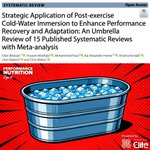
Cold-water immersion helps recovery in some contexts, but can blunt strength adaptations 🧊
This umbrella review synthesised 15 systematic reviews with meta-analyses, covering 161 unique studies and 3,210 participants, examining post-exercise cold-water immersion (CWI) for recovery and training adaptation 🔍
Here are the key findings ⬇️
🧊 The most consistently effective protocols were 10–15 min at 10–15°C, or 5–10°C when reducing muscle damage or supporting jump recovery was the priority
😣 CWI consistently reduced muscle soreness, with benefits lasting up to ~96 h in some analyses
🩸 Creatine kinase was generally lower 24–72 h after exercise, although CRP and IL-6 were not consistently changed
🫀 CWI improved heart-rate variability immediately post-exercise, suggesting faster parasympathetic reactivation
🚴 Endurance performance improved mainly in the immediate recovery window (~1 h), with little evidence of benefit at ≥24 h
⚡ Power and jump performance showed a time-dependent response: performance may be worse in the first 1–6 h, but can improve from ~24–72 h
↔️ Maximal strength recovery was not consistently improved
🏋️ Repeated CWI after resistance training may attenuate strength and hypertrophy adaptations, particularly when the exercised limbs are immersed
🏃 Endurance training adaptations appear largely unaffected by repeated CWI
🔥 CWI may be most useful when rapid recovery from high-intensity exercise or heat strain is more important than maximising long-term adaptation
⚠️ Evidence certainty was mostly low to very low, and all included reviews were rated low or critically low methodological quality
Cold-water immersion is best treated as a periodised recovery tool: useful during congested competition, hot conditions or when short-term recovery matters, but better avoided immediately after key strength or hypertrophy sessions when adaptation is the priority ✅
Reference:
link.springer.com/article/10…
Subscribe to performancenutritiondigest.c… FREE to receive your daily study breakdown, straight to your inbox or via the Substack app 📥
Powered by healthspanelite.co.uk⚡️

Plant proteins can stimulate muscle protein synthesis similarly to animal proteins 🌱
This systematic review and network meta-analysis included 51 studies and 1,128 participants, comparing different protein sources for acute muscle protein synthesis (MPS) after resistance exercise 🔍
Here are the key findings ⬇️
🥛 Native whey, pea protein, whole egg, mycoprotein and whey ranked highest for estimated post-exercise MPS
📊 In the standard network analysis, only whey protein produced a statistically significant increase versus control
🏆 Native whey ranked highest overall, followed by pea protein, whole egg, mycoprotein and whey, although several estimates were based on very few studies
🥚 Dose-response modelling suggested particularly strong MPS responses with ~20 g native whey, 18 g whole egg, 25 g pea and 25 g mycoprotein
🌱 Pea and mycoprotein therefore achieved MPS rankings comparable with leading animal proteins, but generally at slightly higher doses
💪 This challenges the assumption that plant proteins are inherently inferior for stimulating post-exercise MPS
🧬 Differences in digestibility, leucine and essential amino acid content may partly explain why some plant proteins require larger doses
⚠️ Importantly, the analysis did not directly compare animal versus plant protein as broad categories, so this interpretation comes from individual protein rankings
📉 Fava bean and mealworm protein produced some of the lowest predicted MPS responses in the network
⏱️ Outcomes represented acute MPS over ~2–7.5 h, which should not automatically be interpreted as greater long-term hypertrophy
📊 Heterogeneity was very high (I² ~93%), and the network showed significant inconsistency
⚠️ Native whey was represented by only one study arm and pea by two, making those high rankings particularly uncertain
For athletes, total protein dose may be at least as important as whether protein comes from plants or animals; well-selected plant proteins such as pea or mycoprotein can produce strong acute MPS responses when consumed in sufficient amounts ✅
Reference:
tandfonline.com/doi/full/10.…
Subscribe to performancenutritiondigest.c… FREE to receive your daily study breakdown, straight to your inbox or via the Substack app 📥
Powered by healthspanelite.co.uk⚡️

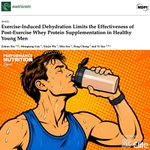
Dehydration may blunt the amino acid response to post-exercise protein 💧
This new study examined whether exercise-induced dehydration alters the circulating amino acid response to 45 g whey protein in 13 healthy young men 🔍
Participants completed the same intermittent running protocol under three hydration conditions, producing body-mass losses of 2.20%, 1.18% and 0.27% 🏃
Within 5 min of exercise, all participants consumed 45 g whey protein in 450 mL water 🥤
Results 📊
📈 Whey increased circulating amino acids in all conditions, but the response was reduced when participants finished exercise ~2.2% dehydrated
🩸 At 60 min, total amino acids, BCAAs, leucine, isoleucine and glutamine were all significantly lower after 2.2% dehydration than after either partial or full fluid replacement
📊 The 0–120 min amino acid response was also lower for total amino acids, BCAAs, isoleucine and glutamine with 2.2% dehydration
↔️ Importantly, there were no meaningful differences between ~1.2% and ~0.3% body-mass loss
💡 This suggests that replacing around 50% of exercise fluid losses may have been sufficient to preserve the early amino acid response, with no additional benefit from replacing 100%
🤢 GI symptoms remained very low and did not differ between conditions, meaning impaired amino acid appearance occurred without obvious gastrointestinal discomfort
🧬 Potential mechanisms include reduced splanchnic blood flow, slower gastric emptying and impaired intestinal absorption, although these were not directly measured
⚠️ Muscle protein synthesis was not measured, so lower circulating amino acids cannot automatically be interpreted as reduced muscle protein synthesis or recovery
Finishing exercise substantially dehydrated may reduce the early availability of amino acids from post-exercise whey, so maintaining at least partial fluid replacement during exercise could help preserve the intended recovery benefit of protein intake ✅
Reference:
mdpi.com/2072-6643/18/19/326…
Subscribe to performancenutritiondigest.c… FREE to receive your daily study breakdown, straight to your inbox or via the Substack app 📥
Powered by healthspanelite.co.uk⚡️

Heat acclimation transfers across dry and humid conditions 🌡️
This crossover study examined whether hot-dry or warm-humid heat acclimation improved endurance performance in the same environment and whether benefits transferred between conditions in trained male cyclists 🔍
Cyclists completed 30-min time trials in hot-dry conditions (42°C, 25% RH) and warm-humid conditions (33°C, 80% RH) before and after heat acclimation 🚴
The two environments were matched for wet-bulb globe temperature at ~31°C 🌡️
Results 📊
🔥 After dry-heat acclimation, mean power during the dry time trial improved by ~14 W
💧 After humid-heat acclimation, dry-condition power improved by ~6 W
📈 Dry-heat acclimation therefore produced a greater improvement in dry-condition performance than humid-heat acclimation
🌫️ In humid conditions, performance improved similarly after both acclimation strategies: ~12 W after humid-HA and ~12 W after dry-HA
🔄 This demonstrates meaningful cross-acclimation, with adapting to one heat environment improving performance in the other
🌡️ Rectal temperature during the dry time trial was lower after both acclimation protocols
🫀 Heart rate also tended to be lower after acclimation, particularly when athletes were tested in the environment they had adapted to
💦 Whole-body sweat rate increased after both protocols in both dry and humid testing conditions
📉 During the humid time trial, rectal temperature decreased after dry-HA but was essentially unchanged after humid-HA
🧩 Overall, both protocols improved thermoregulatory responses, but dry-heat acclimation appeared to provide the broader performance benefit
For endurance athletes preparing for competition in the heat, acclimation in either dry or humid conditions can transfer across environments, but hot-dry acclimation may offer a slight advantage when dry-heat performance is particularly important ✅
Reference:
ovid.com/jnls/acsm-msse/abst…
Subscribe to performancenutritiondigest.c… FREE to receive your daily study breakdown, straight to your inbox or via the Substack app 📥
Powered by healthspanelite.co.uk⚡️

Mediterranean diets may support exercise adaptation without blunting redox signalling 🫒
This narrative review examined how the Mediterranean diet, whole foods, polyphenols and antioxidant supplements may influence exercise adaptation through redox, metabolic, vascular and gut-microbiota pathways 🔍
Here are the key findings ⬇️
⚡ Exercise-generated reactive oxygen and nitrogen species are not simply harmful; transient increases are important signals for mitochondrial biogenesis, endogenous antioxidant defence and training adaptation
🍎 The Mediterranean diet provides polyphenols, unsaturated fats, fibre and micronutrients within a whole-food matrix, creating a very different biological exposure from isolated high-dose supplements
🧬 Polyphenols may influence Nrf2, NF-κB, AMPK, SIRT1 and PGC-1α signalling, but direct human evidence that the complete Mediterranean diet enhances these pathways in exercising muscle remains limited
🏃 Human evidence suggests possible benefits for selected endurance, VO₂max, vascular and metabolic outcomes, but does not show a consistent ergogenic effect
⏱️ One small crossover trial reported ~6% faster 5-km performance after 4 days of a Mediterranean diet versus a Western diet
📈 A 12-week trial in endurance athletes found a greater improvement in VO₂max, alongside higher plasma propionate and butyrate
🦠 Gut-derived metabolites such as SCFAs may contribute to training adaptation, but their causal role remains unproven
💪 Evidence for strength outcomes is mostly neutral, while direct evidence for faster recovery remains limited
⚠️ High-dose vitamin C and E supplementation may attenuate selected redox-sensitive molecular adaptations, although this does not mean antioxidant-rich foods have the same effect
🥗 Athletes should therefore prioritise a food-first approach, rather than attempting to reproduce Mediterranean dietary exposures with concentrated antioxidant supplements
For athletes, antioxidant-rich whole foods appear compatible with training adaptation and may support the wider recovery and metabolic environment, while chronic high-dose antioxidant supplementation should be used more cautiously because it may interfere with some exercise-responsive signalling pathways ✅
Reference:
mdpi.com/2673-6284/15/4/88
Subscribe to performancenutritiondigest.c… FREE to receive your daily study breakdown, straight to your inbox or via the Substack app 📥
Powered by healthspanelite.co.uk⚡️

Low glycogen substantially increases peak fat oxidation, but be warned 🔥
This randomised crossover study examined how manipulating muscle glycogen through glycogen-depleting exercise followed by a high- or low-carbohydrate diet affected peak fat oxidation, Fatmax and mitochondrial efficiency in 10 trained men 🔍
The high-CHO diet provided ~7.4 g/kg/day, while the low-CHO diet provided ~0.8 g/kg/day 🍞
Results 📊
📉 Muscle glycogen fell by 30.5% after depletion + high CHO, but by 69.3% after depletion + low CHO
↔️ Muscle glycogen was therefore ~56% lower in the low-CHO condition
🔥 Peak fat oxidation increased by 24% after depletion + high CHO, from 0.37 → 0.46 g/min
🚀 With depletion + low CHO, peak fat oxidation increased by ~90%, from 0.39 → 0.74 g/min
📈 Peak fat oxidation was consequently ~61% higher with low versus high carbohydrate availability
🎯 Fatmax shifted from ~41% → 56% VO₂peak in the low-CHO condition, meaning maximal fat oxidation occurred at a substantially higher exercise intensity
🧬 Muscle glycogen was strongly negatively associated with peak fat oxidation (r = −0.81)
🩸 Plasma free fatty acids were strongly positively associated with peak fat oxidation (r = 0.79)
⚙️ Despite these large changes in fuel use, mitochondrial coupling efficiency and respiratory control were unchanged
🫁 VO₂peak was also unchanged between conditions
⚠️ Maximum power fell by ~6.7% after the low-CHO intervention, suggesting greater fat oxidation does not automatically translate into better high-intensity performance
🧩 The intervention altered glycogen, carbohydrate, fat, protein, glucose, insulin and FFA availability simultaneously, so the effect cannot be attributed to glycogen alone
Reducing carbohydrate availability after glycogen-depleting exercise can dramatically increase peak fat oxidation and shift Fatmax to higher intensities, but this metabolic shift occurs without improved mitochondrial efficiency and may come at a cost to maximal power output ✅
Reference:
physoc.onlinelibrary.wiley.c…
Subscribe to performancenutritiondigest.c… FREE to receive your daily study breakdown, straight to your inbox or via the Substack app 📥
Powered by healthspanelite.co.uk⚡️

The health benefits of beetroot for older adults
This systematic review included 5 randomised controlled trials and 66 adults aged ≥65 years, examining the effects of beetroot supplementation on nitric oxide availability, blood pressure and functional outcomes 🔍
Here are the key findings ⬇️
🩸 Beetroot consistently increased circulating or urinary nitrate and nitrite, confirming activation of the nitrate–nitrite–nitric oxide pathway
🫀 Effects on blood pressure were inconsistent, with no clear sustained reduction across the included trials
📉 Some studies reported acute reductions in systolic blood pressure of up to ~8 mmHg, but between-treatment differences were generally not statistically significant
⚡ Functional outcomes appeared more promising than blood pressure outcomes
🦵 One study found improvements in knee-extension velocity and maximal power following nitrate-rich beetroot juice
💪 Another found that beetroot attenuated the decline in maximal voluntary contraction during post-exercise recovery
↔️ These findings suggest nitrate may be more useful for supporting muscle function under activation or fatigue than increasing maximal strength at rest
🥤 Interventions included beetroot juice, gel and powder, providing approximately 250–526 mg nitrate or ~12 mmol nitrate
👵 Around 67% of participants were women, with mean ages ranging from ~68 to 73 years
🧬 Responses may depend on factors including baseline nitrate intake, cardiovascular health and the oral microbiome, which plays an important role in converting nitrate to nitrite
⚠️ The evidence base was very small, studies were heterogeneous, and sample sizes ranged from only 8–20 participants
Overall, beetroot reliably increases nitric oxide-related metabolites in older adults and may modestly support muscle power and recovery, but current evidence is insufficient to confidently recommend it for lowering blood pressure or improving functional capacity ✅
Reference:
sciencedirect.com/science/ar…
Subscribe to performancenutritiondigest.c… FREE to receive your daily study breakdown, straight to your inbox or via the Substack app 📥
Powered by healthspanelite.co.uk⚡️

100 g/h carbohydrate improves endurance durability compared to 60 g/h 🚴
This new study examined whether 60 vs 100 g/h carbohydrate influenced durability, substrate oxidation and muscle glycogen use during prolonged cycling in 15 trained male cyclists and triathletes 🔍
Participants completed 4 h of intermittent cycling at ~60% of their fresh 15-min time-trial power, including high-intensity intervals 🚴
Carbohydrate was provided as a 1:0.8 glucose-to-fructose mix at either 60 or 100 g/h 🥤
Results 📊
📉 Performance declined after 4 h in both conditions, but the reduction was significantly smaller with 100 g/h
⚡ 15-min TT mean power fell by ~6.4% with 100 g/h versus ~9.3% with 60 g/h
📈 Accordingly, late-exercise mean power was ~9 W higher with 100 g/h
🧬 Interestingly, muscle glycogen utilisation was virtually identical between conditions
↔️ Post-exercise muscle glycogen availability was also similar: 192 vs 209 mmol/kg dry weight
🔥 Whole-body carbohydrate oxidation was better maintained with 100 g/h, falling from 2.6 → 2.3 g/min, versus 2.6 → 1.9 g/min with 60 g/h
🩸 Blood glucose remained stable in both conditions, suggesting the performance difference was not explained by greater preservation of circulating glucose
💡 This means the durability benefit from higher carbohydrate intake did not appear to come from sparing muscle glycogen
⚠️ The study included only trained men, so findings should not automatically be generalised to female athletes or all endurance populations
For long endurance events, increasing carbohydrate intake from 60 to 100 g/h may help preserve late-race power and durability even when muscle glycogen utilisation is unchanged, supporting higher intakes when athletes can tolerate and practically execute them ✅
Reference:
pubmed.ncbi.nlm.nih.gov/4284…
Subscribe to performancenutritiondigest.c… FREE to receive your daily study breakdown, straight to your inbox or via the Substack app 📥
Powered by healthspanelite.co.uk⚡️

10 vs 90 vs 120 vs 150 g/h carbs for endurance 🚴
This new study examined how 10, 90, 120 and 150 g/h carbohydrate affected substrate metabolism, exogenous carbohydrate oxidation and exercise capacity in 8 trained male cyclists 🔍
Participants cycled for 3 h, followed by an exercise-capacity test at 150% of lactate threshold 🚴
The 90, 120 and 150 g/h conditions used a 1:0.8 glucose-to-fructose ratio 🥤
Results 📊
📈 Exogenous carbohydrate oxidation increased dose-dependently, reaching 1.23, 1.48 and 1.62 g/min with 90, 120 and 150 g/h respectively
🔥 However, whole-body carbohydrate oxidation did not differ between 120 and 150 g/h
⬆️ Both 120 and 150 g/h produced greater whole-body carbohydrate oxidation than 90 and 10 g/h
🩸 Blood glucose was significantly lower with 10 g/h than with 90, 120 or 150 g/h
⏱️ Total exercise duration was significantly shorter with 10 g/h than with both 90 and 120 g/h
↔️ There were no significant performance differences between 90, 120 and 150 g/h
📊 Modelling suggested optimal exercise capacity occurred at approximately 107 g/h, with a 95% CI of 92–122 g/h
⬆️ Increasing intake from 120 → 150 g/h therefore increased exogenous carbohydrate oxidation, but did not further increase whole-body carbohydrate oxidation or exercise capacity
🧩 Importantly, individual responses varied substantially, with the authors highlighting the potential value of personalising carbohydrate intake rather than assuming more is always better
⚠️ This was a very small study involving only 8 trained men, so the exact “optimal” intake should not be treated as a universal prescription
For prolonged endurance exercise, carbohydrate intakes around 90–120 g/h appear to support substantially greater performance than very low intake, while pushing intake to 150 g/h may increase exogenous oxidation without providing additional performance benefit; tolerance and individual response should therefore help determine the athlete’s target ✅
Reference:
ovid.com/jnls/acsm-msse/abst…
Subscribe to performancenutritiondigest.c… FREE to receive your daily study breakdown, straight to your inbox or via the Substack app 📥
Powered by healthspanelite.co.uk⚡️

Just 10 g/h carbohydrate improves endurance by 22% in low- and high-carb triathletes 🍬
This randomised crossover study examined whether minimal carbohydrate during exercise could improve endurance after 6 weeks on very-low- or high-carbohydrate diets in 10 trained male triathletes 🔍
Athletes completed 6 weeks of a very-low-carbohydrate/high-fat diet (~40 g CHO/day) and 6 weeks of a high-carbohydrate/low-fat diet (~380 g/day) 🥑
After each diet, they cycled to exhaustion at 70% VO₂max following a >15 h overnight fast 🚴
During exercise, athletes consumed placebo or only ~10 g carbohydrate/hour 🍬
Results 📊
↔️ Time-to-exhaustion performance was not significantly different between diets
📈 10 g/hr increased time to exhaustion by ~22%, equivalent to ~19 minutes, regardless of habitual diet
🩸 Without carbohydrate, exercise-induced hypoglycaemia occurred after both diets; 10 g/h completely prevented it
🔥 The low-carb diet produced greater fat oxidation and lower carbohydrate oxidation, yet this did not translate into poorer performance
🧠 The authors argue that maintaining blood glucose may therefore have contributed more to the benefit than simply increasing carbohydrate oxidation
⏱️ Continuous glucose monitoring showed lower glucose during the first weeks of the low-carb diet, but values normalised after ~4 weeks, alongside stabilisation of blood ketones
⚠️ Muscle and liver glycogen were not directly measured
A small amount of carbs may meaningfully delay fatigue during prolonged fasted exercise by maintaining blood glucose, but these findings do not show that ~10 g/h is optimal for competition or that higher carbohydrate intakes are unnecessary ✅
Reference:
pubmed.ncbi.nlm.nih.gov/3978…
Subscribe to performancenutritiondigest.c… FREE to receive your daily study breakdown, straight to your inbox or via the Substack app 📥
Powered by healthspanelite.co.uk⚡️

Carbohydrate–electrolyte drinks for endurance performance in the heat 🥤
This systematic review and three-level meta-analysis included 21 randomised studies and 316 participants, examining acute carbohydrate–electrolyte supplementation versus water/non-caloric placebo during exercise at ≥22°C 🔍
Here are the key findings ⬇️
🏃 The clearest benefit was for aerobic endurance, with a small-to-moderate positive effect (g = 0.45)
📈 Across all performance outcomes, supplementation produced a small overall benefit (g = 0.37)
⏱️ Time-trial/fixed-work performance improved (g = 0.41), while time-to-exhaustion showed a larger but less precise effect (g = 0.66)
⚡ Evidence for anaerobic endurance, explosive power and strength was inconclusive
🌡️ The positive average effect remained when studies at 22–25°C were excluded (>25°C: g = 0.41) and when restricted to ≥28°C (g = 0.36)
↔️ However, prediction intervals crossed zero, meaning benefit would not be expected in every setting
🌡️ Neither ambient temperature nor exposure duration significantly modified the performance effect
⚠️ Importantly, trials compared CHO-electrolyte drinks with control within the same environment, so this does not show they specifically prevent heat-induced performance loss
🥤 Variation in carbohydrate concentration, electrolyte composition, fluid volume and timing meant the review could not identify an optimal formulation or dose
👩 Only 34 of 316 participants were women, limiting female-specific conclusions
📊 Evidence certainty was low for overall performance and aerobic endurance, and very low for non-aerobic outcomes
For athletes exercising in warm-to-hot conditions, carbohydrate–electrolyte drinks appear most useful for supporting prolonged aerobic performance, but they should complement rather than replace individualised hydration, pacing, acclimation and cooling strategies ✅
Reference:
mdpi.com/2072-6643/18/19/320…
Subscribe to performancenutritiondigest.c… FREE to receive your daily study breakdown, straight to your inbox or via the Substack app 📥
Powered by healthspanelite.co.uk⚡️

Creatine may help some soccer performance outcomes, but evidence is inconsistent ⚽
This systematic review included 45 reports representing 41 unique studies, examining creatine supplementation for performance, body composition and recovery/fatigue outcomes in soccer players 🔍
Here are the key findings ⬇️
⚡ Some studies reported favourable effects on repeated-sprint performance, but findings were inconsistent and several trials showed no clear between-group benefit
🚴 Anaerobic power showed a similar pattern, with selected improvements in Wingate and RAST outcomes but substantial inconsistency between studies
💪 Muscular strength may benefit, with some trials reporting greater improvements in bench press, squat and leg strength versus placebo
🆙 Jump performance was mixed, with some positive studies but several null findings
🔀 Change-of-direction performance showed no consistent benefit, and evidence for soccer-specific technical skills such as dribbling and kicking was also mixed
🏃 Creatine did not consistently improve endurance performance, including intermittent endurance tests and treadmill protocols
😮💨 Recovery and fatigue outcomes were largely inconclusive, with no consistent improvements in fatigue index, lactate, heart rate, RPE or muscle-damage markers
⚖️ Body mass commonly increased, particularly with loading protocols, with reported gains ranging from ~0.4–3.6 kg
💧 Some of this weight gain likely reflects increased body water, while evidence for meaningful additional lean-mass gains was limited and inconsistent
🥄 Short-term protocols commonly used ~20 g/day or ~0.3 g/kg/day for 4–7 days, while longer studies typically used 3–10 g/day
📊 Evidence certainty was rated very low for performance, body composition and recovery/fatigue
⚠️ Many studies were small, heterogeneous, at risk of bias and predominantly involved male players
Creatine remains a plausible option for soccer players targeting strength, power and repeated high-intensity efforts, but soccer-specific evidence is not strong enough to guarantee improved match performance or recovery, and potential body-mass gain should be considered individually ✅
Reference:
tandfonline.com/doi/full/10.…
Subscribe to performancenutritiondigest.c… FREE to receive your daily study breakdown, straight to your inbox or via the Substack app 📥
Powered by healthspanelite.co.uk⚡️

More carbohydrate means more muscle glycogen, but the exact ceiling is unclear 🍝
This systematic review and meta-analysis included 63 trials and 641 participants, with 18 in the quantitative analysis, examining how carbohydrate intake, loading duration, training status and exercise influence muscle glycogen 🔍
Here are the key findings ⬇️
🍞 Increasing carbohydrate from <6.5 to >6.5 g/kg/day increased muscle glycogen by ~192 mmol/kg dry muscle in crossover trials
📈 A clear dose-response relationship was observed between carbohydrate intake and glycogen in recreationally active and endurance-trained athletes
🏃 In endurance-trained athletes, relative carbohydrate intake explained ~49% of the variation in muscle glycogen
🎯 >8 g/kg/day for 36–48 h may be the most practical strategy to significantly increase pre-competition glycogen stores
⚡ Prior glycogen-depleting exercise was not essential in trained athletes, but can accelerate restoration when followed by high carbohydrate intake
⏱️ With prior depletion and high-GI carbohydrate, supercompensation may be possible within 24–36 h
🍚 High-GI carbohydrate appears most useful when the loading window is <36 h; over longer periods, a mixed diet is likely sufficient
🚴 Light-to-moderate taper training did not appear to compromise glycogen storage when carbohydrate intake was very high
👩 When carbohydrate intake was matched, women appeared to have a similar capacity to store glycogen as men
🧩 Training status, loading duration and exercise all influenced glycogen storage, but carbohydrate quantity appeared dominant
⚠️ Heterogeneity was very high and only 12% of participants were female, so the exact optimal dose and true saturation point remain uncertain
For endurance athletes, >8 g/kg/day for 36–48 h is a practical carbohydrate-loading target, with shorter loading windows benefiting from glycogen-depleting exercise plus high-GI carbohydrate ✅
Reference:
onlinelibrary.wiley.com/doi/…
Subscribe to performancenutritiondigest.c… FREE to receive your daily study breakdown, straight to your inbox or via the Substack app 📥
Powered by healthspanelite.co.uk⚡️

Bicarbonate gels may improve late-race performance after prolonged cycling 🚴
This new study examined whether bicarbonate + carbohydrate consumed during exercise could preserve high-intensity performance after prolonged cycling in 11 trained cyclists 🔍
Participants completed 3 h of cycling at 95% of gas-exchange threshold, consuming 80 g/h carbohydrate in both trials 🚴
The bicarbonate condition provided 20 g total bicarbonate across the ride: 18 g sodium bicarbonate + 2 g potassium bicarbonate 🥤
Results 📊
⚡ After 3 h, 12-min time-trial power was 12 W higher with bicarbonate + CHO than CHO alone (251 vs 239 W)
📈 This represented an approximately 6% improvement in fatigued 12-min TT performance
↔️ Bicarbonate did not significantly improve 6-s sprint performance or the 2-min TT
🧪 Blood bicarbonate was ~4.3 mmol/L higher overall with supplementation, with concentrations reaching ~31 mmol/L at 180 min versus ~25 mmol/L with CHO alone
📊 Individual peak bicarbonate increased by ~5.8 mmol/L, indicating meaningful metabolic alkalosis
🩸 Lactate concentrations were higher during the post-ride high-intensity efforts with bicarbonate, consistent with greater glycolytic flux and/or lactate efflux
🍞 Bicarbonate did not alter carbohydrate oxidation, fat oxidation, energy expenditure, heart rate, VO₂ or RPE during the 3-h ride
🚽 GI symptoms were negligible and did not differ between conditions, with no severe symptoms reported
😬 However, bicarbonate gels were rated as less pleasant than standard carbohydrate gels
⚠️ The study was small, could not be fully blinded and used a fixed bicarbonate dose, producing relative intakes of 0.23–0.35 g/kg
For endurance athletes, distributing bicarbonate through carbohydrate gels during prolonged exercise may help preserve a decisive sustained high-intensity effort late in an event, while potentially avoiding the GI issues associated with traditional sodium bicarbonate loading ✅
Reference:
pubmed.ncbi.nlm.nih.gov/4278…
Subscribe to performancenutritiondigest.c… FREE to receive your daily study breakdown, straight to your inbox or via the Substack app 📥
Powered by healthspanelite.co.uk⚡️

Blackcurrant anthocyanins can shift exercise fuel use toward fat 🫐
This narrative review included 23 studies examining whether anthocyanin-rich foods and supplements alter fat and carbohydrate oxidation during exercise 🔍
Here are the key findings ⬇️
🫐 New Zealand blackcurrant extract had the strongest and most consistent evidence
🔥 After ~7–14 days of supplementation, several studies reported ~15–30% higher fat oxidation during continuous moderate-intensity exercise
🍞 This was often accompanied by ~5–12% lower carbohydrate oxidation
🚴 Benefits were observed across cycling, walking and running, including in some endurance-trained athletes
⏱️ Acute supplementation generally did not produce the same effect, suggesting repeated intake may be important
📅 In one study, daily dosing altered substrate use whereas every-other-day dosing did not
🧬 Mechanistic evidence suggests blackcurrant may increase intramuscular triglyceride use and alter muscle glycogen availability
↔️ Energy expenditure and oxygen consumption were generally unchanged, indicating a shift in fuel selection rather than greater calorie expenditure
🫐 Evidence for other anthocyanin-rich sources was less consistent: blueberry showed some positive findings, while tart cherry generally did not alter substrate oxidation
🧩 Responses may depend on baseline fuel use, body composition, supplementation duration, diet and environmental conditions
⚠️ Much of the blackcurrant evidence comes from relatively small studies and a limited number of research groups
☝️ Importantly, higher fat oxidation does not yet mean better endurance performance, glycogen sparing or greater fat loss
For endurance athletes, ~7–14 days of anthocyanin-rich blackcurrant supplementation may shift moderate-intensity exercise toward greater fat and lower carbohydrate use, but whether this meaningfully improves performance remains uncertain ✅
Reference:
pubmed.ncbi.nlm.nih.gov/4279…
Subscribe to performancenutritiondigest.c… FREE to receive your daily study breakdown, straight to your inbox or via the Substack app 📥
Powered by healthspanelite.co.uk⚡️

Carbohydrate mouth rinsing provides a small, outcome-specific performance benefit 🥤
This new meta-analysis included 90 trials and 1,184 participants, examining the acute effects of carbohydrate mouth rinsing on exercise performance and capacity 🔍
Here are the key findings ⬇️
🏃 CHO mouth rinse produced a small improvement in distance covered compared with control (g = 0.17)
⏱️ Performance time also improved slightly (g = −0.15), although the effect was classified as trivial
⚡ Exercise speed increased by a similarly small amount (g = 0.17)
🏋️ Workload showed the clearest benefit, with a small positive effect (g = 0.25) and high-certainty evidence
💪 Maximum voluntary contraction also improved slightly (g = 0.18), although this finding was less robust in sensitivity analyses
↔️ CHO mouth rinse did not improve muscular endurance
🚴 Maximum power output was essentially unchanged (g = 0.008)
🫁 VO₂max was also unaffected, which is unsurprising given that mouth rinsing provides no additional metabolic substrate
🧠 The proposed mechanism is primarily central rather than metabolic, with oral carbohydrate sensing potentially activating brain regions involved in motivation, reward and motor drive
🔎 There was no consistent evidence that benefits differed according to exercise type, CHO type, solution concentration or fitness level
📊 Evidence certainty was generally moderate, high for workload and low for power output
⚠️ Publication bias/small-study effects were detected for performance time, power and speed
👨 96.45% of participants were male, substantially limiting generalisation to female athletes
Overall, carbohydrate mouth rinsing appears to provide a small ergogenic effect for selected outcomes and may be a useful low-cost adjunct when even marginal performance gains matter, but it should not be expected to meaningfully improve every aspect of exercise performance ✅
Reference:
pubmed.ncbi.nlm.nih.gov/4279…
Subscribe to performancenutritiondigest.c… FREE to receive your daily study breakdown, straight to your inbox or via the Substack app 📥
Powered by healthspanelite.co.uk⚡️

Online coaching can make your physique part of the job📱
This qualitative study interviewed online coaches to explore how working on social media influences their body image and how they navigate appearance pressures within the online fitness industry 🔍
Here are the key findings ⬇️
📱 Coaches viewed maintaining a social media presence as essentially non-negotiable for running an online coaching business
👀 Participants described strong pressure to meet appearance standards in order to appear credible, desirable and competent to potential clients
📉 A particularly prominent expectation was the need to showcase a lean physique online
🎭 Coaches also felt pressure to appear authentic and relatable while simultaneously concealing their own body-image struggles from their audience
🧠 This creates a tension where coaches are expected to promote authenticity while still presenting a carefully managed version of themselves
↔️ Not every coach responded in the same way: some actively rejected industry appearance standards
📈 Others deliberately used their physique as a marketing tool to gain attention, increase social-media traction and reinforce perceptions of expertise
💼 The findings suggest that physique can become intertwined with professional identity and commercial success, rather than remaining purely personal
👩 The sample was 58.8% female, with an average age of 33.5 years
⚠️ The findings highlight a potential conflict between promoting healthy behaviours professionally and experiencing significant appearance pressure personally
For coaches and practitioners building a business online, credibility should ideally come from expertise, communication and outcomes rather than maintaining an unrealistically lean physique; greater awareness of these pressures may help create healthier expectations for both coaches and their clients ✅
Reference:
pubmed.ncbi.nlm.nih.gov/4278…
Subscribe to performancenutritiondigest.c… FREE to receive your daily study breakdown, straight to your inbox or via the Substack app 📥
Powered by healthspanelite.co.uk⚡️
