

I’m a man,I can change if I have to,I guess….
Joined November 2014
- Tweets42.8K
- Following1.5K
- Followers804
- Likes27.4K






Tim James retweeted

Ontario hospitals are short $2.7 billion. They're overcrowded and struggling. Think that's a lot? Just realize Ontario wasted $7.2 billion on:
-an Austrian spa
-new Science Centre
-early alcohol sales
-pre-election bribe cheques
We have the money. Don't let them fool you.


Tim James retweeted

Peter Gabriel 🎩🪄 Solsbury Hill (1978)
Written after leaving Genesis in 1975, this song reflected Peter's decision to follow his own path and step away from the familiar.
A deeply personal song about change, courage, and new beginnings.
A legendary artist.
#PeteGabriel
Tim James retweeted
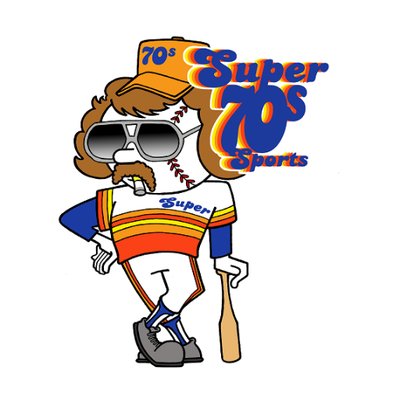
When I was a kid, I wouldn’t have left my house if it caught fire while This Week in Baseball was on.


Tim James retweeted

My opinion on Helly situation.
Wife no longer wanted to live in Winnipeg or raise their kids in Winnipeg. Their right as a family.
Simple is that.
But no way he can make that public and throw his wife under the bus.
The simplest answer is usually the right one.
IYKYK


Tim James retweeted

David Byrne took Talking Heads' songs to Broadway without the band, and the show grossed more than $40 million. When Live Nation offered the band $80 million for 6 to 8 shows, the answer was no.
Chris Frantz, who started the band with Byrne and Tina Weymouth in 1975, says it changed after a lawyer explained how songwriting royalties work.
In the video below, Frantz thanks the Hall of Fame "for giving this band a happy ending" with Byrne beside him. They hadn't played together in 18 years, and he kept wondering, "Was it something I said?"
Half a song is the melody and half the words, the lawyer said. Frantz says Byrne then told him, "I'm only going to sing the songs that I write the lyrics for from here on out."
Frantz says all 5 writers of Remain in Light were meant to be named. The advance copies read "All Songs By David Byrne, Brian Eno, Talking Heads," and in 1991 he learned Byrne had left from the Los Angeles Times.
The case for Byrne: he wrote almost all the words, and Frantz admits, "I'm never going to have the unique train of thought that he has." In the clip Byrne says a reunion "becomes an exercise in nostalgia."
Frantz's advice is to agree on songwriting credits and record royalties in the early days, before anyone finds out what half a song pays.
So did Byrne just get paid for the words he wrote, or use one royalty rule to take the songs from the 3 people who built them with him?
I post one famous deal like this every day, with who got paid, who got played, and the numbers that never made the poster.