

1️⃣3️⃣🦑💉🗿🖖🏼♌♻️🇲🇵☮️PES🚭CEIOUGatólico Namarië
Vassouras/RJ 🇧🇷
Joined December 2016
- Tweets118K
- Following1.5K
- Followers750
- Likes212K






Rimbecano retweeted
Breaking live
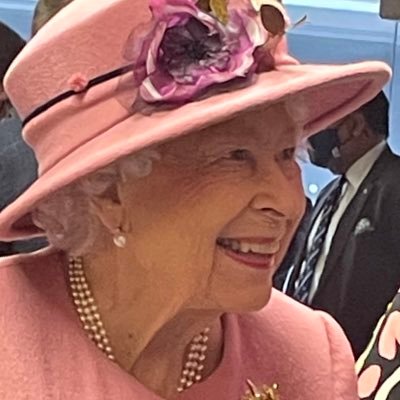
Prince William arrives at Downing Street to meet Prime Minister Andy Burnham where they will discuss issues of interest in a private meeting in The Study.


Rimbecano retweeted

galera, seguinte
tava refletindo aqui…
sábado é dia de ganhar no grito
eu preciso dos mesmos que estavam presentes contra o Atlético MG.
essa porra é BOTAFOGO
NÃO DESISTAM!!!!!

Rimbecano retweeted

In 1939, Albert Speer was Adolf Hitler's favorite architect and one of the few people Hitler treated as a friend. He was a frequent guest at the Berghof, Hitler's mountain home in the Bavarian Alps.
Speer designed the Nazis' grand buildings and rally grounds, including the new Reich Chancellery in Berlin, finished in 1939. He also drew up Hitler's plans to rebuild Berlin as "Germania," the capital of a world empire. To make room for the project, his office helped evict Jewish families from their Berlin apartments.
In 1942, Hitler made Speer Minister of Armaments and War Production. He kept the German war machine running into 1945, using millions of forced laborers and concentration camp prisoners in brutal conditions.
At the Nuremberg trials in 1946, Speer took a different approach from the other defendants. He accepted general responsibility for the regime's crimes but insisted he hadn't known about the Holocaust. The court believed enough of his story to spare him the death sentence. He was sentenced to 20 years and served the full term in Spandau Prison, getting out in 1966.
Speer then rebuilt his reputation as "the good Nazi." His 1969 memoir, Inside the Third Reich, became an international bestseller and earned him a fortune. Historians later found that he had known far more than he admitted. In a letter made public in 2007, he wrote that he had been present in October 1943 when Heinrich Himmler told Nazi leaders that the Jews were being exterminated.
Speer died in London in 1981, a rich and famous man.
Chilling historical photos: bit.ly/4kSq9Pj

Rimbecano retweeted

Resposta do técnico Tite para a minha pergunta na coletiva após o empate do Botafogo contra o São Paulo no Estádio Nilton Santos.
Rimbecano retweeted

Bom dia a todos! Em 24 de novembro de 1991, há 35 anos, morria Freddie Mercury, aos 45 anos, vítima de complicações decorrentes da AIDS. Vocalista do Queen, dono de uma voz extraordinária e de uma presença de palco inesquecível, revolucionou o rock com sua ousadia e talento. Sua morte ajudou a ampliar a conscientização sobre o HIV e a combater o preconceito. Sua música permanece viva, atravessando gerações.

Rimbecano retweeted

乌克兰陆军少校奥尔哈·比哈尔当面告诉北约盟军:
离前线最近的这 15 公里已经彻底变成装甲车的死地,
你们死磕负重长跑和肌肉硬汉的训练,全练错了方向。
比哈尔不是敲键盘的外行。
她在入伍前是一名执业律师,开战后在前线指挥过迫击炮连和无人机分队,后来还以优异成绩从北约教官带队的营级参谋训练班结业。
当北约军官问她,盟国目前按自己的条令帮乌克兰准备战争,到底对不对?
她给的回答干脆得让人意外:
“不行,完全不对。”
为什么不对?
乌克兰军队手里也有主战坦克、步兵战车和成套的西方重装备。
但在今天的顿巴斯前线,这些价值几百万美元一辆的钢铁大家伙,根本开不上去。
离交火线 15 公里的纵深,现在已经变成了一块完全透明的绝地。
在传统北约步兵教条里,进攻讲究步坦协同、利用夜幕掩护、靠树林和起伏地形隐蔽接敌。
但现在低空全被无人机封死了。
白天看得到你,晚上挂着热成像照样看得到你。
哪怕整辆装甲车熄火藏在灌木丛底下,只要发动机舱还冒着一点余热,就逃不过天上的眼睛。
几十万美元一架的侦察无人机在高空标定坐标,后面跟着几百美元一台、绑着聚能装药弹头的穿越机。
重型装甲车还没开进火炮射程,发动机和履带就已经被低空俯冲下来的自杀机炸成废铁。
装甲冲锋这条路走不通之后,那打仗靠什么?
军营里几十年来最看重的那套硬汉标准,突然不灵了。
过去各国军队挑兵训兵,核心永远是体能、耐力、高睾酮和强悍的体魄。
两腮紧绷、肌肉隆起、能背着三十公斤装具在泥地里狂奔五公里的壮汉,是所有征兵海报上的标准主角。
但比哈尔原话是这么说的:
现在的战场,力量不在肌肉里,在脑子里。
十年前走进征兵处,一个整天沉迷电脑游戏、身材瘦小、跑两步就喘、甚至端枪都嫌沉的年轻人,体检单上大概率连合格线都够不上。
但现在决定战局走向的,偏偏就是这群人。
因为现代交火线上最要命的打击,很多时候不是靠端着自动步枪冲锋,而是靠挂在脖子上的操控屏和双指微操的手柄。
把炸药贴着窗口钻进碉堡,或者从装甲车敞开的顶舱精准塞进去,
靠的不是手臂能举起多重的杠铃,
而是三维空间判断、快速反应,以及对无线电跳频和软件界面的熟悉程度。
克里米亚大桥和黑海舰队被重创的时候,
水面上冲过去的不是扛着炸药包硬潜过去的蛙人猛男,
而是一艘艘由几百公里外远程操控的无人艇。
坐在遥控终端前面的,
可能是一个刚满二十岁的小伙子,可能是一名女兵,也可能是一位五十岁、手指在键盘上敲了几十年的程序员。
传统陆军最看重的肉体对抗优势,在数字链路面前,被压缩到了极小的空间。
这才是比哈尔那句提醒背后最刺眼的地方。
北约军校和训练营磨砺了几十年的经典教条,默认士兵是在泥泞里拼肉体韧性;
可现代交火线的真实较量,早就移到了遥控手柄、天线频率和屏幕两侧。
如果训练营里还在把大部分精力花在练习刺杀、冲刺和二战式的阵地推演上,
那么一旦真走上战场,
士兵们甚至还没看到敌人的影子,就会在离前线 15 公里的空地上,被屏幕后那些从未扛过原木的对手消耗干净。
Rimbecano retweeted

DA MARÉ PRA BRASÍLIA! ❤️
Sou cria da Maré, carrego minha história, minha família, minha ancestralidade e a memória da minha irmã Marielle comigo. Agora, levo também a responsabilidade de representar o povo do Rio de Janeiro na Câmara dos Deputados.
A favela também ocupa esses espaços. E chegou a nossa vez de fazer história!


Rimbecano retweeted

Ja passei por essa situação diversas vezes com minha filha e nunca tive coragem de entrar no banheiro feminino
Quando não tinha aquele banheiro familiar, tinha que voltar pra casa correndo
A informação aprece trivial, mas na hora realmente você fica perdido
Rimbecano retweeted

Primeira vitória da Rayssa no novo formato olímpico, e uma vitória espetacular! 🥇🇯🇵
📸 | cbsk.


Rimbecano retweeted
O hino do brasil no lugar mais alto do podio! 🇧🇷
📲 | felipegustavosk8 via insta storie.

Absolvição absurda. Anos sem providências p Flamengo
Caso Ninho do Urubu: MP tenta reverter absolvição de sete réus por incêndio que matou 10 jovens do Flamengo diariodorio.com/esporte/flam… via @diariodorio – at Vassouras, Brasil

11
Rimbecano retweeted

Os gols de Internacional 2x5 Vitória.
📹 @canalpremiere | @geglobo
Rimbecano retweeted

time de vcs conseguiu empatar em casa precisando MUITO da vitória. que sensação merda
Rimbecano retweeted

On November 23, 1942, a German submarine put two torpedoes into a British cargo ship in the Atlantic off Brazil.
She went under in about two minutes.
54 men were aboard. One survived. Then he set a survival record that still hasn't been broken.
Poon Lim was 24, a second mess steward from Hainan Island, China. Most of the SS Benlomond's crew was Chinese and the officers were British. She was sailing alone, with no escort.
When the torpedoes hit he was in his cabin. He grabbed his life jacket and ran for the lifeboats. The ship went down under him and dragged him under with it. He came up next to some floating planks.
The U-boat surfaced. Its crew saw him in the water. By his account, they laughed and waved him away.
After about two hours he found an empty 8-foot wooden raft. Another raft with four or five men was close by, and they waved him over. He had nothing to paddle with. The two rafts drifted apart and he never saw those men again.
His raft had water, hardtack, chocolate, canned pemmican, evaporated milk, lime juice, flares, smoke pots and a flashlight. He rationed all of it. The food lasted about 55 days. The water ran out 15 days after that.
So he figured it out.
He pulled the spring out of the flashlight and bent it into a fish hook. He unraveled hemp rope for line and used crushed hardtack for bait. When he needed a stronger hook, he worked a nail out of the raft. He cut a knife from a pemmican tin. He rigged the canvas cover to catch rain and keep off the sun.
He couldn't swim well, so he tied himself to the raft by the wrist.
When gulls landed, he grabbed them, salted the meat in seawater and dried it into jerky. He saved the guts for bait.
One day that bait hooked a shark. He hauled it aboard and it went after him. He beat it to death with a water jug, drank the blood from its liver because he had no water, and dried the fins in the sun.
He kept track of days by tying knots in a rope. Eventually he gave up on days and counted full moons.
Ships went by. He yelled at them in English and nobody stopped. He thought they took him for Japanese. There were also rumors that U-boats used survivor rafts as bait to lure rescue ships in.
A US Navy patrol plane spotted him and dropped a marker buoy. Then a storm rolled through and they lost him.
In early April he noticed the ocean wasn't deep blue anymore. Land was close.
On April 5, 1943, three Brazilian fishermen found him off the coast of Pará. He had drifted about 750 miles and been alone for 133 days. He'd lost around 20 pounds and couldn't get off the raft without help.
Three days later, when they landed at Belém, he walked ashore.
King George VI awarded him the British Empire Medal. When someone told him nobody had ever lasted that long on a raft, he said: "I hope no one will ever have to break that record."
People have drifted longer in boats. Nobody on record has beaten 133 days on a life raft.
The postscript is almost as good. He tried to join the US Navy and got turned down for flat feet. Senator Warren Magnuson helped him get around the Chinese immigration quota, and he became a US citizen in 1952. He sailed with United States Lines for decades, retired as chief steward in 1983, and died in Brooklyn in 1991.

