

#₿itcoin Only. 35 year BI/Data Pro. Politically Homeless. MPLS. No c̶r̶y̶p̶t̶o̶. BTC = Money Over IP. Bitcoin Core is still broken. Need a new client
Joined February 2022
- Tweets21.3K
- Following2K
- Followers2.3K
- Likes68.5K


Bitcoinapolis: ₿= Money not S̷P̷A̷M̷ 🤓 retweeted

I asked then to clarify where is the 3/4 of the remaining components required to make such a integrated system work. Power, connectivity, control and monitoring etc.
A hashboard is just a piece of such an ntegrated system. Response: picture of a box with parts in it and a block
Bitcoinapolis: ₿= Money not S̷P̷A̷M̷ 🤓 retweeted

Spending $10k on a sweater apparently doesn’t make you an expert on quantum and Bitcoin.


Bitcoinapolis: ₿= Money not S̷P̷A̷M̷ 🤓 retweeted

Last week I asked a Bitcoin funding org to consider supporting an initiative.
“Probably best for decentralization that we don’t.”
“How so?”
“You should read stuff from jonatack and hodlonaut and it would explain it.”
“Oh that’s silly”
“I’m somewhat kidding, but surely you see the irony.”
Fortunately, funding has been decentralizing. But nothing in the responses was about merit or the value of the initiative.

CAPTURE Part 4: THE MACHINE
The fourth and final installment is out.
Bitcoin Magazine wasn’t just covering the fight over Bitcoin’s future. Its parent operated an Ordinals trading desk, invested in businesses tied to the ecosystem, and maintained editorial policies that exempted parts of that same business.
Then came an $80,000/month marketing contract, with an option for Nakamoto Inc. to buy BTC Inc at a valuation tied to its earnings, in a window that included the OP_RETURN fight. Nakamoto exercised the option.
Readers were not consistently told about these commercial relationships.
A documented investigation into the commercial interests and media infrastructure surrounding the Bitcoin Core controversy.
citadel21.com/the-machine

Bitcoinapolis: ₿= Money not S̷P̷A̷M̷ 🤓 retweeted

Must read, of course.
Hodlonaut has done painstaking research into the inner working of Bitcoin Core, including many uncomfortable issues or governance.
In my view, Hodlonaut has been the paramount of journalistic integrity, seeking comment from those he's covering. And, for matters of public record, he's shining a light on issues that bitcoiners might not be aware of.
Read the series for yourself and come to your own conclusions. And, hopefully, some lessons can be learned and taken forward.
CAPTURE Part 4: THE MACHINE
The fourth and final installment is out.
Bitcoin Magazine wasn’t just covering the fight over Bitcoin’s future. Its parent operated an Ordinals trading desk, invested in businesses tied to the ecosystem, and maintained editorial policies that exempted parts of that same business.
Then came an $80,000/month marketing contract, with an option for Nakamoto Inc. to buy BTC Inc at a valuation tied to its earnings, in a window that included the OP_RETURN fight. Nakamoto exercised the option.
Readers were not consistently told about these commercial relationships.
A documented investigation into the commercial interests and media infrastructure surrounding the Bitcoin Core controversy.
citadel21.com/the-machine

Bitcoinapolis: ₿= Money not S̷P̷A̷M̷ 🤓 retweeted

"The Federal Reserve opened in 1914. A dollar from that year buys you about three cents of goods today..." Let that sink in 😳

A short history of currency debasement:
Debasement is the oldest con in government. Rome ran it better than anyone until the twentieth century came along and said, "hold my beer."
Under Augustus, the denarius started at 4.5 grams of nearly pure silver. By Nero's reign in 64 AD, the emperor had shaved it down to about 90 percent silver. Nero had fire damage to repair and games to fund. His successors kept clipping. By the time Gallienus ruled around 260 AD, the denarius and its descendant, the antoninianus, carried around 5 percent silver, a copper slug dipped in a thin silver wash that rubbed off in your palm. Prices in the empire rose more than a thousandfold across the third century. Diocletian then responded with the Edict on Maximum Prices in 301 AD, threatening death to any merchant who charged what the debased coins were actually worth. Merchants did the sensible thing and stopped selling. Shelves emptied.
This method never changed, only the technology. Henry VIII of England ran the Great Debasement from 1544 to 1551, dropping the silver content of his coinage from 92.5 percent to 25 percent and pocketing the difference. Londoners noticed the king's copper nose showing through the silver on his own portrait and nicknamed him Old Coppernose.
Clipping coins requires effort. Running a printing press requires almost none, which is why the modern state loves paper and loves screens even more. John Law gave France a preview in 1720 with his Banque Royale and a flood of paper livres backed by Mississippi fantasies. The scheme collapsed within a year. The French liked the lesson so little they repeated it with the assignats of the 1790s, printing until the notes were worth essentially nothing and executing speculators in between runs of the press.
Then came central banking, which industrialized the whole operation and gave it a respectable name. The Federal Reserve opened in 1914. A dollar from that year buys you about three cents of goods today, a 97 percent loss of value, achieved without clipping a single coin. Nixon closed the gold window on August 15, 1971, and after that nothing anchored the dollar except the promises of the people printing it. The Fed expanded its balance sheet from roughly 870 billion dollars in 2007 to nearly 9 trillion by 2022. Your savings account paid less interest than the currency lost.
Debasement transfers wealth from whoever holds the money to whoever prints it first. That is the entire mechanism, from Nero's mint to the Fed's open market desk. The man who spends the new money early buys at old prices. By the time the fresh units reach your wages, the prices already moved. You hold the bag.
Gold held its weight for five thousand years because no committee could vote it into existence, and governments abandoned it for exactly this reason.



Bitcoinapolis: ₿= Money not S̷P̷A̷M̷ 🤓 retweeted

Ukraine shredding Russian bot networks and saving Western democracy as a result would be an absolutely wild victory.
Which is yet another reason why we need to keep funding and supporting Ukraine by giving them the weaponry they need to win.


Bitcoinapolis: ₿= Money not S̷P̷A̷M̷ 🤓 retweeted

The Ukrainian people are simply just trying to survive.
Bitcoinapolis: ₿= Money not S̷P̷A̷M̷ 🤓 retweeted

Trump has spent years blaming Zelenskyy for the results of Putin's actions, and now he's moved on to blaming him for his own.

Bitcoinapolis: ₿= Money not S̷P̷A̷M̷ 🤓 retweeted
If Putin falls, both Russia and America will get a new president.


Bitcoinapolis: ₿= Money not S̷P̷A̷M̷ 🤓 retweeted

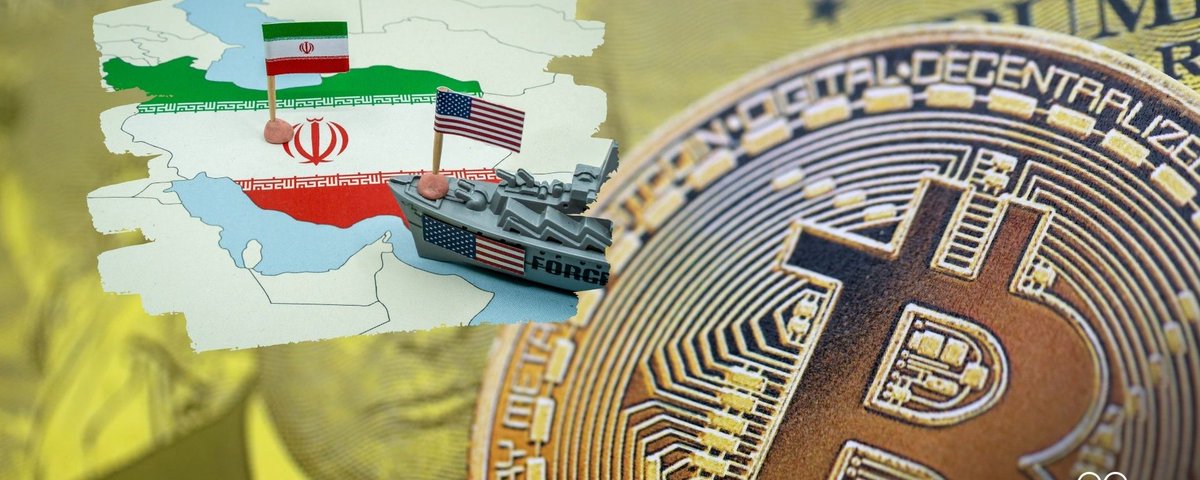
This is horseshit. Trump's war in Iran spiked the price of fuel. Just look at the data.


Bitcoinapolis: ₿= Money not S̷P̷A̷M̷ 🤓 retweeted

ᄏᄏ ᄏᄏ ᄏᄏ ᄏᄏ ᄏᄏ ᄏᄏ ᄏᄏ ᄏᄏ ᄏᄏ ᄏᄏ ᄏᄏ ᄏᄏ ᄏᄏ ᄏᄏ ᄏᄏ ᄏᄏ ᄏᄏ ᄏᄏ ᄏᄏ ᄏᄏ ᄏᄏ ᄏᄏ ᄏᄏ ᄏᄏ ᄏᄏ ᄏᄏ ᄏᄏ ᄏᄏ ᄏᄏ ᄏᄏ ᄏᄏ ᄏᄏ ᄏᄏ ᄏᄏ ᄏᄏ ᄏᄏ ᄏᄏ ᄏᄏ ᄏᄏ ᄏᄏ ᄏᄏ ᄏᄏ ᄏᄏ ᄏᄏ


Bitcoinapolis: ₿= Money not S̷P̷A̷M̷ 🤓 retweeted

A very disturbing development that destroys the narrative that Bitcoin is free from government censorship.




Bitcoinapolis: ₿= Money not S̷P̷A̷M̷ 🤓 retweeted

Big oceans of data are too easy to massage into any outcome one desires. GDP just like the lie that is CPI are terrible metrics, eventually everyone experiences the reality diverging further from the official figures

"but muh GDP"
Don't care about the metric.
Production, manufacturing and value creation is tanking but "number go up". Maybe it's because gov keeps bloating and giving themselves pay rises, which counts towards GDP.
1 in 7 on gov payroll
1 in 4 work in jobs largely funded by gov
1 in 3 receive payments from gov
My whole friend circle is small business owners and everyone is having the same conversations in private. No one wants to talk about it in public because it makes you seem weak or your business suck or like you're having a whinge.
In the last fortnight I've needed to use 3 different gov websites for compliance things (gun licence, pig pass, etc) and all 3 have been "down" when I initially jumped on. Maybe we need 1 in 4 Aussies working in gov so websites reliably work?
A better metric would be GDP per capita minus all schemes, jobs and projects that tax payers money and government debt goes towards.