

This account is no longer supported. We encourage you to “Follow” Regenstein School on Facebook and Instagram.
USA
Joined October 2011
- Tweets3.6K
- Following1.8K
- Followers1.8K
- Likes1.1K






Pinned Tweet
To help streamline content for our community, we’ve decided to remove the @PBudBurst account on X and will post information to the Chicago Botanic Garden’s Regenstein School accounts moving forward. We encourage you to “Follow” Regenstein School on Facebook and Instagram.
Happy #PhenologyFriday! This western ragweed (Ambrosia psilostachya) has started flowering in Colorado. In some locations this species can be found flowering through November!


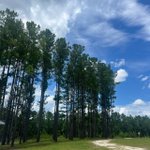
Check out these longleaf pines (Pinus palustris) observed in Georgia. The pollen cones that begin forming this July likely won't release pollen until early spring of 2025. #PhenologyFriday

Budburst retweeted

Bloom alert: It has been a spectacular year for titan arum blooms at the Garden! A fourth #corpseflower from our collection, named Oro, has bloomed and is currently on display in the Sensory Garden.


Another milkweed for #PhenologyFriday! This swamp milkweed, Asclepias incarnata, was observed in middle flowering in Massachusetts! What is flowering near you?

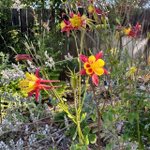
Happy #PhenologyFriday! This western columbine (Aquilegia formosa) was observed in Calfornia with all leaves unfolded and in middle flowering. Looking forward to watching that fruit ripen!

Another milkweed observation for today's #PhenologyFriday! A swamp milkweed (Asclepias incarnata) in the middle flowering phenophase reported in Illinois. This plant does well in moist soils!

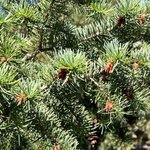
Happy #PhenologyFriday from Colorado! New needle growth can be seen on this observation of a common Douglas-fir (Pseudotsuga menziesii).

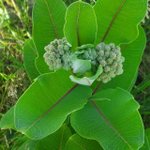
So many buds on this common milkweed (Asclepias syriaca) observed in Illinois for today's #PhenologyFriday! Keep an eye out for monarch eggs and caterpillars while making a Budburst Milkweeds and Monarchs project observation!

Check out this flowering @chicagobotanic!
Bloom alert: Sumatra is now open, and we are keeping a close eye on the still-growing Spike. Stop by the Plant Science Center to see them on display or check in on the live webcam, but make it quick –Sumatra will only bloom for 24 to 36 hours. Learn more: chgobg.org/4c4SpJ3

Happy #PhenologyFriday featuring this bumble bee observed on a flowering wild quinine (Parthenium integrifolium) in Virginia. Did you know that you can observe #pollinators and report to Budburst as well?

Happy #PhenologyFriday! All leaves have unfolded on this trembling aspen (Populus tremuloides) observed in Colorado! What seasonal changes are happening to plants near you? Let us know at budburst.org.

Check out the leaves unfolding on this red columbine (Aquilegia canadensis) for today's #PhenologyFriday! This was observed in Wisconsin at one of our partner sites, Green Bay Botanical Garden.

Budburst retweeted
Why do species go missing? It’s hard to know. That’s why collaborators from the Garden and other institutions built a tool that guides land managers through an investigation, asking why a species failed, and how to successfully reintroduce it. Learn more: chgobg.org/3vN6dZa

Budburst retweeted

She's a little floppy, but she's blooming! (And the bees don't seem to mind.) This 19-year-old American columbo in our Mountain Habitat is flowering now for the first and only time: come see!
ncbg.unc.edu/info

ALT Close up of the American columbo flowers: pale green and intricate on a tall spike

ALT The full American columbo, several feet tall
Our #PhenologyFriday is at our very own Chicago Botanic Garden! Come check out these various Malus spp. in middle flowering!

Budburst retweeted

Species Spotlight: Furbish lousewort
Status: Threatened
Blooming July - August, this plant is only found along the Saint John River in northern Maine and New Brunswick. It's flowers are small and yellow, and it's leaves look like little ferns.
ow.ly/osIc50RpbCB

ALT A slender, green flower on a long stem stands in green vegetation
Can you spot the bud on this mayapple (Podophyllum peltatum)? Today's #PhenologyFriday comes from an observer in Pennsylvania. All leaves have unfolded and we are waiting for flower buds to burst. How exciting!
