

Hampton University
Williamsburg, VA
Joined November 2014
- Tweets374K
- Following5.6K
- Followers6.1K
- Likes521K




Rodney retweeted

The Reflection Library offers resources to help you explore self-awareness, emotional wellness, relationships, boundaries, healing, and personal growth.
pathwaysofreflection.com/ref…
#ReflectionLibrary #PersonalGrowth #HealingJourney #ReflectionLeadsToTransformation

Rodney retweeted

Song of the day!
Taylor Swift - Look What You Made Me Do youtu.be/3tmd-ClpJxA?si=EQ_b… via @YouTube
#TaylorSwift #lookwhatyoumademedo #Music #Weekend #SaturdayVibes



Rodney retweeted

Don't let anyone convince you that you are behind in life. We all grow at our own pace.
Rodney retweeted

Human life is messy and raw. And often filled with far too much pain. By living kindness, we get the instant knowing that we are all on this walk of life together, and ultimately we are all heading in the same direction. So let’s guide, encourage, help and love each other 🤍🙏
Rodney retweeted

Healing doesn't have to look brave. One trembling step still counts as moving forward. 🌱#GentleHealing #KeepGoing #quotes

Rodney retweeted

Yep, I believe in staying calm and letting karma do its job...ah, that feels good! ~ #DTN #IAmSmiling #gottastaycalm


Rodney retweeted
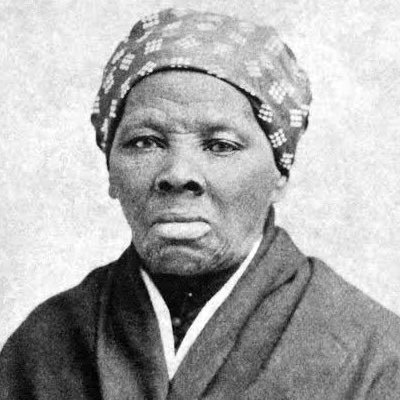
Did you know that an entire Manhattan village owned by black people was destroyed to build Central Park.
The community was called Seneca Village. It spanned from 82nd Street to 89th Street.
Long before these trees, paths, and open lawns existed, this land was home to Seneca Village—a thriving community founded in 1825 by free Black Americans. Located between what we now know as West 82nd Street and West 89th Street, Seneca Village was a place of stability, ownership, and independence during a time when those things were deliberately denied to many.
Families here owned their homes. They built churches, a school, and created a close-knit neighborhood where children were educated and adults exercised civic rights. Property ownership in Seneca Village even allowed Black men to vote, granting a level of political voice that was rare in New York at the time. Later, Irish immigrants also became residents, making it one of the city’s earliest racially integrated communities.
In the 1850s, the land was taken to make way for Central Park. Entire households were forced to leave. Homes were torn down. A living community disappeared so a public space could rise in its place.
Today, millions walk through this park unaware of what once existed beneath their feet. This image is more than a scenic view—it marks a place where lives were built, futures were shaped, and a community once stood proud.


