
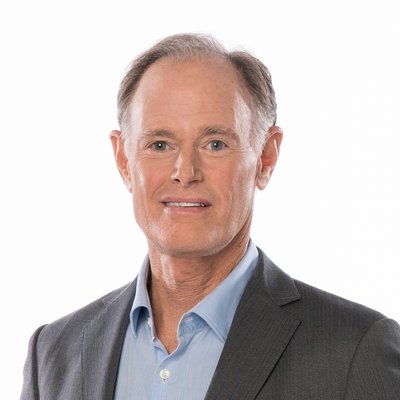
Board-Certified Neurologist | Harvard CME Faculty | 7x NYT bestselling author Empowering you to take control of your brain health.
Naples, Florida, USA
Joined July 2009
- Tweets13.2K
- Following120
- Followers82.5K
- Likes5.3K


Pinned Tweet
Today, Brain Defenders is officially available.
After more than 40 years of research, clinical experience, and asking different questions about Alzheimer’s disease, this book feels like the culmination of everything I’ve learned about protecting cognitive health for the long term. I truly believe it’s some of the most important work I’ve done.
Your brain’s future is not predetermined. You have more agency over your cognitive health than you may have been led to believe.
I hope you’ll join me for this next chapter in protecting your brain.
Order your copy: braindefenders.com/

Alzheimer's prevention deserves just as much attention as Alzheimer's treatment.
I recently spoke with Natural Awakenings Dallas Metroplex Magazine about my book, Brain Defenders, and the role of metabolic health, inflammation, and the brain's immune system.
Read more: nadallas.com/2026/10/30/5880…

Normal blood sugar doesn't necessarily mean optimal blood sugar.
Even slightly elevated levels may signal metabolic dysfunction, which can affect your brain, heart, and overall health.
Ask your doctor about checking your fasting glucose, A1c, and insulin levels.
Fasting insulin can reveal important clues about metabolic and brain health.
Inside the Brain Defenders Immersion Course, I break down the markers I pay attention to and how to put that information into action.
Learn more: drperlmutter.com/immersion-c…
David Perlmutter, MD retweeted

The everyday drink Dr David Perlmutter calls the number one source of polyphenols.
@DavidPerlmutter
David Perlmutter, MD retweeted
Dr David Perlmutter on whether carrying the APOE4 gene means you're destined to get Alzheimer's.
@DavidPerlmutter
David Perlmutter, MD retweeted
Dr David Perlmutter on what happens in your brain after just one night of poor sleep.
@DavidPerlmutter
David Perlmutter, MD retweeted
Dr David Perlmutter's patient had lifelong headaches until one six-week experiment.
@DavidPerlmutter
This wasn’t part of my neurology training.
A new study in France is investigating whether red light therapy could influence symptoms of Parkinson’s disease. It may sound unconventional, but there is a biological reason researchers are interested in what light might be capable of doing inside the brain.
The connection involves mitochondrial function, cellular energy, and microglia, the brain’s resident immune cells, all of which have important implications in Parkinson’s disease.
This is exactly the kind of research I’ll be watching closely.
Sleep is brain maintenance.
During sleep, the brain supports memory consolidation, cellular repair, and the clearance of metabolic waste. Disrupted sleep is associated with an increased risk of cognitive decline.
Want to better understand the lifestyle factors influencing your brain health?
Take my free assessment and discover where you can begin making meaningful changes: drperlmutter.com/the-brain-d…
The best olive oil might make you cough.
That peppery sensation from a high-quality extra virgin olive oil can be a sign of beneficial polyphenols, including oleocanthal.
I explore more about the connection between diet and dementia risk with @austinperlmd here: youtu.be/EFEeP4s4t9A

What if some of the most powerful tools for protecting the brain aren’t found in a pharmacy at all?
On my latest episode of The Empowering Neurologist, I’m joined by Dr. Jed Fahey, the nutritional biochemist whose research helped put sulforaphane on the map.
We explore why this compound from cruciferous vegetables is so biologically potent, how it may influence the brain’s immune cells, and what decades of research actually show once you separate the science from the hype. youtu.be/JT9JnimiYjE

Normal blood sugar doesn't always mean you're metabolically healthy.
Your pancreas may be working overtime to keep glucose levels in check.
That's why I recommend checking fasting insulin alongside fasting glucose. It can help identify insulin resistance before blood sugar rises.
David Perlmutter, MD retweeted

What a week at @EudemoniaSummit!
Podcasts. Panels. Brain mapping. Donating bodily fluids to science. And I was touched my talk ended up standing room only. I had a blast, and hope you all did too. ❤️
One of the greatest joys of building StayCurious Metabolism has been connecting with so many of you.
And this week, I had the pleasure of turning some of those online connections into real-life friendships.
The community is exploding. And the curiosity is contagious. Grateful for every one of you.
#StayCurious! This is only the beginning
An extra-special thanks to one of my best friends in the world, @realDaveFeldman. And @reallyoptimized, for being an absolute joy. @drwilliamli and @DavidPerlmutter for being incredible podcast hosts; and the amazing members of my team who joined me, lifted me up, and supported me throughout this event @Flinndustries and Athena Nash. Some of them also helped me navigate a few personal rough patches that I won't get into here, but their kindness and support meant more than they know. I'd be nothing without my friends, family, and this incredible community. Truly grateful for all of you. ❤️

David Perlmutter, MD retweeted
What's the value of living longer if we lose the memories that make life meaningful?
We talk so much about longevity.
But living longer also means thinking about the quality of those extra years.
Neurologist Dr David Perlmutter explained why the habits we build today can influence our brain health later in life, including our risk of Alzheimer's.
It's a reminder that when we think about living a long life, we should also be thinking about the kind of life we'll be able to live.
Out now on all platforms ❤️👊🏾
Olive oil is a staple in my kitchen, but how you cook with it matters.
Excessive heat can damage its beneficial compounds. I prefer cooking with olive oil at low temperatures, well below its smoke point, to help preserve its health benefits.
Your diet is one of your most powerful defenses against a toxic environment.
On this week's episode of The Empowering Neurologist, I'm joined by Dr. Jed Fahey. We explore how these plant compounds interact with our biology, why environmental exposures deserve greater attention, and what this research could mean for long-term health in a world where neurological diseases like Alzheimer's and Parkinson's are increasingly prevalent.
youtu.be/JT9JnimiYjE
You won’t find fruit juice in my kitchen.
The sugar in fruit juice is largely fructose, in much the same ratio you would find in soda.
Fructose is handled almost entirely by the liver, where metabolizing it generates uric acid. Elevated uric acid is associated with insulin resistance and higher blood pressure, which both shape the brain’s long-term trajectory.
Reason enough to reconsider what is in your fridge.
Pickleball may benefit your brain in ways you haven't considered.
Exercise supports BDNF, a protein involved in neuron health and brain plasticity. Add in strategic thinking, coordination, and social connection, and pickleball becomes more than just physical activity.
drperlmutter.com/pickleball-…
