

Foresight Analytics is a leading provider of evidenced based investment consulting, data analytics, research and diligence solutions to global investors.
- Tweets772
- Following1.8K
- Followers357
- Likes712

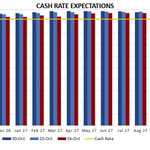





ALT A heavy U.S. data calendar, including unit labour costs, the employment cost index, job openings, jobless claims, and trade data, will help assess whether labour weakness is deepening. Treasury markets face sizeable supply with auctions across the 3-, 10- and 30-year maturities. Other major central banks are also in focus. The Bank of Canada is expected to leave rates unchanged at 2.25% after strong GDP and employment figures, though some analysts flag scope for easing in 2026. In Latin America, Brazil may begin lowering its 15% Selic rate as early as January, depending on upcoming inflation data, while Mexico reports inflation numbers Tuesday. In Europe, a light data week centres on revised CPI prints for Germany, France, and Spain, as well as Italy’s industrial production. Analysts argue that Europe’s economic “resilience” in 2025 sets the stage for a gradual pickup across 2026–27. The U.K. releases GDP, industrial production, trade data and the RICS housing survey, with expectation


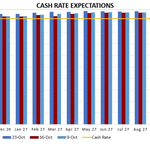
ALT Weekly overview of the Bond Markets Doubts around a December Federal Reserve rate cut intensified as Minneapolis Fed President Neel Kashkari revealed he did not support the last rate cut and remains undecided about the next move. Kashkari said recent data show underlying economic resilience, arguing that the October cut may have been premature. For December, he said he can “make a case to cut” or “a case to hold,” depending on incoming data. His comments add to a growing chorus of Fed officials expressing scepticism about further cuts this year. Markets have taken notice. The probability of a December cut has fallen to around 50%, down from nearly 100% before the Fed’s October meeting, as investors react to increasingly hawkish commentary. While Kashkari does not vote this year, he participates in FOMC debates and reflects a wider divide within the central bank.


