
Internet Pioneer and Professor at ETSIT-UPM still trying to change the world: entrepreneurship, open content, MOOCs, new Internet services/tools
Madrid, Spain
Joined March 2007
- Tweets5.2K
- Following2.5K
- Followers2.5K
- Likes705




Juan Quemada retweeted

רבים לא יודעים שלארי אליסון, מייסד אורקל, הוא המנטור של מאסק בחיים, וגם חבר ותיק שלו כבר שנים רבות. החזקה האישית של אליסון בטסלה הייתה בשיאה השנייה בגודלה רק לזו של מאסק עצמו. אליסון גדול ממאסק ב־27 שנה, והיה החבר הכי טוב של ג'ובס בחייו. בעיניו, מאסק וג'ובס הם מאותו סוג של אנשים, עם אובססיה לטפל בבעיה מסובכת ולהתעקש עד הסוף.
ב־2012 הוציא אליסון 300 מיליון דולר וקנה כמעט את כל האי לנאי שבהוואי. בשנים האחרונות הוא גר באי רוב הזמן, וכשמאסק נתקל בעניין גדול, הוא לעיתים קרובות טס לאי שלו כדי להתייעץ איתו. הפעם הראשונה שזרים גילו עד כמה השניים קרובים הייתה ב־2018, השנה הקשה ביותר של מאסק. באותה שנה לא הצליחו לייצר בזמן את המכונית החדשה של טסלה, מודל 3, ומאסק עבד 120 שעות בשבוע. כשהוא נרדם, הוא ישן במפעל, וגם ביום הולדתו ה־47 הוא עבד בחברה יום שלם. באוגוסט הוא פרסם עוד ציוץ שבו אמר שהוא מתכוון להפריט את טסלה, והכסף כבר מוכן. אבל למעשה, התנאים הכספיים עדיין לא סוכמו כלל, והוא נתבע על ידי רשות ניירות הערך. בסוף הוא שילם קנס של 20 מיליון דולר, וגם איבד את תפקידו כיו״ר טסלה.
חודשיים אחר כך אליסון הצטרף לדירקטוריון של טסלה, עם 3 מיליון מניות בידיו, בשווי של כמיליארד דולר, והפך לבעל המניות הפרטי עם ההחזקה הגדולה ביותר אחרי מאסק. ארבע שנים אחר כך, כשמאסק קנה את טוויטר, שוב היה זה אליסון שקם לעזור לו.
מבחינתו של מאסק, טוויטר כבר הייתה למעשה הכיכר הציבורית הגדולה של העולם כולו, אבל הצנזורה על התוכן בה הלכה והחמירה, והיא סטתה מעקרון חופש הביטוי. לכן הוא החליט לקנות את טוויטר כולה. אבל זה דרש 44 מיליארד דולר, ורוב הכסף שלו היה במניות טסלה. במזומן הוא פשוט לא היה מסוגל לעמוד בזה, אז הוא נאלץ לחפש בנקים שילוו לו כסף, ובמקביל לחפש אנשים שיצטרפו להשקעה. קודם הוא שאל את אחיו ג'ימבל, וג'ימבל ייעץ לו לא להסתבך בבלגן של טוויטר, ושעדיף לו להקים פלטפורמה חדשה. לכן הוא לא הסכים.
אז הוא שלח הודעת טקסט לאליסון, ואליסון ענה לו מיד: בטח, אין בעיה. מאסק שאל אותו כמה הוא יכול להשקיע, והוא אמר: מיליארד דולר, או שתגיד לי סכום. בסוף אליסון באמת השקיע מיליארד דולר.
מצחיק, אבל אליסון בכלל לא משתמש בטוויטר. כבר 10 שנים שהוא לא פרסם ציוץ, והוא אפילו שכח את הסיסמה של החשבון שלו בטוויטר. בסוף מאסק עצמו עזר לו לאפס אותה..

Juan Quemada retweeted

While FSD v15 has everyone buzzing, Elon quietly dropped a curious yet contradictory comment about Starship’s Flight 15 🔥
Everyone knows Starship is already made of steel. So why does @elonmusk think MORE steel could help it get back into space faster? 🔥
His idea is to replace the ablative protection scraped away during Ship 42’s catch with woven stainless steel matting that could survive the contact without needing repairs between flights.
But surviving the chopsticks is only part of the job. The material also has to keep reentry heat from weakening the steel structure underneath, long before it gets hot enough to melt.
🦾 The catch scraped away some of the protection
Close-up footage of Ship 42 settling into the tower showed ablative protection peeling away as the chopsticks contacted its sides.
Two small structural fittings, one on each side, support the spacecraft’s weight. Ars Technica described them as nubs sticking out only about a foot.
As those fittings settle onto the tower’s support surfaces, the arms also come close to the protection around the contact area.
Ablative material handles heat partly by sacrificing itself through processes such as decomposition and erosion. How much remains usable afterward depends on the heating and material loss it experiences.
The catch adds mechanical scraping to that thermal exposure.
SpaceX needs this protection to make it through atmospheric return and still be ready for another flight after the tower receives the ship.
Elon previously said the scraped material would be replaced with stainless steel wool on future flights.
Now he has identified woven stainless steel matting on the ship itself and explained the structural constraint behind that choice.
🔥 Steel can lose strength long before it melts
Elon explained: “Unlike the booster, we need something there to keep the ship primary structure below its annealing temperature.”
Steel doesn’t have to melt to undergo lasting changes in strength.
Cold working can strengthen metal by permanently deforming it through processes such as rolling.
Enough heat can reverse some of that strengthening through annealing. The metal’s microstructure changes, potentially reducing the stress it can withstand before permanently deforming.
Cooling it back down does not automatically restore that strength.
A spacecraft can therefore come home with an intact-looking structure whose mechanical properties have changed. Engineers need the structure to retain the strength required for the next mission, too.
Elon’s comparison indicates that Super Heavy’s catch area does not need the same thermal barrier. Starship’s return from orbit exposes it to much more demanding heating.
The ship needs protection that limits heat reaching its load-bearing structure and can then take contact with the tower during recovery.
🧵 How can woven steel help protect a steel spacecraft?
A solid steel plate and a porous mat of fine steel wires can conduct heat very differently.
Heat moving through a woven mat encounters a network of wires and contacts. Wire size, weave, thickness, and contact between layers all influence how readily heat passes through it.
The geometry can reduce heat conduction through the mat’s thickness compared with a continuous piece of solid metal.
The matting also has a different job from the hull underneath.
As a separate protective layer, it may be able to tolerate heating that would compromise the hull’s required strength. It still needs enough mechanical integrity to stay attached and hold up through flight and capture.
Even compression matters. Squeezing the mat changes its thickness and the contacts between wires, which can change its thermal performance.
SpaceX would need the material to keep doing its thermal job while tolerating the mechanical contact of repeated catches.
🛞 Why not put wheels on the tower?
Mounting wheels on the tower would keep their weight off Starship, and Elon said wheels were worth considering.
They could reduce sliding contact and scraping during capture. But those wheels would stay at Starbase while Starship flies through the atmosphere.
The thermal protection has to make the trip with the spacecraft.
A gentler tower interface would still leave a need for protection on the ship itself. Wheels and improved onboard material could complement each other.
Reducing the work between flights is exactly what Elon has been discussing since Ship 42 came home.
After personally inspecting its heat shield, he estimated the spacecraft could probably fly again after a few weeks of refurbishment.
Immediate, airplane-like reuse sets a much higher bar. He said many small fixes were still needed to reach “zero expected refurbishment, apart from scheduled maintenance.”
Woven matting could be one of those fixes, removing a repair job between missions and leaving the same protection ready to fly again.

Juan Quemada retweeted

حين دار الفينيقيون حول أفريقيا بأمر الفرعون
في سنة ٦٠٠ قبل الميلاد تقريباً، وقف الفرعون نخاو الثاني على ضفاف النيل، يتأمل السفن الفينيقية الراسية أمامه. كان يحلم بما لم يجرؤ عليه ملوك مصر قبله: معرفة أين تنتهي أفريقيا، وما إذا كان البحر يطوّقها من كل جانب.
استدعى ربابنة صور وصيدا، وقال لهم: «أريدكم أن تبحروا جنوباً، حتى نهاية الأرض، ثم تعودوا إليّ من حيث تغرب الشمس».
أبحرت السفن من البحر الأحمر، تحمل المؤن والمياه وبذور القمح. وعلى امتداد السواحل الأفريقية، واجه البحارة رياحاً غريبة، وأمواجاً شاهقة، وشعوباً لم يعرفوا لغاتها. وكلما حلّ موسم الزراعة، نزلوا إلى اليابسة، بذروا الحبوب وانتظروا الحصاد، ثم استأنفوا رحلتهم.
ومضت السنوات، حتى بلغوا بحاراً باردة عند أقصى الجنوب. وهناك حدث ما حيّرهم: حين أبحروا غرباً، أصبحت الشمس تظهر عن يمينهم، خلافاً لما اعتادوه في البحر المتوسط.
قال أحد البحارة: «لقد تجاوزنا حدود العالم الذي نعرفه».
وفي السنة الثالثة، ظهرت أمامهم أعمدة هرقل، فعبروا المضيق إلى البحر المتوسط، وعادت سفنهم أخيراً إلى مصر.
وقفوا أمام الفرعون، بوجوه أحرقتها الشمس، ورووا له حكاية قارة طافوا حولها كاملة.
لم يدرك العالم يومها عظمة ما حدث. وبعد قرنين تقريباً، دوّن هيرودوت روايتهم، مستغرباً حكاية الشمس التي ظهرت عن يمينهم.
لكن تلك الملاحظة بالذات ستصبح لاحقاً من أقوى القرائن الجغرافية على صدق رحلتهم.
وهكذا، قبل أكثر من ألفي عام من عصر الاكتشافات الأوروبية، كان بحارة فينيق قد أبحروا حول أفريقيا وعادوا.
رواية أدبية مستوحاة من رواية هيرودوت في «التواريخ»، الكتاب الرابع، الفقرة 42.
Juan Quemada retweeted

1/12 🧵La entrevista de Carlos Franganillo a Pedro Sánchez en Informativos Telecinco no generó un debate en X, sino dos conversaciones paralelas sobre dos protagonistas distintos. He analizado 6.284 tuits publicados entre el 16 y el 17 de noviembre
Abro hilo 👇👇👇👇

Juan Quemada retweeted

NEW Radiocarbon dating indicates southern Iberia was a major copper-producing hub of the Late Bronze Age, supplying communities as far away as Scandinavia and possibly rivalling better-studied European copper sources.
A far-reaching #AntiquityThread 1/13 🧵

ALT Map of southern Iberia, annotated with the locations of prehistoric mining activity.
Juan Quemada retweeted

Japonya bugün dünyanın süper gücü olabilirdi. 1985'te yapılan bir hata her şeyi değiştirdi.
1985'te Japonya dünyanın fabrikasıydı.
Amerikan şirketleri Japon rakipleriyle rekabet edemiyordu.
Otomotivde, elektronikte, yarı iletkenlerde. Japonya her sektörde öndeydi.
Dünyanın en büyük 10 bankasının 7'si Japondu.
Japon şirketler Amerikan gayrimenkullerini satın alıyordu. Rockefeller Center bir Japon şirkete satıldı. Amerika'da Japonya karşıtlığı doruk noktasına ulaşmıştı.
Tıpkı bugünkü Çin gibi.
Bugün Çin'in yaptığı her şeyi o dönem Japonya yapıyordu. Daha ucuz üretiyordu. Amerikan pazarını ele geçiriyordu.
Sonra bir anlaşma imzalandı. Japonya'nın parası güçlendirildi. İhracat bir anda çöktü.
Buraya kadar çoğu kişi biliyor. Ama asıl hikaye bundan sonra başlıyor.
Japonya üretmeyi bıraktı.
Merkez bankası ekonomiyi kurtarmak için faizi sıfıra indirdi. Japonya'nın gücü üretimden geliyordu ama artık üretim kâr etmiyordu.
Para güçlü, ürünler pahalı, müşteri azalmış.
Şirketler üretmek yerine finansal mühendisliğe yöneldi. Gayrimenkule yatırdı. Borsaya yatırdı. Spekülatif varlıklara yatırdı.
Fabrikalar boşalmaya başladı. Üretim daha ucuz ülkelere taşındı.
Normalde kâr edemeyen bir şirket batar. Batması gereken şirket batarsa kaynaklar yeni şirketlere gider. Ekonomi yenilenir.
Japonya bunu yapmadı.
Batması gereken şirketleri ayakta tuttu. Bankalar kötü kredileri silmek yerine sakladı. Kâr etmeyen şirketlere kredi vermeye devam etti.
Bu şirketler üretmiyordu. Büyümüyordu. Ama batmıyordu.
Ekonominin kaynakları yeni şirketlere gitmek yerine bu ölü şirketleri yaşatmak için harcandı.
Bu seçim onlarca yıla mal oldu.
Japonya artık üreten ülke değildi. Borç veren ülkeye dönüşmüştü.
Dünya Japonya'dan sıfır faizle yen borç aldı. Bu parayı ABD tahvillerine, Amerikan borsasına, başka ülkelerin varlıklarına yatırdı. Dünyanın en büyük fonları bunu yaptı.
Japonya'nın parası Japonya'da kalmadı. Başkalarını zenginleştirdi.
Üreten ülke zenginleşir. Para içeride kalır, istihdam yaratır, teknoloji geliştirir.
Borç veren ülkenin parası dışarı akar, başkalarını zenginleştirir.
1985'te dünyanın 2. büyük ekonomisiydi. 2024'te Almanya geçti, 4.'ye düştü. 2026'da Hindistan geçiyor, 5.'ye düşüyor.
Japonya'nın potansiyeli devasa idi. Üretim gücü, teknolojisi, disiplini vardı. Bu potansiyelle bugün dünyanın süper gücü olabilirdi.
Ama üretmeyi bıraktı.
Üretmeyi bırakan ekonomi ayakta kalamaz.
Japonya bunun en büyük kanıtı.
Sen bu konu hakkında ne düşünüyorsun?


Juan Quemada retweeted
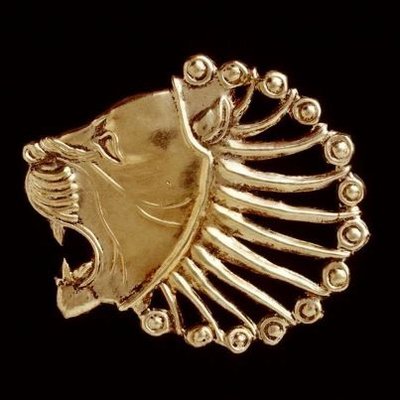
The mysterious fog of AD 536 was a massive, stratospheric dust and aerosol veil that plunged Europe, the Middle East, and parts of Asia into nearly 18 months of continuous darkness and extreme cold, widely considered by historians like Michael McCormick to be the start of "the worst year to be alive"...
Historical records indicate that the sun appeared dim and bluish, casting no clear shadows, and temperatures dropped significantly. This climatic event, now understood to be the result of a massive volcanic eruption—likely in Iceland—released vast amounts of ash and aerosols into the atmosphere, blocking sunlight for over a year. Ice core samples and tree ring studies support this theory, providing evidence of a dramatic climate shift and marking 536 AD as one of the coldest periods in millennia.
. . .
In 536 AD, a mysterious fog enveloped Europe, the Middle East, and parts of Asia, plunging the world into darkness and triggering what has been described as a "volcanic winter."
Scientific analyses of tree rings, ice cores, and historical records point to a massive volcanic eruption—or a series of synchronous volcanic events—that injected huge amounts of sulfur dioxide, ash, and silicate particles into the upper atmosphere. Research highlights major eruptions originating from Iceland, North America, or tropical regions (such as Krakatoa or an unidentified tropical volcano) in early AD 536, with follow-up eruptions in 539–540 and 547 that prolonged the cooling. The aerosols formed a persistent stratospheric sulfur haze that reflected and scattered sunlight, drastically reducing solar radiation reaching the Earth's surface.
Summer temperatures dropped by up to 1.5 °C to 2.5 °C (or even more locally), kicking off the coldest decade in 2,000 years and initiating the Late Antique Little Ice Age (536–660). Contemporary chroniclers (such as Procopius in the Byzantine Empire) noted that the sun gave off a dim, bluish, or lightless glow, casting no shadows at noon and making the sky look perpetually overcast or foggy. Frosts lingered through the summer months, and snow fell out of season across parts of Europe and China.
The consequences of this event were devastating. Agricultural production collapsed, leading to widespread famine and societal upheaval across regions. Millions died from famine and social upheaval. The crisis was compounded by the outbreak of the Justinian Plague, which followed shortly after, further exacerbating the human toll. The weakened, malnourished population became deeply vulnerable to disease, paving the way for the devastating outbreak of the first bubonic plague pandemic in AD 541, which wiped out a massive portion of the population in the Byzantine Empire and beyond. This combination of climatic and epidemiological disasters had profound impacts on populations, economies, and empires. Modern research continues to unravel the scale of this event, highlighting it as a pivotal moment in global history with far-reaching consequences.
#drthehistories
🤖 Made with AI

Juan Quemada retweeted

En 2003, una tormenta abrió un agujero delante de una pirámide de Teotihuacan. Debajo había un túnel que alguien había sellado con rocas hace unos 1.800 años con 50.000 objetos, charcos de mercurio líquido y ninguna tumba. Es el Proyecto Tlalocan. Tira del hilo 🧵👇🏽👇🏽👇🏽

Juan Quemada retweeted

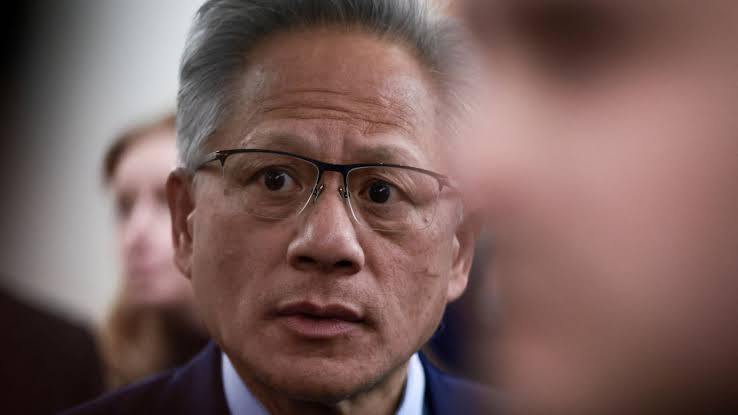
全网都在关心老黄到底睡了几个,但真正让华尔街后背发凉的,根本不是裤裆里那点事,而是这起黑天鹅撕开的三个残酷真相:$NVDA
第一个真相:为什么董事会敢在96小时内,把硅谷唯一的“造物主”扫地出门?
很多人想不通:老黄一手创办英伟达33年,把一家做显卡的小作坊干成万亿帝国,怎么说踢就踢? 去翻一下英伟达的公司章程就懂了——老黄死在了自己的“现代企业美德”上。
英伟达没有AB股(双重股权结构),黄仁勋手里只有个位数百分比的股份和投票权。按章程,董事会11名董事,只要6个人举手,就能直接罢免CEO,甚至不需要任何理由。
对比一下隔壁Meta:扎克伯格死死攥着超级投票权,同样的丑闻如果发生在小扎身上,董事会连他的皮毛都动不了。
创始人不设AB股,顺风顺水时叫“治理透明的美德”,一旦出事,就是被人一剑封喉的“命门”。 11月8日董事会还在喊“完全信任”,4天后直接6票过半斩草除根,连董事席位都没给他留。
第二个真相:老黄出局,最先断粮的可能是国内的AI算力。
很多人还在猜谁接班(顺便辟个谣:昨天疯传的Jay Puri今年6月就退休了,连8-K文件都没有的假消息别再传了),但对中文圈来说,真正致命的暗雷在华盛顿。
过去几年,顶着巨大的政治压力在华盛顿来回游说、替对华芯片销售撕开裂缝的,主要就是黄仁勋本人。
现在他倒了,国会正在借题发挥,推动在今年的《国防授权法案》(NDAA)里塞进一批极其严苛的先进AI芯片出口限制条款。
老黄留下的这个游说真空,临时顶上的CFO克雷斯补不上,未来的新CEO更不敢碰。我的个人判断:在国安调查的阴影下,英伟达对华特供芯片的窗口,大概率要彻底焊死了。
第三个真相:英伟达正在滑向“2018年的英特尔时刻”。
过去十年,美股有两家巨头因为CEO职场私生活换帅,结局天差地别:
▪️ 2019年麦当劳赶走Easterbrook,股价照样涨——因为卖汉堡不需要技术信仰,谁当CEO都能转;
▪️ 2018年英特尔赶走Krzanich,让CFO临时接盘,结果技术路线一路崩盘,直接错失整个移动与AI时代。
不幸的是,英伟达是比英特尔更极端的“技术独裁”公司。
5天后(11月17日)就是Q3财报夜,这是没有黄仁勋的第一个夜晚。纯财务出身的克雷斯要独自面对华尔街的拷问:
董事会什么时候能选出懂技术的掌舵人?
失去灵魂人物后,下季度指引会不会下调?
微软、Meta这些超级大客户有没有动摇?
有人问老黄会不会像1997年的乔布斯、或者去年的奥特曼一样杀回来?
别做梦了。
哪怕路透社说绝大多数员工盼他留任,哪怕他还是第四大股东,但这次背着国家安全相关的调查,性质已经彻底变了。
皮衣封存,那个一人决定全球算力走向的时代,真的结束了。 11月17日的财报夜,大家系好安全带。

Juan Quemada retweeted

马斯克早在2018年就曾宣布,特斯拉将不再用英伟达的芯片,他自己造的芯片,每秒处理的画面是英伟达的十倍。
结果没过几年,他就怂了,到处抢英伟达的显卡,说这东西比毒品还难买😂
还跟甲骨文的埃里森一起约黄仁勋吃饭,俩人饭桌上一直求黄仁勋多收自己点钱😂
那时候特斯拉车上跑自动驾驶的,是英伟达的通用芯片。
马斯克觉得它处理摄像头画面不够快,就让团队自己造一颗专门跑神经网络的芯片,芯片还没量产,他就说速度能是原来的十倍。
黄仁勋听说以后,客气地说了一句,做芯片难,在芯片上把整套软件做起来更难,要是特斯拉没成,随时给他打电话。
马斯克当晚发推回应,说英伟达的硬件很棒,他非常尊重黄仁勋,只是特斯拉的需求太特殊。
第二年芯片量产,装进了特斯拉的新车,马斯克在发布会上说,一家从没造过芯片的公司,造出了世界上最好的芯片,还在大屏幕上拿英伟达的芯片来比。
英伟达第二天就发文章,说他比错了对象😂
车上的芯片有了,马斯克又盯上了训练这一步。
自动驾驶的神经网络,得先拿海量行车视频在数据中心里训练出来,这一步特斯拉还在用英伟达的显卡,马斯克就让团队再造一台训练用的超级计算机,起名叫Dojo。
可Dojo还没派上用场,马斯克又在2023年成立了xAI,要做自己的AI大模型。
这要成千上万块显卡,全世界的公司都在抢英伟达,马斯克才发现,这玩意比毒品还难买😂
为了多拿到显卡,他和埃里森一起跟黄仁勋吃了顿饭,两个人一整顿饭都在求黄仁勋收下他们的钱,还嫌他收得不够多😂
显卡到手以后,2024年夏天,马斯克在孟菲斯把10万块英伟达显卡连成一台超级计算机,从装机到开始训练只用了19天,开跑以后还专门发推感谢英伟达。
黄仁勋说,这种工程别人一般要花四年,这是超人才干得出来的事。
又过了一年,马斯克亲手关掉了Dojo,说它已经是进化上的死胡同。

Juan Quemada retweeted
Steven Spielberg no planeó E.T. para niños, sino como una violenta película de terror donde alienígenas asediaban a una familia en una granja aislada. Durante el rodaje de Indiana Jones, decidió cambiar la sangre por un cuento sobre el divorcio infantil. Tira del hilo 🧵👇🏽👇🏽👇🏽

Juan Quemada retweeted

Japonya bugün dünyanın süper gücü olabilirdi. 1985'te yapılan bir hata her şeyi değiştirdi.
1985'te Japonya dünyanın fabrikasıydı.
Amerikan şirketleri Japon rakipleriyle rekabet edemiyordu.
Otomotivde, elektronikte, yarı iletkenlerde. Japonya her sektörde öndeydi.
Dünyanın en büyük 10 bankasının 7'si Japondu.
Japon şirketler Amerikan gayrimenkullerini satın alıyordu. Rockefeller Center bir Japon şirkete satıldı. Amerika'da Japonya karşıtlığı doruk noktasına ulaşmıştı.
Tıpkı bugünkü Çin gibi.
Bugün Çin'in yaptığı her şeyi o dönem Japonya yapıyordu. Daha ucuz üretiyordu. Amerikan pazarını ele geçiriyordu.
Sonra bir anlaşma imzalandı. Japonya'nın parası güçlendirildi. İhracat bir anda çöktü.
Buraya kadar çoğu kişi biliyor. Ama asıl hikaye bundan sonra başlıyor.
Japonya üretmeyi bıraktı.
Merkez bankası ekonomiyi kurtarmak için faizi sıfıra indirdi. Japonya'nın gücü üretimden geliyordu ama artık üretim kâr etmiyordu.
Para güçlü, ürünler pahalı, müşteri azalmış.
Şirketler üretmek yerine finansal mühendisliğe yöneldi. Gayrimenkule yatırdı. Borsaya yatırdı. Spekülatif varlıklara yatırdı.
Fabrikalar boşalmaya başladı. Üretim daha ucuz ülkelere taşındı.
Normalde kâr edemeyen bir şirket batar. Batması gereken şirket batarsa kaynaklar yeni şirketlere gider. Ekonomi yenilenir.
Japonya bunu yapmadı.
Batması gereken şirketleri ayakta tuttu. Bankalar kötü kredileri silmek yerine sakladı. Kâr etmeyen şirketlere kredi vermeye devam etti.
Bu şirketler üretmiyordu. Büyümüyordu. Ama batmıyordu.
Ekonominin kaynakları yeni şirketlere gitmek yerine bu ölü şirketleri yaşatmak için harcandı.
Bu seçim onlarca yıla mal oldu.
Japonya artık üreten ülke değildi. Borç veren ülkeye dönüşmüştü.
Dünya Japonya'dan sıfır faizle yen borç aldı. Bu parayı ABD tahvillerine, Amerikan borsasına, başka ülkelerin varlıklarına yatırdı. Dünyanın en büyük fonları bunu yaptı.
Japonya'nın parası Japonya'da kalmadı. Başkalarını zenginleştirdi.
Üreten ülke zenginleşir. Para içeride kalır, istihdam yaratır, teknoloji geliştirir.
Borç veren ülkenin parası dışarı akar, başkalarını zenginleştirir.
1985'te dünyanın 2. büyük ekonomisiydi. 2024'te Almanya geçti, 4.'ye düştü. 2026'da Hindistan geçiyor, 5.'ye düşüyor.
Japonya'nın potansiyeli devasa idi. Üretim gücü, teknolojisi, disiplini vardı. Bu potansiyelle bugün dünyanın süper gücü olabilirdi.
Ama üretmeyi bıraktı.
Üretmeyi bırakan ekonomi ayakta kalamaz.
Japonya bunun en büyük kanıtı.
Sen bu konu hakkında ne düşünüyorsun?


Readers added context they thought people might want to know
Bu paylaşım @ThePenguinBTC'nin 17 Nisan 2026'daki metin ve görsellerinin birebir kopyasıdır. Kaynak belirtilmemiştir.
x.com/ThePenguinBTC/…
x.com/MuratBeyBorsaa…
Juan Quemada retweeted

Maya dentists were not just decorating teeth
The strongest evidence that Maya dentistry was medical is not the stone. It is the glue.
Chemical analysis of the cement holding these inlays in place has identified around 150 organic compounds, among them pine resin, essential oils from mint-family plants and compounds derived from Salvia. Several are antibacterial. Several are anti-inflammatory.
Whoever mixed that cement was doing considerably more than sticking a gem to a tooth.
The practice runs through the Maya Classic period, roughly AD 250 to 900, which puts the teeth we study between about 1,100 and 1,800 years old. More than half of adults had inlays at the height of it.
There is a second finding worth knowing. A study published in November 2025 examined three inlaid teeth in Guatemala and found jade set into the teeth of children as young as seven, with the pulp undamaged and no natural decay present.
Whatever these inlays meant, some people were receiving them long before adulthood.

Juan Quemada retweeted
En 1978, Ridley Scott no encontraba a nadie capaz de encarnar a la bestia de Alien sin parecer un hombre disfrazado de monstruo barato, hasta que un diseñador descubrió en un bar de Londres a un estudiante nigeriano de 2,08 metros: Bolaji Badejo. Tira del hilo 🧵👇🏽👇🏽👇🏽

Juan Quemada retweeted
En 1982, Blade Runner fue un fracaso absoluto en taquilla que destrozó la paciencia de Ridley Scott y casi arruina a sus inversores. Lo que nadie se imaginaba es que resucitaría gracias al nacimiento de los videoclubs y las copias pirata en VHS. Tira del hilo 🧵👇🏽👇🏽👇🏽

Juan Quemada retweeted

In 321 BC, the general Ptolemy I Soter hijacked Alexander the Great’s extravagant funeral procession in Syria, diverting his body to Egypt to legitimize his own rule and spark the First War of the Successors...
Alexander the Great died in Babylon in 323 BC without a clear heir. His imperial regent, Perdiccas, wanted to transport Alexander’s body back to Macedonia to bury him with his royal ancestors at Aegae, which would cement Perdiccas's supreme power over the empire. It took two years to build a massive, gold-adorned funeral carriage pulled by 64 mules draped in golden bells and jeweled collars.
. . .
As the dead king rode home on a golden carriage drawn by sixty-four mules, each wearing a gilded crown and two gold bells.
Ptolemy conspired with Arrhidaeus (general commanding the cortege) to intercept the slow-moving convoy as it traveled through the Levant/Syria. When Perdiccas found out and sent a light-armed task force to chase them down, Ptolemy met the procession near Damascus with a heavily armed mercenary army to block Perdiccas and claim the body.
. . .
Ptolemy was waiting in Egypt.
He had grown up at court beside Alexander, and as a young man he had been sent into exile for taking the prince's side in a quarrel with his father.
Now he governed Egypt, and he saw something the other generals were slow to see, that whoever buried Alexander would look like his heir.
A seer named Aristander had already declared that the land which received the body would be happy and never conquered.
When the carriage reached Syria in 321 BC, Ptolemy met it with an army and turned it south.
Perdiccas, the regent who held the dead king's signet ring, sent men after it.
The writer Aelian later told what happened next.
Ptolemy, he said, laid a lifelike figure dressed in Alexander's royal robes on a couch of silver, gold, and ivory, and let the pursuers find it while the real body went on secretly toward Egypt.
Perdiccas seized the figure and called off the chase.
Ptolemy successfully brought Alexander’s body to Egypt—first interring it in Memphis and later moving it to a grand tomb in Alexandria. Possessing the conqueror's corpse gave Ptolemy the divine legitimacy needed to establish the 300-year Ptolemaic dynasty and triggered open war among the generals.
He did not learn the truth until it was too late to catch anyone.
Alexander had asked to rest at the desert oracle of Zeus Ammon, but Ptolemy buried him at Memphis instead.
#archaeohistories
🤖 Made with AI

Juan Quemada retweeted
En 2007, los arqueólogos hallaron en Mantua dos esqueletos neolíticos entrelazados en un abrazo de 6.000 años. El mundo quiso ver un crimen de Romeo y Julieta, pero la autopsia reveló una verdad muy distinta. Esta es la historia de los Amantes de Valdaro. Tira del hilo 🧵👇🏽👇🏽👇🏽

Juan Quemada retweeted

In 1846, a 30 year old German mechanic named Carl Zeiss borrowed just 100 thalers roughly $70 in 1840s US silver dollars from his brother Eduard and opened a tiny workshop in Jena.
He initially worked alone, repairing scientific instruments for the local university, selling spectacles, chemical balances and drawing equipment. A year later, he began manufacturing microscopes.
180 years later, the company he founded manufactures some of the most sophisticated mirrors ever made, and their production helps determine how many advanced semiconductor lithography machines ASML can deliver.
But this extraordinary transformation didn't happen overnight.
ZEISS worked with physicist Ernst Abbe and glassmaker Otto Schott to turn optical manufacturing into a science. Rather than limiting itself to products it had already mastered, the company kept pursuing harder problems, entering semiconductor lithography as early as in 1968 and eventually committing billions alongside ASML to developing EUV optics.
Consider its latest High NA EUV mirrors.
Some are approximately a metre across, weigh several hundred kilograms and take nearly a year to manufacture.
Their curved surfaces must match a mathematically designed shape with astonishing accuracy. Engineers repeatedly grind, polish, measure and correct them, using ion beams to remove minute amounts of material.
Then comes an extraordinary coating, more than 100 precisely engineered layers, including molybdenum and silicon, allowing the mirrors to reflect 13.5 nanometre ultraviolet light that ordinary mirrors largely absorb.
Even measuring these surfaces required ZEISS and ASML to develop a purpose built 150 tonne machine. Inside ASML's scanners, the mirrors operate in vacuum, directing light to reproduce microscopic circuit patterns on silicon wafers.
Today, Zeiss is ASML's sole supplier of critical optics, and ASML acknowledges that its production capacity depends partly on how quickly Zeiss can manufacture them.
And here's what makes the story remarkable.
A workshop started with 100 borrowed thalers has grown into a €11.9 billion annual revenue business, investing €1.73 billion a year in research.
ZEISS didn't foresee the AI revolution. It spent generations pursuing optical challenges few could master, taking enormous technological and financial risks to push the limits of precision manufacturing.
Now, as AI drives trillions of dollars into computing infrastructure and advanced semiconductors, those decades of innovation, risk taking and accumulated expertise are paying off on a scale its founders could scarcely have imagined.

Juan Quemada retweeted
En 1937, ingenieros alemanes diseñaron para el ejército un envase al que llamaron “Wehrmachtskanister“, un bidón de acero que cambiaría la historia para siempre y que ayudó a los ejércitos aliados ganar la Segunda Guerra Mundial: las Jerry Can... Tira del hilo 🧵👇🏽👇🏽👇🏽

