

ما انزل الله داء الا انزل له شفاء أنا محب شغوف بالقضايا العقدية والفلسفية
Joined June 2026
- Tweets190
- Following30
- Followers95
- Likes257


Phronimos retweeted

My intention has always been to invite people to Islam. I understand that certain moments can be taken out of context or come across differently than intended. I always strive to conduct myself with modesty, dignity, and Islamic etiquette.
Some of the comments I’ve seen from so-called Muslim men have been disgusting, vile, and completely unacceptable. It is perfectly fine to voice disagreement without resorting to disrespecting me or my loved ones. I sincerely hope this is not how you would choose to advise your Muslim sisters going forward.
In the context of the conversation, it was evident that I was referring to the topic of debating and did not intend anything other than such.
May Allah guide us all and keep our intentions sincere.
@Hanbali2024
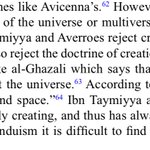
Alright. As for the quotation from Darʾ Taʿāruḍ al-ʿAql wa-l-Naql, it is clear that Ibn Taymiyyah is transmitting the words of Abū al-Ḥasan al-Ashʿarī in his work Maqālāt al-Islāmiyyīn, concerning the disagreement over whether the acts of Allah, Exalted is He

2
11
706
Practically all the quotations @reasoned_islam are in response to the Jahmiyyah, including this consensus. He is referring to their views in totality, قول الجهمية بفناء الجنة والنار. This is the position of the Jahmiyyah, and it is not the position of any of the Salaf.
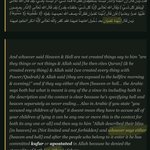
"The Salaf of this Umma, its Imams, and all the people of the Sunna and the Jama'a have agreed that among created things are those that neither perish temporarily nor are annihilated entirely - such as Paradise, Hellfire, the Throne, and other things...

1
2
296
Nevertheless, even if we concede everything raised in this regard, certain possibilities remain open, such as:
- Ibn Taymiyyah having suspended judgment on this issue at that particular stage of his life-
1
3
144
Phronimos retweeted

I’m sorry but the Qur’an is a good book. Anyone who denies this either hasn’t read it, read it in a feverish, red-misted hunt for Bad Verses, or is coping
@MMetaphysician I’m speaking about what is in this video, not your Googling of Ibn Taymiyyah after the fact:
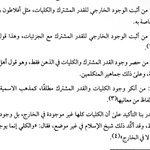
First, it seems that, prima facie, you were explicating an interpretation in which Ibn ʿAbbās intended nothing more than ishtirāk lafdhi. (1/20)

- even though I disagree with ʿAbd Allāh al-Duʿayjānī in his claim that Ibn Taymiyyah agrees with Kant’s doctrines.
(14/20)
2
5
269