

Board Member @ Insignis TFI | Executive MBA at Chicago Booth Long-short and long-only funds. No recommendations. No investment advice. Private opinions.
Warsaw, Poland
Joined February 2011
- Tweets845
- Following856
- Followers1.9K
- Likes1.6K





Ryszard Miodoński retweeted

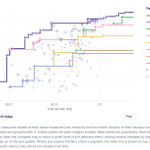
Our take on Jevons Paradox right now:
Yes, it's holding.
But it's noticeably weaker than at the start of 2026.
This has happened in our data before (actually this time last year) and new, major launches / use cases turned it around.
Will that be true again?


Nie widac spowolnienia

Dell earnings call: “The demand environment we see today remains strong and has not changed .. AI server demand continues to accelerate, supported by a broadening customer base and expanding global opportunity. Our record $132.3 billion of AI server backlog has been fully vetted through our rigorous due-diligence process .. Infrastructure demand continues to outpace supply. As we look into next year, the gap between component supply and end-user demand continues to widen.”
1
5
878
Jensen is back
teapawt.org/greghunkins/status/212…

1
5
488
Ryszard Miodoński retweeted

All that matters right now is the Fed & AI. Time for a rant and some key questions
First, the Fed is making a huge mistake right now. They are way to tight and all you have to do is look at housing or low quality credit to see that. Real pain. Second, there is no inflation problem outside of oil. Assume oil goes sideways from here, y/y impact from energy is close to zero. Assume we get some halfway resolution and Brent goes back to $70-80 and we have inflation below 2%. Sure say you might hike. I would too if oil goes to $125. But this is 100% a wait and see territory. Talking about 50bps hikes is irresponsible. Don't talk about forward policy in a world where inflation mostly depends on whether a terrorist nation decides to blow up their neighbors or not.
On AI. I don't think it's reasonable to call it a bubble. Earnings are there. Demand is there. Simply a less certain future. I think growth continues unabated but hard to know if it's 10% or 30% growth. Key questions for me are
1) What does China do to the competitive landscape in 3-5 years. Extremely high margins and pricing power have what have made this possible
2) A lot of these earnings actually came from borrowed money and newly issued equity. If that it cut off (debt markets are) then earnings naturally have to come in too
3) Unclear what a shift to cheaper open source models means for capex. Even rationalizing compute to older models will slow growth.
4) How much do regulatory bottleneck slow things down? I think this is less important - if there is demand we will just build them elsewhere.
5) Is the current level of capex sustainable? Looking at current spending, expected depreciation, and then total AI revenue. I haven't seen a good high level summary. Everything I have read suggests that the hyperscalers are building and locking in growth at a 15% ROI. However a lot of that is from unprofitable VC and major labs. At some point people have to pay for it. At some point companies have to choose between compute and labor and so far they are being reluctant to ramp up.
5) Relationship between 3 and 4 above matters a lot as well which will also slow the growth rate.



W rozmowie z @smolinska_j dla @puls_biznesu miałem okazję przedstawić moje view na sprawę sukcesji w Nvidia, problemy Intela, debiut Anthropic oraz perspektywy dla spółek związanych z AI.
Dodatkowo odpowiedziałem na pytania o mój outlook dla rynku polskiego na 2027 rok. Poruszyliśmy też kwestię CFD i problemów XTB z tym związanych.
Podsumowując, było tego sporo. Polecam obejrzeć:
youtube.com/watch?v=F3HK31xu…

NVDA - guidance 2028 podniesiony. Szanse Jensena na powrót wg. Polymarket trochę spadły po opening remarks.
1
3
1,089
Mówienie o tym, że Jensen złamał prawo, sprzedając chipy pośrednio do Chin, jest bez sensu, biorąc pod uwagę, że (i) prawo tego sposobu działania nie zakazało, a (ii) administracja nie jest spójna w przekazie, czy to obejście prawa powinno zostać zamknięte.

Trump on Lutnick and Bessent: "One wants to be friendly with China, and one wants to have a blow up with China ... we're having a very good relationship with China right now"
405


Nie ma ludzi niezastąpionych, choć ciężko będzie sobie wyobrazić zastępstwo dla Jensena. Jego wszechobecność w mediach w ostatnich latach, książka Nvidia Way oraz niewątpliwy sukces finansowy, za którym poszedł ogromny wzrost wartości dla akcjonariuszy, sprawiają, że dość łatwo o tezy, że NVDA bez Jensena jest przegrana.
Natomiast takiej firmy nie tworzy jedna osoba. Poza tym, nawet jakby założyć, że to głównie zasługa Jensena, to należy oczekiwać, że w NVDA short/mid-term nic złego się nie wydarzy ze względu na pewnego rodzaju bezwładność. Będąc odrobinę złośliwym, można by powiedzieć, że Apple w takiej bezwładności funkcjonuje od kilkunastu lat, po śmierci Jobsa generując świetne stopy zwrotu dla akcjonariuszy.
Wybór nowego CEO na pewno nie będzie łatwy i niezależnie od wyboru, sprostać poprzednikowi będzie ciężko. IMO najlepiej odebraną decyzją byłby awans na to stanowisko kogoś z wewnątrz NVDA.
teapawt.org/firstadopter/status/21…
NVIDIA Announces CEO Transition
November 12, 2026
Jensen Huang Resigns
Colette Kress, Executive Vice President and Chief Financial Officer, Appointed Interim CEO
Harvey C. Jones Appointed First-Ever Chair of the Board
SANTA CLARA, Calif., Nov. 12, 2026 NVIDIA (NASDAQ: NVDA) Board of Directors announced today that Jensen Huang has resigned as President, Chief Executive Officer, and a member of the Board, effective immediately.
Colette Kress, current Executive Vice President and Chief Financial Officer of NVIDIA, has agreed to serve as Interim Chief Executive Officer. Kress will continue to serve as Executive Vice President and Chief Financial Officer while serving as Interim Chief Executive Officer until a permanent successor has been named. The Board is initiating a search for a permanent Chief Executive Officer and will consider internal and external candidates.
Kress has served as Executive Vice President and Chief Financial Officer of NVIDIA since joining the company in September 2013. During her tenure, she has led the company’s finance organization and has played a key role in NVIDIA’s growth and evolution. Prior to joining NVIDIA, Kress spent nearly 25 years in finance roles at leading technology companies, including Cisco and Microsoft.
The Board of Directors appointed Harvey C. Jones as its first-ever Chair of the Board. Mr. Jones has been an entrepreneur, technology executive, and active venture investor for over 30 years, including serving as Chief Executive Officer and Executive Chairman of Synopsys.
“Colette has helped lead NVIDIA through a period of extraordinary growth and has a deep understanding of our business, customers, operations and financial position,” said Harvey Jones, Chair of the NVIDIA Board of Directors. “She is supported by an experienced leadership team that has been instrumental in executing NVIDIA’s strategy and advancing its technology roadmap. The Board has full confidence in Colette and the leadership team, and we expect the company’s operations, customer commitments and product roadmap to continue without interruption.”
“NVIDIA’s strength has always come from its people, and together with our leadership team, I am committed to building on the extraordinary foundation Jensen created over the last 33 years,” said Colette Kress, Interim CEO and CFO, NVIDIA. “We will continue advancing the work that has made NVIDIA a leader in accelerated computing and AI, and execute on the opportunities ahead. Our focus remains on serving our customers, partners, developers and shareholders.”
Jensen’s contributions to NVIDIA are profound. NVIDIA is one of the most consequential technology companies in the world. The Board and the company thank Jensen for his immeasurable contributions to the company and the industry.
NVIDIA will report its third-quarter fiscal 2027 financial results on Tuesday, November 17, at approximately 1:20 p.m. PT, as previously scheduled, followed by its earnings call at 2 p.m. PT.
3
3
2,210
Ryszard Miodoński retweeted
Oil is down 20% since the CPI data released today was collected... it's not that useful, IMO
Ryszard Miodoński retweeted

Hrabstwo Loudoun, Wirginia, jest największym skupiskiem centrów danych na świecie.
💰 W roku fiskalnym 2026 tamtejsze centra danych wygenerowały 1.2 mld dolarów wpływów z podatków od nieruchomości i majątku ruchomego przedsiębiorstw (tj. wyposażenia centrów, w tym drogich GPU), co stanowiło 39% całego budżetu hrabstwa.
1.2 mld dolarów wpływów podatkowych dotyczy majątku nieruchomego i ruchomego, a nie podatków od zysków operatorów. To istotne, ponieważ pokazuje, jak duże dochody może uzyskiwać lokalny samorząd z samej obecności infrastruktury centrów danych, niezależnie od tego, gdzie operatorzy rozliczają swoje zyski.
Według oficjalnych danych hrabstwa na 1 marca 2026 r. znajdowało się tam około 233 budynków centrów danych, istniejących lub będących na różnych etapach budowy.
Większość istniejących centrów danych w hrabstwie Loudoun powstała w latach 2019–2024.
Przypadek Loudoun pokazuje, że centra danych nie muszą być wyłącznie obciążeniem dla lokalnej infrastruktury. Mogą stać się jednym z głównych źródeł finansowania samorządu, pod warunkiem że lokalne podatki nie zostaną nadmiernie ograniczone ulgami, a koszty rozbudowy sieci i usług publicznych pozostaną pod kontrolą.
Rządy stanowe i lokalne w hrabstwie - Demokraci. Są głosy oporu, zwolennicy moratoriów, ale to za rządów demokratów bardzo intensywnie rozwijała się tam infrastruktura, a kasa z podatków od nieruchomości i wyposażenia płynęła coraz większą do budżetu.

Abstrahując od pozycjonowania i tego ile potrwa wywałka na rynku itp., dużym pytaniem pozostaje to na ile Demokraci faktycznie będą chcieli zatrzymać/wstrzymać inwestycje w AI. Ja raczej podtrzymuje moje zdanie, że dla USA jest to walka o utrzymanie dominacji na świecie, popyt na AI jest realny + będzie wzrastał.
Czy jako polityk zaryzykujesz że kiedyś będą Cię wytykali palcami jako tego, który jest odpowiedzialny za przegraną? Jaka gospodarkę chciałbyś odziedziczyć po kolejnych wyborach?
Na te pytania odpowiedzi oczywiście nie mam - nigdy nie byłem politykiem. W świecie gdzie polaryzacja nie jest skrajna i wojna nie toczy się na noże, odpowiedź byłaby oczywista. Czy tak jest w USA?

To be clear, this will not slow down data centers being built. They will be built elsewhere. But it will mean America is handicapped. It will also hurt the AI beneficiaries that produce domestic supplies. The winners here are the hyperscalers that already have capacity built. Institutions that want domestic data center capacity will pay up for it.
2
8
1,314
Widzę, że jakieś wnioski po porażce zaczynają wyciągać:
"The reason we lost is war"
Moim zdaniem możemy to rozbić na dwa błędy:
(i) Rozpoczęcie wojny w Iranie, która w opinii strategów, których ja śledziłem, była z góry trudna do wygrania.
(ii) Odebranie wsparcia Ukrainie i wspieranie agresora zamiast ofiary w procesach negocjacyjnych.
Oba te działania przełożyły się negatywnie na budżety domowe ich wyborców. Nie sądzę, żeby dokładnie tak widziała to administracja.

One of the things the data analysts on our side obsessed over was "composition"—whether the electorate looked close enough to 2024 for Republicans to win. And despite polls that showed a Democrat blowout, the data kept on telling us the same story: in some states turnout was merely OK, in other states it was downright amazing, and in no state was it catastrophic. There was a genuine sense of optimism on our team: our people were showing up.
So, I asked the smartest data guy I know, does that mean we're going to shock the world? "No," he told me. "We might do better than the polls suggest. But the data is telling us that a lot of Trump/Vance 2024 voters are pissed and planning to vote for the other guys. Our voters are turning out, but they may not vote for us."
Well, that looks prophetic now. Our voters did show up. In Florida, for example, the electorate was 9 points more Republican than Democrat, just a couple points worse than 2024. Undoubtedly there were places we could have done better on turnout. But the main problem is not turnout. The main problem is that many people who voted for Trump/Vance in 2024 voted for Democrats in 2026.
There will be a lot of infighting and arguing over what happened and why that is. One of the pollsters I really respect told me that our economic messaging wasn’t sharp enough down the stretch. I’m sure that’s true.
But the real reason we lost is obvious to almost everyone.
Another pollster—one of the smartest people I know in politics, told me yesterday we’d lose the generic ballot by 13 points. I felt negative going into Tuesday, but even I was shocked by this. In his polling, he saw that a lot of Trump 2024 voters were angry and planning to vote for Democrats. He asked those voters who had abandoned us what would cause them to come back on our team. The top four answers, accounting for nearly all of the responses were:
1) End the war
2) Focus on cost of living/inflation
3) Put America First
4) Change our relationship to Israel
Our voters showed up. And the above four reasons are why many of them voted for Democrats. This is according to a pollster who nailed the results. While many spent Monday attacking Rachel Campos Duffy for calling for a diplomatic resolution to the conflict, it turns out her political advice was sound. (She’s also a great person.)
In the next few months, there's going to be a lot of gaslighting. Expect to hear any number of establishment politicians say the solution to our woes is amnesty. I'm open to the idea that we should change enforcement—by focusing more on businesses that hire illegal labor, for instance. But anyone pushing amnesty is lying to you.
The reason we lost is the war. The president himself said so last night.
If you'd like to argue it was worth it, that losing the Senate for the next 6 years was worth it, then do so. Argue it was a worthwhile cost to pay. Agree or disagree, that's at least honest.
But everyone knows why we lost. And any honest conversation about where we go from here must start there.
I remain hopeful about our country. To the people who are pissed off and want to say, “I told you so”: you’re right, you did tell us so. Take that energy into electing Republicans who share your worldview. To the people who are just pissed at the results, you should be. Let’s take that anger and get back to the work of saving our country.
2
484
Tego w konsensusie na SpaceX nie ma ani w 2028, ani w 2029. Najważniejsze w tym wszystkim są nie liczby w P&L, lecz warstwa założeń. Short term liczy się compute na Ziemi. W średnim terminie kluczowe są starshipy i compute w kosmosie. (short term = w tym wypadku 2 lata). Czy Elon dowiezie?
BTW. Wszyscy mają jakieś bias'y. Sequoia jest zainwestowana. Sellside achoruje się do ceny rynkowej itp.

Over the last week I built a bottoms up SpaceX financial model through the end of 2028
The numbers that came out are insane
There are wide error bars given how quickly things are changing but I wanted to distill something complicated into something that can at least be debated
* This is not investment advice!!!
** Sequoia is a major SpaceX shareholder
*** Past performance is not indicative of future results

1
715


Rynek compute chyba sie nie luzuje. Contango.

Gavin Baker says the compute market is now in contango per Silicon Data and his portfolio companies are shocked at how much more they have to pay for clusters in 2027
“You know, Silicon Data, which I do think is, my firm is an investor in them, but I do think they’re the most authoritative data source. Carmen Li, the founder, stood up at GTC and said that the compute market is now in contango. It’s not just that the spot market is tight. If you want a cluster a year from now, you have to pay a lot of money."
"And then this is maybe another discontinuity between public and private markets. But just the number of companies we have in our portfolio who are like, okay, we got a cluster of 4,000 Blackwells, and we got it in May or June ‘26, and we wanna bring on another cluster of 4,000 in September 2027, and they’re shocked by how much more they have to pay in the future."
"And it’s not like everybody is unaware of this. Everybody’s aware of the supply that’s coming on. But even with all of that supply coming on, it is hard for the companies in our portfolio to find compute even well into ‘27. So for, you know, all the commodity experts who are focused on backwardation and what that implied, I got news for you. We’re not in backwardation anymore.”
1
411
Alokacja compute między obsługę obecnych klientów, a choćby R&D/training może istotnie wpływać na wyniki danego okresu = prognozowanie z kwartału na kwartał łatwe nie będzie. Kolejne potwierdzenie tezy sprzed prospektu (chyba od Gavina).
"We may make significant and, at times, discrete investments in areas such as research and development, compute and related infrastructure, product development, safety and security initiatives, and go-to-market expansion, which may be uneven in size and timing. These investments may materially increase our expenses in a given period and cause our results of operations to fluctuate significantly or vary meaningfully from period to period, and may result in periods of reduced margins or increased losses even if our underlying business trends remain unchanged or continue to improve."
1
349