Audio/music enthusiast. Indie game dev. @InfinityGBC lead dev & Japanese localization. The creator of Lucrum Sanguinis. Proud parent of 😺×3.
Redmond, WA
Joined February 2009
- Tweets51.5K
- Following2K
- Followers2.1K
- Likes81.7K







Pinned Tweet
そして、今回はサウンドトラックも手がけました。残念ながら Commodore 64 実機では(まだ)再生できないのですが、バックで演奏していただけるよう MP3 を用意しておきました。ゲーム付属ですが、Bandcamp でお聴きいただけます!

The original soundtrack for Lucrum Sanguinis: The Quaestor's Legacy is out now on Bandcamp. A SID-phonic score composed in three parts, powered by Plogue Chipsynth C64. Available in FLAC. pixlitch.bandcamp.com/album/…
#Commodore64 #SID #indiegame

結局ポチッてしまった。自分は古いレトロゲームしかやらないので、4:3 で大体カバーできるのが魅力。

中華製のゲームコンソール、いろいろ持っていて新しいのは不要のはずなんだけど、Retroid Pocket Nova はちょっと欲しい。
youtube.com/watch?v=fAHVi56n…


Ichiro Ota (太田 一郎) 🍜 retweeted

In 1945, my uncle was ready to invade Japan. Instead, he brought it home in the form of a starving 17 year old girl whom I came to know as Aunt Lillian. In the occupation he met the teenage Lillian, who had been moved out to the country to escape the bombing. My uncle took her under his wing to take care of her, and treated her like a little sister.
When he came home, he brought Lillian. She moved into my grandparents house, and became in effect their daughter. I knew her as Aunt Lillian. Later in life, she met Mitsuru Takeda, who had been interned in California during the war (I never heard him complain). I called them Uncle Mike and Aunt Lillian and they brought a current of Japan into our lives. She taught me origami, took me to Japanese restaurants (rare in the 60s). we had Japanese dolls, Japanese art, always somewhere in our lives.
I'm embarrassed to admit that I was a teenager before I realized that two full-blood Japanese couldn't be my actual blood relatives. But I loved them both the same.
I guess I've returned the favor in a tiny measure because my game Call of Cthulhu has proven extremely popular in Japan and brought joy to so many Japanese people. Thanks, Japan for my uncle and aunt.

Ichiro Ota (太田 一郎) 🍜 retweeted
RuneQuest's world of Glorantha is unique because Greg Stafford, who created it, didn't encounter fantasy literature till he was in college. Instead, he read mythology, like Edith Hamilton and Thomas Bulfinch.
So when Glorantha was created, it was a world of myth, NOT fantasy or swords & sorcery. The gods were central to the myths in a way that is not so common in other systems, and gives the game an unusual feel.
Ichiro Ota (太田 一郎) 🍜 retweeted

Chromeのレビューや開発に使ってる限りでもAIの指摘はまだ2〜3割は間違ってる。それも、数十のサブエージェントを使い6段のパイプラインで様々なチェックリストを使って検証して出した結果がそのレベル。
もちろん調査とかは爆速だけど、そこから出てくる仮説はまだまだだし、そもそもコンテキストが僕らと比べたらあまりにも小さすぎる。必要な情報が綺麗にコンテキストに揃った時しか正しい判断はできないのに、必要な情報が乗り切らないどころか、正しく集めることすら難しい。
AIを使って成果が出てるのは、本当の専門家が横について粗い回答について不審な点を洗い出し、この件は考慮した?あの話は知ってる?って質問詰めにしてコンテキストを煮詰めてあげるから出てくるのであって、AI自身の力で言えば、単にモノを沢山しっていて作業が速い……当初と変わらずそれだけってのが現実。作ったものが動かないんだ、客観的なデータだよね。
もし本当にAIの方が凄けりゃAnthropicから送られてくるパッチは非の打ち所がないはず。でも、全然そんな事はない。本当にAIの方が凄けりゃバグを見つけるだけでなく完璧に直してくれるはず。でも一番難しいバグを直すのは僕らだ。
来年のことはわからないけど、少なくとも今の最前線の現場はそんな感じ。たくさんのシニアが質の低い生成コードのレビューに悩まされてburn outしてる。


Ichiro Ota (太田 一郎) 🍜 retweeted

If builders built buildings the way programmers write programs, then the first woodpecker that came along would destroy civilization.
-- Gerald Weinberg, The Psychology of Computer Programming, 1971.


ちなみに若い人はPHSって分からないんでは…

PHPと聞いて「今時ピッチ?」と思う人が多そう」で、私だって似たようなものだったのだけれど、Web開発など全く理解できない人には直感的に理解できそうもない話を「総理が発信してます」で、問答無用に対応、身構えさせることができたのは、本当にグッドジョブ。
高市首相は余計な一言で外交を混乱させたり、取り巻きの怪しげな経済理論に固執したり、まぁ危なっかしいのだけれど、今回は実務的な無知、Webページが止まると何が起きるかまで考えられそうもないことが、逆に良かった。
私として余計な一言を付け加えると、今回のPHP問題は西暦2000年問題(1999年12月31日を99/12/31とコンピュータ内部で表現していると2000年1月1日が00/01/01と時間が逆行してしまう)的なことがサイバー攻撃で起きてしまうのと似ていて、影響範囲が広範囲なのに対応が物凄く急を要したという話。
これからも同種の問題はいくらでも起きそうだが、マイナンバーカードとマイナンバーの区別がつかない人たちに「津波が来るから何もかもほったらかして高い所に逃げろ」という発信は、総理がやってくれれば現場は助かる。皮肉は置いて高市首相の投稿に感謝。
Ichiro Ota (太田 一郎) 🍜 retweeted

It's so funny seeing everyone suddenly take this seriously now Torsten's on it - @arakharazian put it out nearly two months ago.
Here it is in my September 8 2026 concentration risk newsletter.
wheresyoured.at/concentratio…


Circularity in AI Shows Up in Token Spending Too
"Ramp data show that 80% of the top 1% of AI spenders are VC-backed, compared with only 13% of the median spender, suggesting that the circularity seen among AI hyperscalers and model providers also extends to token spending, as the startups buying the most compute are paying for it with venture capital rather than organic earnings, see chart below.
If the AI payoff is slow to materialize or never arrives, VC returns would come under pressure, since the capital funding today’s token spending would have little to show for it, and a pullback in venture funding could in turn weaken demand for compute." Apollo
IT'S ALL ONE TRADE REMEMBER


Ichiro Ota (太田 一郎) 🍜 retweeted
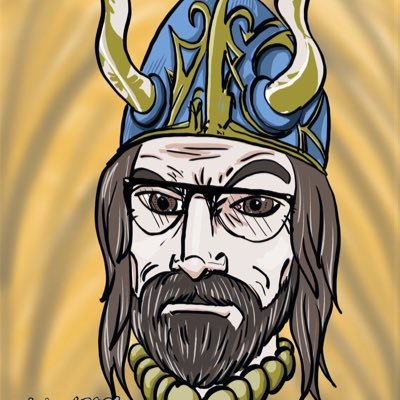
This Day in D&D History, October 23, 1990 📚
Before the reunion at the Inn of the Last Home, there were five years of adventures…
Today is the recorded publication date for Tanis, the Shadow Years, by Barbara and Scott Siegel, the final volume of Dragonlance’s Preludes II trilogy.
Clyde Caldwell on the cover. Valerie Valusek inside. And $4.95 bought you another trip to Krynn. ❤️
Anyone still have this one on their shelf?


Ichiro Ota (太田 一郎) 🍜 retweeted

タイトーのガンフロンティアをかんたんにする方法
・赤ボムを持たない
・出来るだけ秒間 6.6連射以下
・1面クリア時 2万点未満
・3面クリア時 10万点未満
・4面のサークルでボム (エクステンド調整)
・マックスコインは無視
・残機をいくらか潰す
例:5面開幕で2機潰した最終防衛ラインがこんな感じ
Ichiro Ota (太田 一郎) 🍜 retweeted

No, that's not quite how it works. There were companies that reached out that wanted to inquire if we'd be willing to be acquired, but we didn't even consider it since it wouldn't have made sense with Wicked on the road.
We're pretty confident that Wicked will do well for us, so it never really made sense to even think about this stuff given that we'd obviously get a lower valuation now than we would after.
And my stance has always been: Why sell? If we can be in a position to stay private and make enough to just keep doing our thing, that makes a lot of sense.
An outside investment would only make sense if we'd wanna scale... which might actually be interesting at some point given the current landscape.
But I mean, it did make sense that these larger corps did this stuff - They got interest-free money and everyone assumed that things would just keep going up and to the right... but then reality set in.
The crappy outcome is that a lot of those studios that were willing to take a bite of the apple then found out what that actually meant for them.
Ichiro Ota (太田 一郎) 🍜 retweeted
I see a lot of people expressing shock and sadness over BioWare shutting down. And I get it.
But here's the uncomfortable truth:
The BioWare that made Baldur's Gate, Neverwinter Nights, KOTOR, Dragon Age: Origins and the original Mass Effect trilogy had largely ceased to exist long before yesterday's announcement.
BioWare's decline began around the time the doctors left and much like what happened at Blizzard, most of the original talent responsible for building those legendary franchises had moved on years ago.
What remained was the brand. The IP. Basically just the name on the building.
But a studio's name doesn't make great games. Insanely talented people do.
And that's the lesson our industry somehow keeps refusing to learn.
The people who built those studios, who poured their blood, sweat and tears into establishing their creative identities were the actual assets. Their experience, their taste, their leadership, their ability to recognize what made a game special in the first place was always the thing that mattered, not the brand.
You can't simply replace those people, keep the logo on the door and expect the magic to continue.
Yet, that's precisely what publishers have been doing for the past 10-20 years.
They've spent billions acquiring studios and IPs, seemingly under the assumption that the creative output would continue regardless of who was actually making the games.
And when the original talent inevitably left, the remaining teams were expected to fill shoes that were often impossibly large, without necessarily having the experience, leadership or creative vision required to do so.
And... the results speak for themselves.
I think we'll eventually look back at the COVID-era acquisition frenzy as one of the most destructive periods in the history of our industry.
Publishers were buying studios left and right, paying absurd valuations mostly just to secure IPs... and developers were often all too happy to cash out.
At Moon Studios, we got quite a bit of crap for refusing to sell when seemingly everyone else was getting acquired.
I remember telling our team back then that I'd seen this movie before.
The exact same thing happened in the 90s, when EA went on its acquisition spree.
Studios were bought, their founders and creative leaders gradually lost the freedom to make the games they believed in, the original talent became frustrated and left and eventually the studios all became a Ship of Theseus.
History doesn't repeat itself perfectly, but it sure as hell rhymes, and that's exactly why I never wanted Moon to end up in that position.
And I don't think we're even halfway through the ultimate fallout of the latest acquisition frenzy.
There's going to be a very rude awakening for quite a few publishers when they discover that the studios they acquired for billions are worth a fraction of what they paid. And that shoving ideology down peoples throats ultimately came at a cost that they didn't quite grasp.
They didn't actually buy the creative vision, the institutional knowledge or the culture responsible for making those studios successful.
They bought the names, the buildings, the IPs and whatever teams happened to be there at the time.
But those things don't matter at all.
You can buy a studio. You can buy its IP. You can even buy its entire back catalogue.
But you can't buy the magic that made those games special in the first place.
And the sooner our industry understands that, the better.

