luis alberto malaga (@malaga1711) header
luis alberto malaga (@malaga1711) profile picture

Nutriólogo.🧑‍⚕️Educador en Diabetes📚 Nutricion Renal🥑 JAROCHO

San Andrés Tuxtla. Veracruz
Joined April 2011
Photo by luis alberto malaga (@malaga1711)Photo by luis alberto malaga (@malaga1711)Photo by luis alberto malaga (@malaga1711)Photo by luis alberto malaga (@malaga1711)Photo by luis alberto malaga (@malaga1711)Photo by luis alberto malaga (@malaga1711)Photo by luis alberto malaga (@malaga1711)Photo by luis alberto malaga (@malaga1711)Photo by luis alberto malaga (@malaga1711)Photo by luis alberto malaga (@malaga1711)
luis alberto malaga retweeted
Dietary Behaviors of People Receiving Hemodialysis: Secondary Analyses From the KIDNEYTEXT Trial bit.ly/4iT830g @tpinto_stats @clara_chow @jardine_meg
1
6
6
1,013
luis alberto malaga retweeted
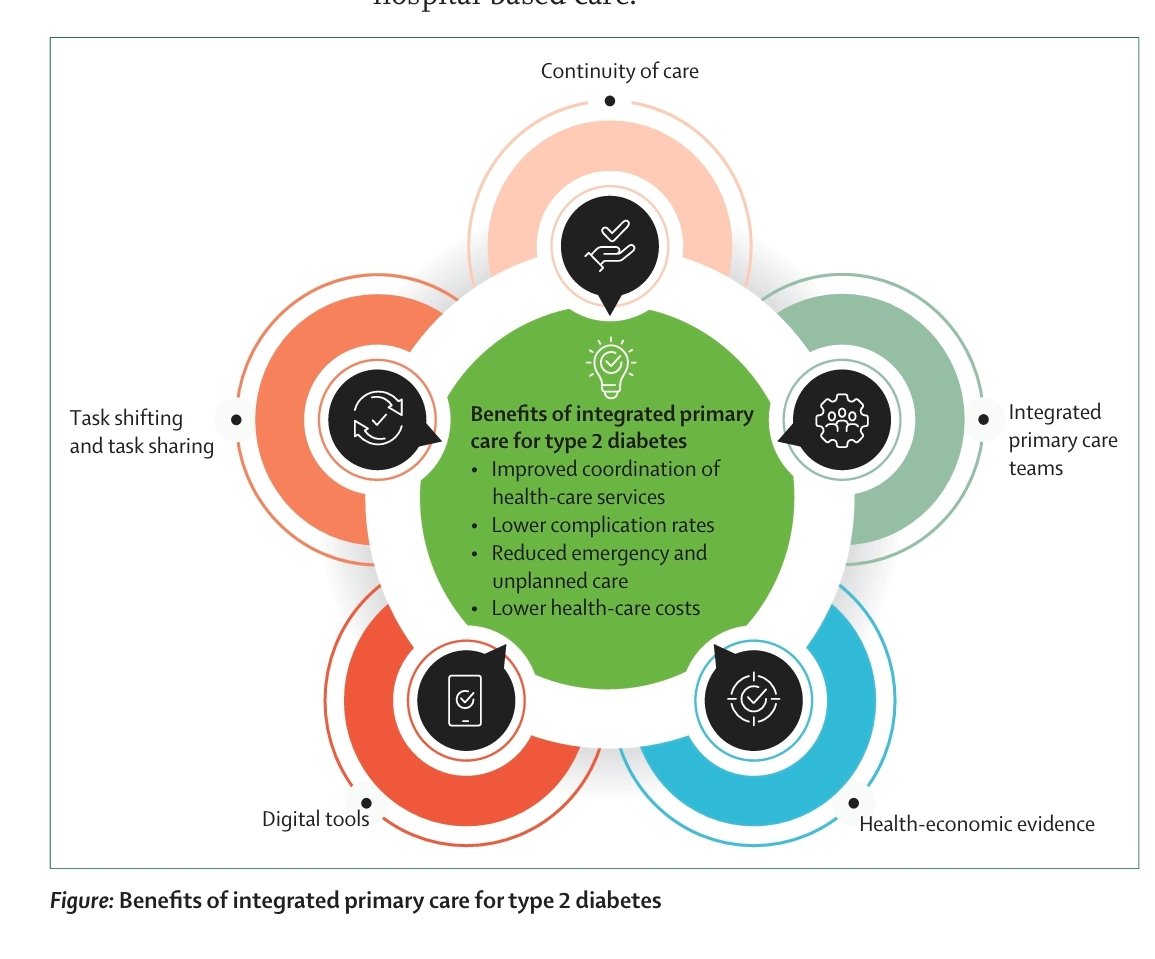
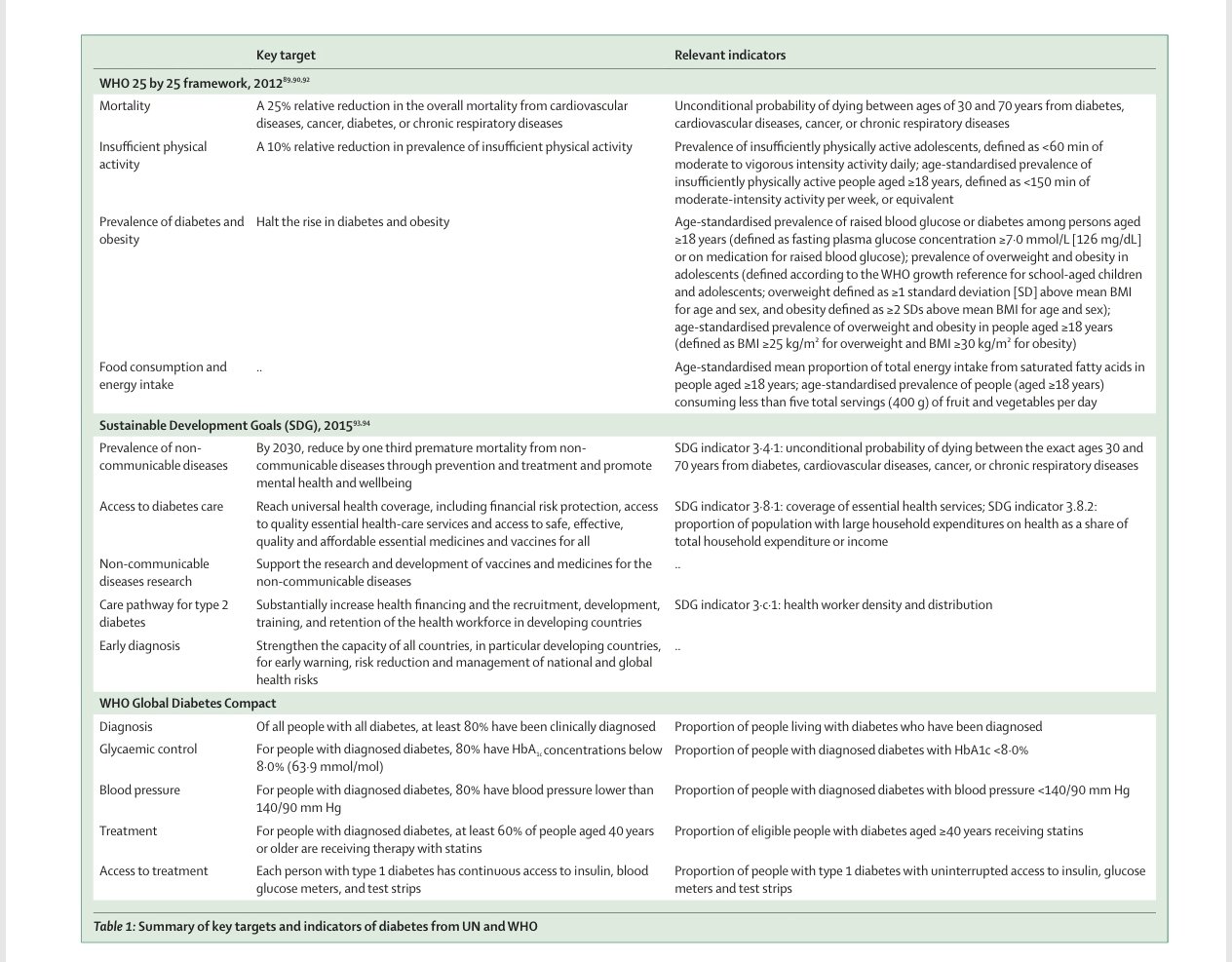
¿El futuro del manejo de la diabetes tipo 2 (DM2) está solo en nuevas moléculas o en transformar cómo trabajamos en equipo? 🧵👇 ​Una revisiónanaliza el papel clave de la Atención Primaria (AP) en la DM2. Los datos obligan a reflexionar. @redGDPS @SemergenGTDM @SEDiabetes @Diabetes_SEMI @diabeteSEEN @sadediabetes
1
6
15
531
luis alberto malaga retweeted
Todos en algún momento de la vida pensamos que seremos solteros para siempre, no es así?
63
155
42
1,950
41,104
luis alberto malaga retweeted
Can Lifestyle Interventions Prevent the Evolution of Cardiac Damage in Cardiovascular–Kidney–Metabolic (CKM) Syndrome? A Stage-Based Narrative Review ▶️ CKM syndrome integrates excess adiposity, metabolic dysfunction, chronic kidney disease, & CVD within a progressive clinical continuum. ▶️ Stage-based framework for prevention and management Stage 0: healthy behaviors aim to preserve optimal cardiorenal-metabolic health. Stage 1: weight management focuses on excess or dysfunctional adiposity and metabolic progression. Stage 2: dietary modification, physical activity, sodium reduction, & other lifestyle measures complement the treatment of established metabolic & renal risk factors. Stage 3: structured interventions may mitigate subclinical cardiac & vascular injury, alongside risk-guided pharmacotherapy. Stage 4: lifestyle interventions support secondary prevention, rehabilitation, functional capacity, & quality of life. ✅️ Diet, physical activity, & weight management are the foundation at all stages. mdpi.com/2072-6643/18/22/382… @Mangan150 @drfherediaz @LoriShemek @DHPSP @DrRPalmquist @nuclearball Pathophysiological Links Between Cardiovascular–Kidney–Metabolic Syndrome and Cardiac Damage: Potential Modifying Effects of Lifestyle Interventions.
25
1
58
1,902
luis alberto malaga retweeted
Extending Healthspan Through Lifestyle: Nutrition, Physical Activity, Sleep, and Other Modifiable Behaviors—A Narrative Review ▶️ The most consistent human evidence supports high-quality dietary patterns, regular physical activity, & healthy sleep as central components of healthy aging. ▶️ Stress management, social connection, avoidance of harmful exposures, & the physical & socioeconomic environment are also relevant to healthy aging & influence the context in which these behaviors occur. ▶️ This narrative review examines major modifiable determinants of healthspan and critically evaluates how established lifestyle strategies compare with newer approaches promoted within the longevity field. mdpi.com/2072-6643/18/22/381… @Mangan150 @LoriShemek @_atanas_ @DHPSP @DrRPalmquist @Dani21422k @DrGrimaldesJ @nuclearball Lifestyle and environmental determinants of healthspan. The six lifestyle medicine domains, including nutrition, physical activity, restorative sleep, stress management, social connection, and avoidance of harmful substances, are shown as interrelated influences on healthspan. The surrounding physical, social, and socioeconomic environment can facilitate or constrain these behaviors through factors such as access to healthy food and green space, transportation, housing, neighborhood safety, and social and economic resources.
3
33
4
76
5,737
luis alberto malaga retweeted
Nuevo Consenso de la Sociedad Internacional de Aterosclerosis (IAS): Riesgo cardiovascular, evaluación y manejo de la hipertrigliceridemia (HTG). ¿El triglicérido es un agente causal directo o un biomarcador de riesgo residual? 👇 🧵 @gt_rcv @preventiva_SEC @society_eas @SIAC_cardio @atherosociety @GT_Pluri_SEMI @Diabetes_SEMI @anymzcs @FaustoHerediaDr @drshafikuchay @sabou
3
40
120
3,790
Diet and risk of cardiovascular disease amjmed.com/article/S0002-934…
3
28
87
5,744
luis alberto malaga retweeted
¿Sigue siendo la diabetes gestacional (DG) solo una complicación transitoria del embarazo? Una nueva revisión redefine la DG como una prueba de esfuerzo fallida que desenmascara una vulnerabilidad cardiometabólica crónica en dos generaciones. 🧵👇 @CorazonyMujer @gede_diabetes @SEDiabetes @MujerSIAC @gt_rcv @endocatracha @anymzcs @sadediabetes @malaga1711 @Vic_Tos19 @fernandamdo @drshafikuchay @DraPicon @FaustoHerediaDr
1
8
20
842
luis alberto malaga retweeted
📖 #Gestational #Diabetes Mellitus is not just a #pregnancy complication. Prior #GDM confers ~7–10× higher #T2D risk and ~45–98% higher #CVD risk—even beyond progression to T2D. Postpartum #OGTT at 4–12 weeks and lifelong cardiometabolic follow-up matter. @NatureRevEndo 👇🏻🔗
1
21
44
1,638
luis alberto malaga retweeted
DIABETES GESTACIONAL ¡¡¡A leer, zagales!!! Link en mi bio o waltersport.com/investigacio…
7
40
1,256
A healthy, balanced dietary pattern, rather than one focused on individual nutrients or foods, is key to maintaining heart health, according to a new ACC Scientific Statement in #JACC. Get the details with #CardiologyMag: bit.ly/4k88WDd @JACCJournals
3
33
5
106
8,286
luis alberto malaga retweeted
Alcohol and cardiovascular disease: inter-organ crosstalk, microvascular dysfunction, and cardiovascular ageing academic.oup.com/eurheartj/a…
1
20
59
2,469
luis alberto malaga retweeted
🔬 Nueva revisión: ¡El músculo es clave para nuestra salud metabólica! 💪 🥗 Alimentación 🏋️‍♂️ Ejercicio 💊 Fármacos 🧬 Tres estrategias que actúan sobre mecanismos musculares compartidos y pueden potenciarse o interferir entre sí. 🔗 doi.org/10.3389/fphys.2026.1…
1
75
2
225
4,845
New content online: Gestational diabetes mellitus and risk of long-term cardiometabolic disease dlvr.​it/TWJhll
1
27
44
2,706
luis alberto malaga retweeted
📖 New @atherosociety Consensus on #hypertriglyceridaemia: ASCVD risk is driven by TRL remnant cholesterol—not TG per se. Prioritize #LDL and secondary causes; consider non-HDL-C/ApoB for risk stratification. With TG ≥500 mg/dL, pancreatitis prevention becomes a key goal. 🔗👇🏻
2
12
54
3,081
NEW @atherosociety CONSENSUS on HYPERTRIGLICERIDEMIA 🫀CV risk assessment as 1st step 👉🏻150-499 mg/dl: if a drug is needed, icosapent ethyl 1st choice 👉🏻>500 mg/dl plozasiran/olezarsen Last alternative: fibrates/omega3 nature.com/articles/s41569-0… #ipe #plozasiran #olezarsen
96
2
266
14,458
luis alberto malaga retweeted
How to Reduce Liver Fat by 68% in 6 Months
2
26
1
97
6,252
luis alberto malaga retweeted
Comparto nuestra más reciente publicación sobre: Análisis de los costos y de los factores asociados a los mismos en la atención del paciente con cirrosis hepática en México. na01.safelinks.protection.ou…
3
3
226
luis alberto malaga retweeted
Digestive function decline: A missing dimension of healthy ageing the-innovation.org/article/d…
Today I want to cover the top nutritional deficiencies in the elderly. This is actually a big problem. There is even something called “tea and toast syndrome,” which develops over time as a person’s diet degenerates into things like bread, crackers, and even canned meats. A lot of deficiencies can be created from this type of diet. Typical foods served in nursing homes, such as many cooked foods, sugary foods, low-quality foods, and snacks, can also lead to deficiencies. A lot of the elderly also take synthetic vitamins. The first ingredient in a lot of synthetic vitamins is calcium carbonate, which can be a problem. Medications are another thing that can also deplete vitamins. The older you get, the less stomach acid you’re going to have. This means that you’re not going to be able to digest protein or pull in the amino acids, which are needed to help repair and heal the body. In this situation, it will also be harder to absorb vitamin B12, which can create a range of issues. Top nutritional deficiencies in the elderly: 1. Vitamin D 2. Vitamin B1 3. Potassium 4. Magnesium 5. Sodium 6. Trace minerals (especially zinc) Dr. Eric Berg, DC, not MD; information only
1
12
39
2,684