

Experimental philosophy lab at the University of Granada. Researching moral psychology and experimental jurisprudence.
- Tweets73
- Following139
- Followers161
- Likes104




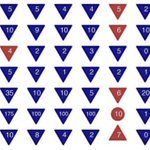





ALT Study 1: Frequency Estimates Research question: To what extent do prescriptive (ideal) and descriptive (average) estimates predict or shape hybrid judgements of what is considered reasonable or normal? Average percentage of workplaces offering mental health support in a medium-sized city: _____ Average number of hours of television a person watches per day: ____ Average number of fast food meals ordered per month: _____ Between-subject design 100 items × 4 (property: AVG.-IDL-NRM-RSN) (n = 1,572; U.S. representative; f = 717; 35 items/participant)

ALT Study 1: Frequency Estimates Study 2: Moral Evaluations People judge that normally something good is done more often than average. People judge that, on average, something bad is done more often than is normal.

ALT People may positively recognize efforts even when they fall short of the ideal.

ALT Study 3: Retrieval Time Reasonable is more intuitive: processed like Ideal and Average, while Normal takes longer. [Plot of retrievals by item property: average, normal, reasonable, ideal] Retrievals differences in property and item length: A mixed-effects model showed that both property and item length significantly predicted retrieval time (chi-squared = 31.82 and 364.75, p < .001). Normal items were retrieved more slowly than ideal (ß - 0.18, p < .001), while average and reasonable did not differ significantly. Item length (per 10 characters) also increased response time (ß = 0.34, p < 001). The model explained 7.4% of fixed-effect variance and 40.9% overall.

