




Not X retweeted

Mr. Kushner,
Thank you for the update. As a Czech citizen, I have a few questions about your negotiations. I hope you won't mind if they're rather direct.
First, do you fully understand the difference between an aggressor and a victim?
Russia invaded Ukraine. Ukraine did not invade Russia.
Yet your statement speaks of “territorial issues” and “reciprocal commitments” as though both countries were equally responsible for this war.
Second, what exactly do you mean by a new European security architecture?
Russia previously demanded a return to NATO's 1997 military posture.
So let me ask you: how do you intend to explain to Poland, the Czech Republic, and the Baltic states that their security might once again be subject to Moscow's approval?
Do these sovereign countries get to decide their own future, or is that something you intend to negotiate with Vladimir Putin on their behalf?
Third, about those Russian non-aggression agreements.
Moscow is now suggesting separate non-aggression pacts with NATO countries.
How reassuring.
Russia already promised to respect Ukraine's sovereignty and borders in the 1994 Budapest Memorandum.
We all know how that worked out.
So what happens when Putin breaks his next promise?
Should we expect Russian tanks to arrive first and an American expression of disappointment shortly afterward?
Fourth, what would make these security guarantees genuinely enforceable?
Who responds if Russia attacks again? How quickly? And with what military commitments?
Because a signature from Moscow is not a security guarantee. Ukraine has already learned that lesson at an extraordinarily high price.
And finally, one simple question:
Why are we negotiating how much the victim must surrender instead of demanding that the aggressor withdraw?
I want peace for Ukraine. I want peace for Europe.
But peace cannot mean giving Vladimir Putin a reward for invading his neighbor.
Mr. Kushner, European countries are sovereign nations, not properties on a real estate development plan.
You cannot negotiate away our security and then present the result as a historic peace deal.
Not X retweeted
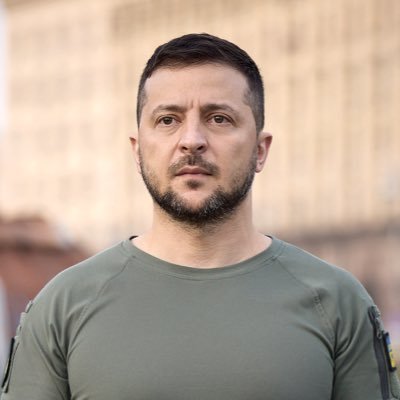
We keep hearing again that Russia supposedly needs security guarantees. Even though no one has attacked Russia for many decades. Since the Second World War, Moscow has not gone through even one decade without starting a war or using military force against another country.
So when the Russians now talk about a security architecture for themselves, or about security guarantees for Russia – they are hardly talking about real security. And peace.
What they really want – is to freely interfere in the affairs of other countries, and to use force whenever they want, and to make sure that no one can support liberty inside Russia because Putin wants to keep his personal power forever and pass on his imperialist and, in many ways, simply fascist views to the next generations.
From a speech at the Danish Folketing. (3/3)

Not X retweeted

🧵 La crisi istituzionale polacca spiegata semplicemente.
In Polonia siamo arrivati al culmine di una crisi istituzionale decennale. Ovviamente non c'è nessun golpe, anche se questa è la narrazione che stanno cercando di diffondere i nemici dell'Europa e della democrazia.
1/➡️

Not X retweeted

Nella telefonata di oggi con i leader di Finlandia e Norvegia, Putin ha ribadito, che «una pace giusta e duratura» in Ucraina sarà possibile solo rispettando pienamente i «legittimi interessi della Russia».
Benissimo. Prendiamolo in parola.
Ma quali sarebbero, esattamente, questi «legittimi interessi russi»?
Torniamo al 2013, prima delle minacce e dell’aggressione russa all’Ucraina.
Esaminiamo le richieste di Putin una per una e confrontiamole con la situazione dell’Ucraina di allora.
1. L’Ucraina non deve entrare nella NATO?
Nel 2013 l’Ucraina era ufficialmente un Paese non allineato. L’adesione alla NATO non era nell’agenda del governo.
2. L’Ucraina deve essere neutrale?
Nel 2013 non faceva parte di alcun blocco militare.
3. Bisogna difendere la lingua russa e i russofoni?
Nel 2013 milioni di ucraini parlavano russo quotidianamente. Il russo era
diffusissimo nei media, nella cultura, nelle scuole e nella vita pubblica. Una legge del 2012 ne consentiva persino l’uso ufficiale a livello regionale.
4. Niente Ucraina armata fino ai denti?
Nel 2013 l’esercito ucraino era debole, sottofinanziato, male equipaggiato e largamente impreparato. Altro che minaccia militare per la Russia.
5. Niente basi NATO ai confini russi?
Nel 2013 in Ucraina non c’erano basi NATO.
C’era però una gigantesca base militare RUSSA, a Sebastopoli, in Crimea. E Kyiv aveva persino concesso a Mosca di mantenerla fino al 2042.
6. Niente armi nucleari ucraine?
Nel 2013 l’Ucraina era già denuclearizzata, in cambio dell’impegno russo a rispettarne sovranità e confini.
Un impegno che sappiamo quanto sia valso.
7. Niente governo ostile alla Russia?
Nel 2013 il presidente ucraino era Viktor Yanukovych. E il Cremlino godeva di un’enorme influenza politica ed economica sull’Ucraina.
Yanukovych si preparava a firmare un accordo di associazione e libero scambio con l’Unione Europea.
Un progetto sostenuto dalla maggioranza degli ucraini: un’Ucraina più vicina all’Europa, senza rompere i rapporti con la Russia.
Ma a Putin non bastava nemmeno un presidente amico, se questo osava guardare anche verso l’Europa.
Sotto le forti pressioni e le minacce di ritorsioni economiche, Yanukovych fece marcia indietro. Fu proprio quella decisione a innescare Euromaidan.
Senza le pressioni di Mosca, Yanukovych avrebbe potuto firmare l’accordo. E Euromaidan non ci sarebbe stata.
Il paradosso? Putin aveva già tutto ciò che oggi sostiene di volere. Ma non gli bastava un’Ucraina amica: la voleva sottomessa.
Non cercava garanzie di sicurezza. Pretendeva garanzie di obbedienza.
Non era l’ostilità dell’Ucraina verso la Russia il problema. Era la pretesa della Russia di decidere con chi l’Ucraina potesse avere rapporti.
Ricapitoliamo.
Niente NATO.
Neutralità militare.
Niente basi occidentali.
Niente armi nucleari.
Un esercito debole.
La tutela della lingua russa.
Una base navale russa in Crimea.
Un presidente amico del Cremlino.
Insomma, le presunte esigenze di sicurezza russe erano già soddisfatte.
Se queste fossero davvero le condizioni indispensabili per la pace, la soluzione sarebbe quindi semplicissima: torniamo al 2013.
La Russia ritiri tutte le sue truppe dall’Ucraina, Crimea compresa. Restituisca ogni centimetro di territorio occupato. Risarcisca i danni causati dalla sua aggressione. E i responsabili dei crimini di guerra rispondano delle proprie azioni davanti alla giustizia.
Ma Putin non accetterà. Perché non vuole un’Ucraina neutrale. La vuole SOTTOMESSA.
Non cerca garanzie di sicurezza. Pretende il diritto di decidere il destino di un altro popolo.
La NATO è il pretesto. Il vero problema è un’Ucraina libera, democratica ed europea.
Ora Putin pretende persino territori ucraini. E la chiama «pace».
Ma premiare un’aggressione con territori e concessioni non significa costruire la pace. Significa legittimare la conquista.
E mandare un messaggio devastante a ogni futuro aggressore:
LA GUERRA PAGA.
bbc.com/news/articles/c6vgj8…

Not X retweeted

“Dear Italian students, who today take to the streets carrying flags with the hammer and sickle and wearing T-shirts emblazoned with ‘CCCP’,” began an open letter in Italian by Lithuanian expat Neringa Budryt.
“I would like to ask you a question: do you truly know what the symbols you carry represent? And do you know what would have happened to many of you had you openly demonstrated in countries living under the oppression of communist regimes?
Let me tell you something. It is easy to display a red flag when, for you, communism is merely an abstract idea of equality, social justice, and rebellion against the system. It is easy to wear a T-shirt with "CCCP" on it when you have never experienced the reality of a communist regime.
We come from that part of Europe where communism was not a T-shirt, a symbol of rebellion, or a romanticized notion of equality. It was the system in which we lived—a system we never chose.
We know the history of Soviet repression, Stalinist purges, the Gulags, and mass deportations. Above all, we know the word "Siberia"—a place to which thousands of innocent people were forcibly deported, simply for thinking differently.
In Siberia—amidst freezing cold, starvation, and forced labor—many lost their lives; those who survived carried the scars of that experience forever. Entire families were torn apart, and generations were denied the chance to live freely in their own homeland.
In the countries of the Soviet bloc, censorship, political police, surveillance, and the suppression of dissent drastically curtailed individual freedoms.
We grew up in a system where state control permeated even our daily lives. At school, we were required to wear the red necktie of the "Pioneers." We were monitored; they tracked where we went and even whether we attended church. Even faith—a choice that should belong to an individual’s own conscience—could become a cause for suspicion.
We used to celebrate Christmas with our windows blacked out, to ensure no one would see us and report us. Because it was forbidden—just like so many other things: jeans, rock music, and all the symbols of a Western lifestyle. My mother returned from a Soviet labor camp. And do you know what happened to her? She was barred from continuing her education because she had been labeled an enemy of communism.
Under a communist regime, you could not protest. You risked arrest, imprisonment, interrogation, persecution—and, in certain historical contexts, even death. In the Soviet Union and other communist regimes, political dissent could cost you your freedom and your life.
Demonstrations independent of the authorities were not a guaranteed right; they were often suppressed by force.
That is why it strikes me to see young Italians proudly displaying the hammer and sickle—symbols associated with regimes that persecuted and imprisoned millions of people.
Today, you are free to take to the streets, shout against the government, criticize institutions, and wave your flags precisely because you live in a democracy that grants you these freedoms. Under an authoritarian regime of that kind, protesting against those in power could have landed you in prison.
This is not about denying the existence of social injustices, inequalities, or the right to fight for a better world. You are free to take to the streets to demand a more just society—but you should not idealize a system that denied so many people the very things you are free to exercise today: the right to choose, to believe, to speak, and to dissent. Before wearing a T-shirt with "CCCP" on it, listen to those who experienced that world. Talk to the deportees and their descendants; read the accounts of those who endured the gulags and forced exile to Siberia. Learn what it meant to be stripped of your freedom, your home, your loved ones—and even any prospect of a normal life—simply because of your background or your beliefs.
Before waving the hammer and sickle, please, study history thoroughly.”


Not X retweeted

Countries that were sanctioned for buying Russian oil see Trump’s post that he will be buying Russia oil

Not X retweeted

ITALY: HOW RUSSIAN INFLUENCE AND "THE RUSSIA IS NOT MY ENEMY" CAMPAIGN CROSSES THE POLITICAL DIVIDE
1/10
I started looking at the Italian accounts participating in the current "Russia is not my enemy" wave.
There are a lot of them.
But counting accounts isn't particularly useful. There are endless numbers of accounts willing to repeat political slogans.
The more interesting question is:
• What sits behind them?
• Where did the narrative come from?
• Who has promoted it before?
• Which networks move it?
• Which political communities pick it up?
• And what happens to the message once it becomes "Italian"?
Italy turns out to be an unusually useful case because this campaign did not suddenly appear on X in September 2026.
There is an older Italian infrastructure behind it - involving physical poster campaigns, pro-Kremlin organisations, Russian state media, alternative-media networks and political communities on both sides of Italy's conventional left/right divide.
This thread follows that network.
Not every participant is a bot.
Not every participant is controlled by Russia.
In fact, that is precisely the point.
The most effective influence operation is the one that eventually persuades real people to spread the message themselves.

Not X retweeted

Der Kreml gibt rund £ 1,3 Milliarden pro Jahr für die Manipulation von Informationen aus.
Eine von Russland inspirierte Informationskampagne unter dem Hashtag „Russland ist nicht mein Feind“ gewinnt im internationalen Bereich von X zunehmend an Dynamik.
Im Rahmen der Kampagne verbreitet ein Netzwerk von Konten nahezu identische Nachrichten auf Englisch, Deutsch, Spanisch, Italienisch und Französisch.
Die Kampagne verbreitet die These, dass Russland künstlich als Feind dargestellt werde, und schiebt gleichzeitig die Verantwortung für die Konfrontation auf westliche Regierungen, die EU und die NATO. Dieser Trend hat auch eine gewisse organische Dynamik entwickelt.
Die Botschaft „Russland ist nicht mein Feind“ wurde bereits zuvor durch Kundgebungen und Aufkleberaktionen in europäischen Städten verbreitet, um die Illusion zu erwecken, Russland sei ein „friedlicher Partner“.
Die aktuelle Welle in den sozialen Medien zielt darauf ab, Russlands Verantwortung für seine Aggression zu verschleiern, die Wahrnehmung Russlands als Bedrohung zu schwächen und die Unterstützung für die Ukraine in den Partnerländern zu untergraben.
Es begann in Großbritannien. Eine Analyse dazu finden Sie hier.
theangrydogs.com/p/russia-is…

Not X retweeted
Gute Frage: Warum sprechen so viele Ukrainer Russisch?
Lassen Sie sich das erklären.
Aber zuerst möchte ich eine Frage stellen:
Warum sprechen Iren und Schotten Englisch, Katalanen und Basken Spanisch, Bretonen Französisch, Portugiesen und viele weitere Länder wie Brasilien (größtes portugiesischsprachiges Land mit über 200 Millionen Sprechern) portogiesisch und usw.?
Die kurze Antwort kennen Sie wahrscheinlich schon.
Aber lassen Sie mich eine Ausführlichere geben.
Die ukrainische Sprache wurde von Russland 134 Mal verboten!
Hier sind die wichtigsten Ereignisse:
1720: Ein Erlass von Zar Peter I. verbot den Druck von Büchern in der Ukraine.
1753: Ein Erlass von Katharina II. untersagte den Unterricht in ukrainischer Sprache.
1768: Ein Erlass der Synode der russisch-orthodoxen Kirche forderte die Beschlagnahmung ukrainischer Fibel aus dem Besitz der Bevölkerung.
1775: Schließung ukrainischer Schulen, nachdem russische Truppen die Sitsch von Saporischschja zerstört hatten.
1830er–1840er Jahre: Die Russifizierung der Ukraine verschärfte sich. Selbst die Verwendung des Namens „Ukraine“ wurde verboten.
1889: Auf einem archäologischen Kongress in Kyiv war es erlaubt, Vorträge „in allen Sprachen außer Ukrainisch“ zu halten.
1895: Verbot ukrainischer Kinderliteratur.
1914: Verbot der ukrainischen Presse.
1938: In der gesamten Ukraine wurde der Pflichtunterricht in der russischen Sprache eingeführt.
Gleichzeitig kam es zu einer massenhaften Schließung nationaler Schulen, und das Ansehen der ukrainischen Sprache sank.
1926–1939: Physische Deportationen ukrainischer Aktivisten, denen Nationalismus vorgeworfen wurde. Vier Familienmitglieder von @rshereme
mütterlicherseits wurden deportiert.
1929: Ein neu gedrucktes Wörterbuch der ukrainischen Sprache wurde verboten.
1960er Jahre: Verhaftungen und Auslöschung der jungen Generation der ukrainischen Intelligenz.
Vor 130 Jahren beschränkte sich das ukrainischsprachige Gebiet nicht auf die Ukraine, sondern es wurde auch in einigen Teilen Russlands und Weißrusslands gesprochen (siehe den roten Bereich; dies ist das Ergebnis der Volkszählung des Russischen Reiches von 1897, bei der sich die Menschen anhand ihrer Sprache identifizierten).
Wenn also jemand behauptet, eine Region der Ukraine sei „russischsprachig“, lesen Sie die obige Liste noch einmal durch.
Es ist überhaupt schon ein Wunder, dass die ukrainische Sprache überlebt hat und viele Menschen dafür ihr Leben geopfert haben.

Not X retweeted

🧵NATO will not be destroyed by a massive Russian tank invasion. It will collapse over a small-town art museum.
Vladimir Putin has engineered a 72-hour operational trap using 20 covert gunmen and invisible glass wires to paralyze the alliance and kill Article 5 forever. 1/🧵

Not X retweeted

C’è un mercato costruito apposta per fregarvi.
Alle vostre spalle senza che nessuno faccia niente.
E un mercato manipolato non è un mercato: è una truffa!
Not X retweeted

Capisco lo scandalo che la proposta di scudo democratico desti in @marcotravaglio. Dopotutto perché mai dovremmo verificare possibili influenze russe su AfD, i cui esponenti vengono definiti nei documenti interni del Cremlino “completamente sotto controllo”, sul Resemblement National, che non ha ancora restituito un prestito milionario fatto da una banca russa, sulla Lega, che ha un accordo con Russia Unita, su Vannacci, personaggio emerso dal nulla, ex addetto militare a Mosca e grande megafono dei valori russi, e sul M5S i cui esponenti ripetono in toto la narrazione del Cremlino, facendo assumere a Strasburgo propagandisti pro-Russia di livello internazionale e invitando ex combattenti separatisti della guerra del Donbas alle conferenze stampa alla Camera?
E perché mai dovremmo sospettare che il Fatto abbia una certa preferenza per la Russia solo per il fatto che continui senza sosta a ripetere tutte le menzogne del Cremlino, a denigrare l’Ucraina, insultare il suo presidente, predicarne la resa e proporre a giorni alterni la ripresa degli acquisti di gas russo, dopo aver stranamente accolto dall’inizio della guerra personaggi come Pico della Mirandola Orsini, Fabio Mini (duginiano, radicalmente anti-ucraino), Elena Basile (frequentatrice dell’Ambasciata russa e grande fautrice di posizioni pro BRICS e radicalmente polemiche verso Europa e mondo anglosassone) ma anche articoli di Barbara Spinelli, che già dai tempi in cui era eurodeputata gareggiava con Giulietto Chiesa nel bacio della pantofola putiniana?
Una prova di cosa ci sia da capire peraltro Travaglio l’ha data nello stesso editoriale: @CarloCalenda secondo lui, vorrebbe mettere alla gogna i partiti come in Ucraina, dove sono stati banditi “gli undici partiti di opposizione” formula fattualmente falsa, non solo perché i partiti nel 2022 in Ucraina erano circa 350, ma perché solo uno di quelli sciolti per aver collaborato all’invasione aveva parlamentari, i quali peraltro sono rimasti parlamentari (e in parlamento di gruppi non in maggioranza ce ne sono 7). Ammesso che la sua accusa sia reale, dovrebbe semmai considerare una fortuna che ci si ispiri ad una nazione dove si adottano provvedimenti che scongiurano rischi per la sopravvivenza democratica del paese e non dalla Russia, dove gli oppositori vengono arrestati, volano dalle finestre, bevono tè aromatizzati al polonio o finiscono avvelenati dal da rane tropicali mentre sono in colonie penali in Siberia, mentre i giornali espatriano se non vogliono che i loro cronisti facciano la fine di Anna Politovskaja.
Povera Russia, dice Travaglio, ce l’hanno tutti con lei. Servono prove per dire che le elezioni romene in cui sono comparsi bot russi, soldi russi e armi russe siano state falsate dalla Russia. E servono anche per affermare che il drone russo piazzato da due russi a Lipsia sia colpa della Russia. E che dire di tutti i droni russi precipitati in Romania e Polonia e gli sconfinamenti di aerei russi nei baltici, come si fa a dire che sia colpa dei russi?
E infine come osa Tajani dire che i russi vogliono influenzare le elezioni? Il fatto che lo abbiano fatto o ci abbiano provato negli Stati Uniti, in Ucraina (nel 2004), in Georgia, in Romania, in Germania, in Ungheria, in Repubblica Ceca, in Moldova (2 volte), in Armenia e in una dozzina di altre nazioni non basta. Per dire che lo faranno anche qui servono PROVE! Che ne so, la testimonianza di una massaggiatrice uruguaiana ad esempio.


Not X retweeted

"Difterite?"
"Non c'eravamo arrivati perché nessuno la prende più... dovevi fare i richiami."
Non c'era arrivato il Dr House, dovevano arrivarci i dottori di Palermo.
Not X retweeted

Ho prodotto un mezzo debunking di quel coacervo di bestialità anti-nuke scritte da un pittore e pubblicate da @valigiablu, con lo scopo evidentemente di fare a pezzi la propria reputazione giornalistica.
facebook.com/AvvocatoAtomico…
Not X retweeted
🧵 Nel 2024 scrissi un thread su un evento anomalo che si svolse in provincia di Lucca, alla presenza dell'ambasciatore russo.
Ecco una foto dell'evento. Li riconoscete?
Ebbene sì: sono i due ufficiali russi espulsi ieri dalla Farnesina per il recente caso di corruzione.
1/➡️


