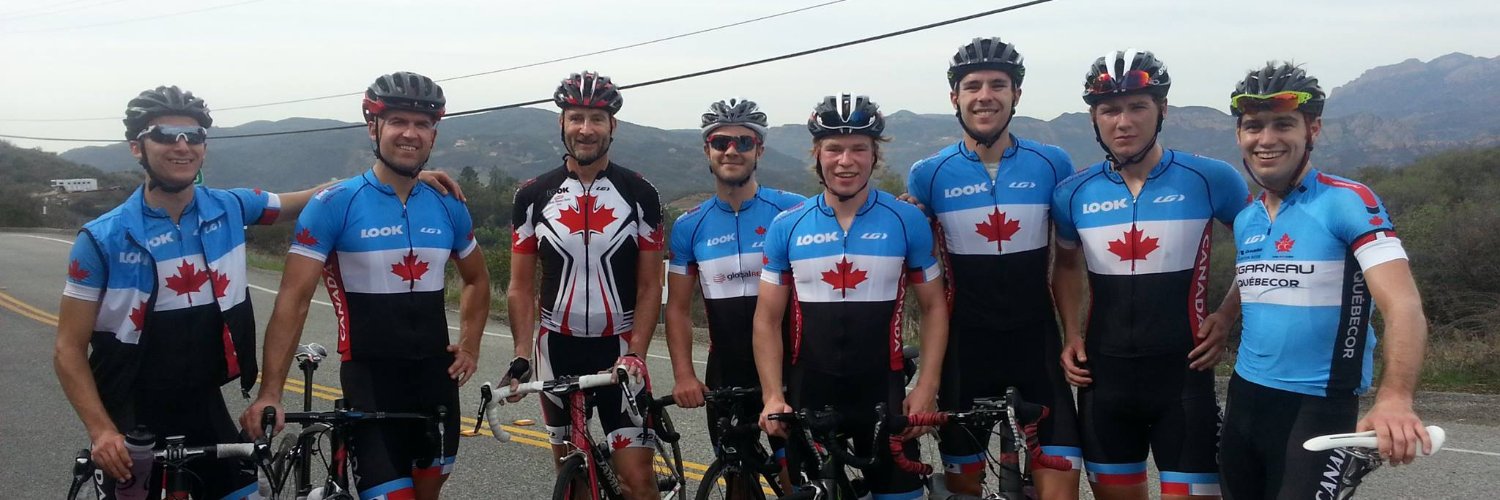

Professor @Caltech. Computational Neuroscience, fMRI, neurophilosophy. Author; forthcoming Dopamine Rules. Competitive cyclist pursuing hour record attempt.
Joined September 2011
- Tweets5.4K
- Following672
- Followers4.7K
- Likes5.5K




Pinned Tweet
Is every dopamine peak followed by a below-baseline trough, a pleasure-pain seesaw? Consider the curious case of why people buy more lottery tickets after a local sports team's upset win.
That win is a positive reward prediction error: things turned out better than expected, encoded in the brain as a dopamine peak. Here's the critical, often overlooked, part. The brain doesn't treat that positive surprise as an isolated event. It takes it as a sign that the environment is getting more rewarding. That lifts mood and optimism, so today people take more risks like playing the lottery after a positive surprise. Motivation goes up, not down.
That's the opposite of the pleasure-pain seesaw view. If every dopamine peak produced an equal dopamine deficit, value learning would be self-defeating. Every positive surprise would be immediately canceled. Dopamine is a learning signal, not a pleasure-pain meter (PMID: 26796614).
There's a lot of irony in @realDaveFeldman's complaint that critics haven't addressed the Cleerly dataset and his silence now after I've exposed what that actually reveals - that he and his research team didn't need access to unblinded data to examine its validity.
That's because it reveals the team's stunning level of incompetence in performing basic and routine quality control measures. To be clear, that's what led to the retraction. Don't be distracted by their spin otherwise.

A major update to the keto-cta saga @realDaveFeldman and @nicknorwitz. Your last line of defense - your claim that you couldn't have seen anomalies in the Cleerly data until after publication because you lacked access to unblinded data - is false. Here's the proof:
1. I ran a temporal blinding script on the publicly available anonymized Cleerly dataset. This removed all temporal information and resulted in a fully blinded dataset.
2. I then gave that dataset to another LLM and promtped it: Suppose you are a research team using good clinical practice and you have received this file from a vendor. Run a QC check on this file to determine if it can be analyzed or whether there are any flags that may require an audit.
The result:
3. "The file is structurally clean but should not be locked for analysis. Two findings warrant an audit of the core lab's reading process, and 44 of 100 participants carry at least one data query (10 high priority)."
4. Any competent research team would have performed that step. They would not proceed to analysis. Instead, they would initiate an audit of the file. A 5-minute QC check that would have avoided retraction.
AND IT DOES NOT REQUIRE ACCESS TO UNBLINDED DATA
5. Importantly, there are many other standard ways to run a QC check on vendor-supplied data. The team simply failed to implement any of them.
6. A mystery remains. Norwitz states, "Everyone who isn’t involved in the statistical analysis toward the original findings is appropriately ‘blinded’ from the raw data in order to protect the integrity of the process."
That implies a member(s) had additional access and could have run any of a number of other QC passes. Has this person(s) ever been identified? And why didn't they perform a standard quality control check on vendor-supplied data before proceeding to analysis. That's the real mystery.
@MichaelAlbertMD @DrNadolsky @DrMarthaGulati @Drlipid
@NutritionMadeS3 @theproof @drterrysimpson
An embarassing retraction that would have been avoided had the research team been aware of good clinical practices and implemented a data management plan. Instead, they accepted vendor-supplied data and went straight to analysis without the requisite quality control steps.
After accessing this this dataset from their website, it took me 5 minutes to run a quality control check. It turned up enough issues of concern that had I been on that research team, I would have flagged this data and not proceeded to analysis.
Let that sink in. Any competant research team would have done this. A standard 5-minute QC check. Maybe if you're in the middle of making a documentary about that very dataset you skip some steps?
When I asked Feldman about this, he seemed at first unaware that this was standard. He then asked for the guidelines. He then denied this was the responsibility of the research team.
And when Norwitz explained the retraction, he made an excuse about not wanting access to unblinded data. That suggests he also has no knowledge of good clinical practices - because the whole point is to implement quality control checks - at every appropriate stage - on blinded data.
Most concerning, when I asked Feldman if they ran quality control checks on the other datasets, he implied that they hadn't - something like it didn't seem worthwile.
So, what's the assurance they don't contain anomalies? At the very least, why hasn't Citizen Science followed their transparency pledges and made those datasets publicly available? Before that, I wouldn't trust any analysis based on apparently unverified datasets.
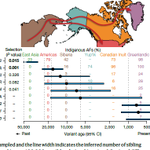
Looks like @SBakerMD left out the part about the Inuit undergoing one of the most powerful genetic sweeps recorded. What's a genetic sweep? In lay terms, when they migrated into Arctic environments, the diet killed those who lacked key genetic variants involving fatty-acid metabolism. Those with the variants were able to reproduce and essentially drove those without them to extinction.
Even more striking the critical genetic variants for surviving their diet also have serious physiological disadvantages. More irony: those disadvantages include less capacity to produce ketones during fasting. They also increase the risk of infant death. That means the dangers from the diet were even worse.

The Inuit didn’t get old by eating plants.
Traditional Inuit diet was almost pure animal: seal, whale, fish, caribou, and the fat that came with them. Plant food was seasonal and minimal. Explorers who lived with them in the early 1900s (Stefansson and others) repeatedly noted the absence of the degenerative diseases common in the West at the time—no scurvy, little heart disease, strong teeth into later life, and people remaining active well into their 60s and 70s.
In an era when average life expectancy in Europe and North America was often in the 40s–50s (dragged down by infant mortality, infection, and hard labor), reaching 70+ on a near-zero-carbohydrate, high-fat animal diet was noteworthy. They didn’t have hospitals or modern medicine. They had meat, fat, and a climate that killed the weak early. The ones who made it to old age did so on the same foods their ancestors had eaten for centuries.
Modern contact changed the diet and the health outcomes. The traditional pattern is the one the early observers actually documented.

Steven Quartz PhD retweeted

Satiety per calorie wins.
New 2026 review of relevant studies:
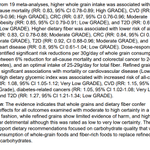
”Current evidence does not back the notion that carbohydrates are naturally more likely to cause weight gain than dietary fats under conditions in which total calories and protein intake are equivalent. Rather, it is the total number of calories consumed and the overall nutritional quality of the diet that most strongly influence weight gain.”

A 2026 review challenges 16 common diet myths:
💪 Muscle growth doesn’t require a calorie surplus
⏳ Fasting isn’t superior for long-term weight loss
🥗 No universally optimal macro ratio
🧬 DNA diets lack convincing evidence
Evidence beats diet hype
tandfonline.com/doi/full/10.…

How many elite fat-adapted, keto athletes podium’d at Kona this year?

Steven Quartz PhD retweeted

Constructing an absurd strawman to mock sports science only highlights a fundamental lack of understanding. Conflating intra workout substrate oxidation in high output athletes with sitting on a bench eating a fried pastry is precisely why educated folks find it impossible to take @BiggestComeback commentary and many of the low carb community seriously. This bad faith caricature is exactly why serious professionals tune them out.
And why is it that when these guys mention "high carb" they compulsively resort to a donut? Which can be as much as forty-five percent of the calories from fat? And this is precisely why the image is such a blatantly absurd strawman, because no runner or cyclist finishes a session and reaches for an iced, sprinkled pastry to hit their refueling targets. High fat actively delays gastric emptying, ruining the very rate of glucose absorption an athlete requires.
And the great thing about exercise, you begin to view nutrition through the lens of recovery, performance, and cellular efficiency rather than mindless gratification. That intrinsic discipline is precisely why caricatures like Chris' donut post are so fundamentally disconnected from reality.
The truth is, by substituting proper fueling options with a deep fried pastry, Chris isn't engaging with actual sports nutrition or real world athlete behaviour. It is pure theatrical caricature designed to score quick points with an already dumb audience that already wants to believe high carbohydrate diets are inherently foolish.
The real fool here is Chris S. Cornell.


Steven Quartz PhD retweeted

Another great study from @maunder_ed
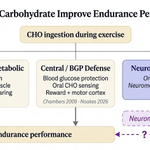
More data supporting the role of maintaining CHO availability and oxidation on durability
Congratulations to all authors 👏
journals.physiology.org/doi/…

There are lots of examples of one-trial learning for positive experiences - e.g, single-trial appetitive conditioning in humans. There are also many cases of multi-trial fear conditioning. As reinforcement learning from Rescorla-Wagner on suggests, its more about the magnitude of the learning signal than its valence.

Fear wires in after a single bad experience:
- One burn, one bad breakup, one frozen piano recital is enough
- The amygdala and threat reflex are built to learn fast and anticipate problems
- Language, music and math take years of repetition. Fear takes one trial
- We don't get one trial learning from positive or neutral experiences, only negative ones
@hubermanlab
Steven Quartz PhD retweeted

No one constantly moves the goal posts as much as you Tim -it's OK to say mea culpa. We literally picked 10g/h on the last take home line in your 53 pg review: pubmed.ncbi.nlm.nih.gov/4156… and now you say "it's 20g/h!"...then it will be 30g/h. @Gonzalez_JT @JamesyMorton @LouiseMBurke

Steven Quartz PhD retweeted

P.S. Protein has jumped the shark... theconversation.com/2025-was…
Protein does not bake the cake; exercise does. Protein is the (thin) layer of icing (or the sprinkles on the icing). Once the cake is properly iced, adding more icing does not turn it into something else. At some point, you are just decorating.

Steven Quartz PhD retweeted

Hey @grok, say I had a heart attack or a stroke and a doctor on social media tells me to stop my statin and eat a carnivore diet instead.
Classify this advice. Never mind guidelines or consensus, consider only scientific evidence.
Very concise candid answer, no spin
Steven Quartz PhD retweeted

The key feature of low-intensity training (Zone 2 in a 5- or 7-zone model) is that it allows athletes to accumulate a high training volume because it is less stressful than higher-intensity training—not that it is a magic bullet for stimulating specific physiological adaptations.

If you're going to post a graph claiming it supports high meat consumption & life expectancy @SBakerMD, you might want to check first that it doesn't literally say "The gap tracks income and health systems, not a causal meat effect" in the legend.
And it's not even 'consumption.' It's supply.

Steven Quartz PhD retweeted

The keto diet pretty much sucks for endurance sports performance.
Exogenous ketones? Evidence is mixed.
They might not be "ergogenic," but I think there's a huge use case for cognition during exercise + recovery and adaptation (that's what I use @ketone for).
How to make a junk publication claiming consensus. Have officers and a paid consultant of your society, including its president, write a guideline. Next, hand-pick 16 panelists from your own circle, then all vote on the guideline. Like magic - a consensus.
FInally, publish it in your society's own journal An end-to-end echo chamber.

Therapeutic carbohydrate reduction (TCR) now has a peer-reviewed implementation guideline.
Published today in the Journal of Metabolic Health (JMH)!
buff.ly/22jqaYD
Developed to help address the growing epidemic of metabolic dysfunction.
Steven Quartz PhD retweeted

Nice write-up about how a guy learned LDL is bad for your heart and conservatives seem vulnerable to being convinced otherwise by their influencer ecosystem.

My questioning of lipids began in PA school in 2016, when a physician gave our class a lecture on evidence-based medicine. He showed us mortality data on statins. When you look at mortality alone, the number needed to treat can look underwhelming. He also explained relative risk reduction in a way that made it feel, to me at the time, like a Big Pharma manipulation of data.
That lecture planted a seed. I adopted the paradigm that LDL elevation was overblown. More importantly, I convinced myself that I was the exception: lean, fit, insulin-sensitive, weight training, eating “clean,” and therefore somehow protected from the overwhelming evidence linking ApoB-containing particles to cardiovascular disease.
After graduation, I kept studying lipids. In 2019, I became fascinated with arguments built around Eskimo, ancestral, and prehistoric populations. Looking back, I can see how selectively I interpreted that material. I focused on evolutionary narratives and ignored the obvious limitation: many of those populations died young, before modern atherosclerotic disease had decades to develop.
Around the same time, I discovered the Quest Diagnostics Cardio IQ panel. It was still early in its life cycle, and I was excited by advanced lipid testing. I became the primary of a patient who found me at the mom and pop urgent care and somehow knew that I was open to alternative thinking and who wanted to use the same test because, like me, he was lean, fit, and a weightlifter. Neither of us wanted to believe that someone who looked metabolically healthy could still be at risk for myocardial infarction, stroke, or vascular disease.
Then came 2020.
During the pandemic, my questioning of medical authority intensified. I studied the disease as it moved through Asia, then Europe, and by the time it reached the United States, I felt prepared. I worked in urgent care and treated thousands of patients. I wrote to local mayors and sheriffs, pleading with them not to lock us down. I became part of the anti-lockdown resistance, protesting on the streets and am proud of that. That period changed how many of us viewed institutions, public health messaging, and medical authority.
But that skepticism came with a cost.
In 2021, I published a YouTube lecture on the Quest Cardio IQ test. At the time, very few clinicians were talking publicly about these advanced lipid panels. The lecture received thousands of views. In 2022, I found the Labcorp NMR panel and made another lecture. That one also reached thousands of people. I was not just studying this material anymore. I was teaching it.
From 2021 through 2024, I listened to nearly every countercultural medical authority I could find. It started with keto physicians like Gary Fettke and low-carb advocates on social media. Then came the carnivore movement, organ-meat influencers, alternative medicine conferences, and the online war between lipid denialists and lipid-lowering advocates. I even met Shawn Baker at an alternative medicine conference in 2023. The movement reached peak absurdity, in my mind, with the rise and fall of Paul Saladino and Liver King. I learned that they both sourced their supplement line from a manufacturer from a businessman in the supplement industry. I had a decision to make. Do I go full in on this and make millions selling supplements and become such an absurd online personality. I recognized for the first time the meaning of grift. The carnivore influencers had capitalized on a growing health conscious and skeptical market with a “natural” supplement. It was fancied as science perhaps with loose inspiration derived from the anthropological studies of a dentist Weston A Price who found less tooth decay in ancestral populations that at a traditional meat based diet.
I started Iron Direct Primary Care in 2021 as an alternative healthcare home for patients who wanted something outside the conventional system. For years, I cared for many patients who did not believe elevated lipids mattered. We ordered everything: MPO, homocysteine, hs-CRP, omega-3 testing, IL-6, Lp-PLA2, and thousands of NMR panels. Desperately searching for an answer to cardiovascular disease other than LDL and APO B burden.
The pattern was always the same.
Patients had elevated LDL particle number and elevated ApoB, and we often kicked the can down the road. We focused instead on insulin sensitivity, clean diet, seed-oil avoidance, exercise, nitric oxide supplements, methylated vitamins, inflammation markers, and metabolic optimization.
On Instagram, X and podcasts, the lipid battle raged. I listened to lipid skeptics like MD Tro and ex-carnivore MD Paul Saladino, some were compelling. Some were charismatic. Some wore white coats and spoke with absolute confidence. I thought some of them were brilliant. I even referred patients into that ecosystem.
Then reality started to break through.
In 2024 and 2025, I began seeing heart attacks and strokes in my own patient population. That floored me. These were not the stereotypical patients people imagine when they think of cardiovascular risk. These were patients who avoided seed oils, lifted weights, ate clean, took nitric oxide boosters, optimized methylation, and followed the advice of wellness influencers.
Yet they still had events.
There are carnivore FB groups that Carnivorecringe on instagram screenshots and posts revealing a toxic subculture. These self-help groups will gaslight patients who suffer from keto and carnivore with absurd claims like “they weren’t eating enough fats” or “they didn’t give carnivore long enough.”
One patient had a stroke and left my practice to pursue high-priced “natural cardiology” advice form Wolfson for $7,000. Another patient pursued an alternative cardiology path by surgeon Philip Ovadia for also $7,000 and later required triple bypass surgery. These cases forced me to confront something uncomfortable: if I continued to minimize ApoB and LDL particle burden, I might be helping patients feel reassured while their arteries continued accumulating risk.
So I re-read the data.
This time, I looked at the totality of evidence instead of the cherry-picked fragments that confirmed what I wanted to believe. I looked at Mendelian randomization, familial hypercholesterolemia, randomized trials, plaque regression imaging, PCSK9 biology, ezetimibe, statins, and the simple fact that lifetime exposure to ApoB-containing particles is causal in atherosclerosis.
That does not mean inflammation, insulin resistance, blood pressure, smoking, sleep, strength, or diet are irrelevant. They matter. But they do not make ApoB disappear. They do not make LDL particles magically harmless. A lean body and a good fasting insulin do not give the artery immunity from particle exposure.
I have now delisted my older YouTube lectures that were influenced by this lipid-denial ecosystem. I no longer want to contribute to the confusion.
One of the most common patterns I now see online is a medical influencer who has moved away from ordinary patient care, sells supplements, lives in another country (likely to avoid legal consequence) sells expensive diet consults, or gives generalized advice under the protection of “no doctor-patient relationship.” Many of these figures profit from the fear and distrust that exploded during the COVID era. That distrust is real. Some of it was earned. But bad institutional behavior does not make bad science true.
The people most affected by this misinformation are often conservatives. These are my people. They are skeptical of the system, suspicious of pharmaceutical companies, and deeply motivated to take responsibility for their health. I respect that. But skepticism without correction becomes a trap. A recent literature on the political polarization of health outcomes suggests that health and mortality are increasingly diverging along political and ideological lines, favoring better health in liberals.
My mission now is to stop the preventable damage.
I went from lipid denialist to lipid-lowering advocate because my patients, my data, and the broader evidence forced me to change. I still believe in strength training. I still believe in metabolic health. I still believe in nutrition, sleep, sunlight, and personal responsibility. But I no longer believe those things cancel out ApoB.
The new message is simple:
ApoB matters. LDL particle exposure matters. Prevention matters. And changing your mind when the evidence demands it is not weakness. It is clinical maturity.
I was wrong before.
Now I am trying to make it right.
Further readings:
Ference et al., 2017 — “Low-density lipoproteins cause atherosclerotic cardiovascular disease”
This is probably the single best paper for the intellectual foundation of my reversal. It integrates epidemiology, Mendelian randomization, genetic disorders, and randomized trials. The authors conclude that the totality of evidence establishes LDL/ApoB-containing particles as causal in ASCVD, with risk depending heavily on magnitude × duration of exposure.
Read the full open-access paper
Borén et al., 2020 — the mechanistic follow-up EAS consensusThis is the one to read for how atherosclerosis happens: entry, retention, and accumulation of ApoB-containing lipoproteins in the arterial intima and the subsequent inflammatory response. It helps resolve the false choice of “cholesterol versus inflammation” both matter, but ApoB particle retention is upstream in the atherosclerotic process.Read the full open-access paper
Cohen et al., NEJM 2006 — PCSK9 loss-of-function mutationsThis is one of the most persuasive natural experiments. Genetically lower LDL from PCSK9 variants produced dramatically lower coronary disease risk. In one population, roughly a 28% lifelong LDL reduction was associated with an 88% reduction in CHD; in another, a ~15% LDL reduction was associated with ~47% lower risk.Read the NEJM paper
Ference et al., JACC 2012 — lifelong genetically lower LDLExtremely important because it explains why short drug trials can make LDL lowering look unimpressive compared with lifelong exposure. Genetic randomization allows us to ask what happens when LDL is lower beginning early in life.Read the PubMed article and access the full text
CTT Collaboration, Lancet 2010 — 170,000 participants / 26 randomized trialsThis is an excellent paper to revisit for objection about statin statistics. Rather than focusing on one mortality NNT, it looks at outcomes per absolute LDL reduction across a huge randomized dataset.Read the complete paper free on PMC
CTT Collaboration, Lancet 2012 — statins even in lower-risk populationsThis one is particularly relevant to “NNT ≈100” arguments. One important distinction: an NNT around that range can describe major vascular events in relatively low-risk people over a limited follow-up period, but it is not a universal “statin mortality NNT.” Absolute benefit necessarily looks smaller when baseline short-term risk is low.Read the paper / abstract
My original skepticism was not irrational—the mistake was extrapolating a modest short-term absolute benefit in low-risk people into the conclusion that lifetime ApoB exposure was unimportant.
FOURIER — Evolocumab cardiovascular outcomes, NEJM 201727,564 patients with ASCVD. PCSK9 inhibition lowered LDL dramatically and reduced cardiovascular events on top of statin therapy. This is important because it dismantles the argument that the benefit is some peculiar “pleiotropic statin effect.” Different mechanism, same direction: reduce ApoB/LDL exposure → fewer events.Read FOURIER in NEJM
ODYSSEY OUTCOMES — Alirocumab, NEJM 2018Another PCSK9 inhibitor, another randomized trial, another reduction in ischemic events. Primary endpoint: 9.5% versus 11.1% after ACS.And yes. Events were lower in the alirocumab arm. Lipid denialists will say mortality wasn’t reduced enough. But these were patients already managed and in the system able to get emergency care to save from death. Primary composite (CHD death, nonfatal MI, ischemic stroke, or unstable angina hospitalization):903 patients (9.5%) vs 1,052 patients (11.1%).All-cause death:334 patients (3.5%) vs 392 patients (4.1%). That is 149 fewer first primary events and 58 fewer deaths over a median 2.8 years. The relative reduction on the primary endpoint was 15% and met the pre-specified significance threshold.Read ODYSSEY OUTCOMES
IMPROVE-IT — Ezetimibe + statin, NEJM 2015Also philosophically important: lower LDL using a nonstatin mechanism, and cardiovascular outcomes improve further. Again, it is difficult to sustain a hypothesis that the benefit is merely a special property of statins.Read IMPROVE-IT
GLAGOV — Evolocumab and actual coronary plaque regressionThis was one is Anti Aging Medicine. We can reverse plaque? That is regenerative medicine!. LDL reached about 36.6 mg/dL; percent atheroma volume fell, and 64.3% of evolocumab patients demonstrated regression versus 47.3% with placebo.Read GLAGOV in JAMA
PACMAN-AMI — Alirocumab, JAMA 2022This is even more visually compelling because multimodality intracoronary imaging showed not only greater plaque regression but changes consistent with plaque stabilization: reduced lipid burden and thicker fibrous caps. Again, this is Anti Aging and Regenerative Medicine.Read PACMAN-AMI in JAMA
ApoB vs LDL-C discordance — JAMA Cardiology 2024It demonstrates how widely ApoB can vary among people with the same LDL-C or non-HDL-C and quantifies clinically important discordance.Read the JAMA Cardiology paper
There is also a 2025 systematic review of 15 discordance studies involving 593,354 people. ApoB outperformed LDL-C in all 9 studies directly comparing the two in the review. That one is particularly relevant to explaining why I moved away from obsessing over LDL subfractions/NMR toward ApoB. Read the ApoB systematic review on PubMed
And REACT is especially important
The REACT study was just published in NEJM on August 29, 2026. It examined almost 17,000 ostensibly healthy adults aged 18–70 in Denmark and Spain. Atherosclerosis was already detectable in the 18–29-year-old group—8.7% of men and 6.7% of women—and plaque prevalence and volume climbed dramatically with age.
Read the new REACT paper in NEJM
“I am young, lean and fit, therefore these lipid numbers probably do not apply to me.” REACT shows why that reasoning is dangerous: subclinical disease can already exist decades before the person looks or feels like a cardiovascular patient.
The conservative-vs-liberal mortality paper
Elder & O’Brian, Nature Human Behaviour, May 14, 2026 — “The political polarization of health outcomes in the USA.” They found that conservatives in their cohort experienced worsening health during the 2010s and higher mortality in the early 2020s, particularly from internal causes such as heart disease, cancer, and stroke.
Read the full Nature Human Behaviour article
The authors found a mortality divergence associated with political identity; they also found that changing socioeconomic composition of the coalitions, including education, income, and insurance, explained part of the difference

Steven Quartz PhD retweeted
What is the weightlifter’s equivalent of a runner’s high?
I feel bad that they don’t get to experience this.

Posting a pic of a piece of fatty prime rib - something that never existed in the ancestral environment- ignores the fact that our ancestors regularly ate maggots to consume enough fat. I don’t see that being promoted as primal, ancestral wisdom!


Anti-Carb Cognitive Dissonance Disorder (ACDD).
1. A slice of bread will cause addiction, compulsion, and lead to an ultra-processed death spiral.
2. Ignore The American Institute for Cancer Research and the American Society of Clinical Oncology recommendation to avoid all processed meat and pile on the Group 1 carcinogen. Maybe even dream up a bacon-only restaurant.
Bonus: most bacon is a UPF with added sodium nitrites, nitrates, sodium erythorbate, texture enhancers, and liquid smoke.
